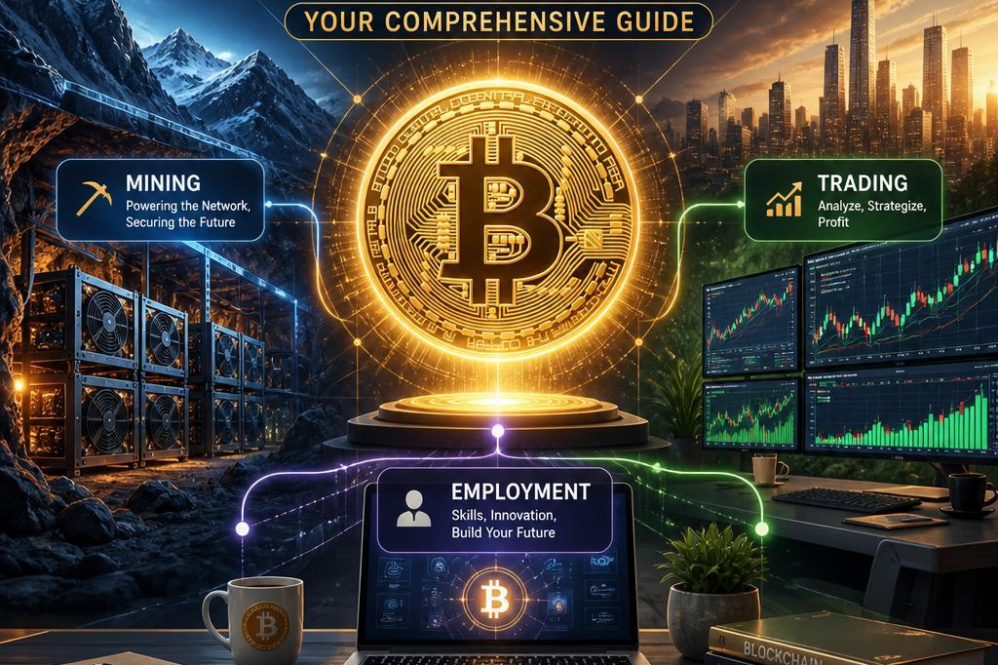
Understanding bitcoin Mining Costs and Rewards
bitcoin mining is a complex process that requires miners to carefully balance the cost of electricity against the potential earnings from newly mined bitcoins and transaction fees. These earnings fluctuate based on the difficulty of the mining process, making it essential for miners to stay informed and adjust their strategies accordingly.
there are two main categories to consider: small-scale hobby mining and large-scale commercial mining. Hobby mining is often more about learning and experimentation, with a modest setup cost ranging from $500 to $2,000 and monthly energy costs around $50 to $100. Commercial mining, on the other hand, involves a significant upfront investment in high-end ASIC devices and can cost anywhere from tens of thousands to millions of dollars, with monthly energy costs running into the thousands. Despite the higher costs, commercial mining can offer higher rewards but requires meticulous planning and a solid understanding of the market.
| Category | Hobby Mining | Commercial Mining |
|---|---|---|
| Initial Investment | $500 – $2,000 | $10,000 – $1,000,000+ |
| Monthly Energy Cost | $50 – $100 | $500 - $10,000+ |
| Estimated Time to Return on Investment | 6 – 12 months+ | 12 – 24 months+ |
Navigating bitcoin Employment Opportunities
The world of bitcoin employment is diverse and offers various opportunities for different skill sets and lifestyles. Whether you’re a software developer, marketeror just someone interested in cryptocurrency, there are roles available that match your expertise and interests.
Full-time positions at established bitcoin firms and startups provide steady income and growth opportunities. Freelance work, conversely, offers adaptability to take on contracts based on your expertise. Remote work has become increasingly popular, allowing professionals to work from anywhere in the world. Platforms like Upwork, Freelancerand bitcoin-specific job boards like Blockchain Jobs offer a range of remote positions, from cryptocurrency trading analyst to blockchain developer roles. Remote employment lets individuals choose their own hours, making it easier to balance other commitments or pursue side projects.
When considering employment opportunities in bitcoin, it’s crucial to assess your capabilities and the demands of the role. As an example, a blockchain developer might need extensive knowledge of smart contracts and coding languages like Solidity, while a content creator for a bitcoin blog could focus more on SEO and writing skills. Understanding the requirements can help you prepare your application or identify areas for enhancement.
| Position Type | Commitment | Flexibility |
|---|---|---|
| Full-time | Fixed schedule, company loyalty | Low |
| Freelance | Negotiable contract duration | High |
| Remote | Flexible hours, remote location | High |
Strategies for bitcoin Trading
bitcoin trading can be rewarding but requires careful planning and risk management. Accomplished trading starts with meticulous market analysis, tracking trends, staying informed about global eventsand understanding the economic factors that drive bitcoin. Analyzing historical data and technical indicators like moving averages and relative strength indices (RSIs) can provide valuable insights into future price movements and help traders make informed decisions.
Risk management is crucial in trading. Setting clear stop-loss orders to limit potential losses when trades don’t go as planned is essential. Diversification is key too; spreading your investments across different cryptocurrencies or even customary assets can reduce risk and increase stability. It’s also wise to keep trading capital separate from personal funds to avoid financial strain in case of losses.A well-structured investment portfolio with a mix of high-risk and low-risk assets can help mitigate volatility and enhance overall returns.
Growth opportunities in bitcoin trading are abundant but come with challenges.One effective strategy is to explore leveraged trading, which allows you to increase your potential gains by borrowing funds from a broker. This can greatly amplify returns but also increases the risk of significant losses. Another approach is to look into staking, which involves holding a certain amount of cryptocurrency to participate in the network’s operations and earn rewards. This method offers a passive income stream with lower risk compared to active trading, making it a more enduring option for long-term growth.
| Trading | Staking | |
|---|---|---|
| Return Potential | High; potential for rapid gains | Lower; more consistent but slower |
| Risk Level | High; more susceptible to market volatility | Lower; steady with less risk |
| Activity Level | High; requires constant monitoring and decision-making | Passive; minimal involvement needed |
| Education Required | Extensive; understanding of technical analysis and market movements | Moderate; understanding of cryptocurrency networks and principles |