“Every crypto exchange in Iran [has been] filtered since May.”
That’s how one Iranian bitcoin advocate, speaking on condition of anonymity, described a new wave of government censorship that has cut Iranians off from vital links to the crypto economy ahead of a scheduled renewal of in and November.
Several Iranians exclusively told CoinDesk they are having trouble like , Blockchain and LocalBitcoins, even with virtual private networks (VPNs) and other workarounds that were already commonplace because of international sanctions.
It’s a scenario that highlights the complexities of censorship resistance – a country whose people are most in need of an economic lifeline are now ostracized from empowering services.
“Many people are using it [bitcoin] as a hedge instrument because buying BTC is easier than going into the black market to buy yourself US dollars,” said the Iranian source, a cryptocurrency veteran with deep ties across Tehran’s startup scene.
No speculative investment, the source is referencing how Iranian’s currency reached an annual of 127 percent on July 2. (For some Iranians, appears trivial in the face of rampant inflation and political uncertainty.)
“[President Rohani] doesn’t want Iranians to transfer foreign currency, especially dollars, outside the country,” said Ahmad Khalid Majidyar, director of IranObserved Project at the Middle East Institute, a think tank in Washington D.C. that offers non-partisan political analysis.
Majidyar told CoinDesk:
“If [diplomacy] falters, it would mean there are more restrictions, and definitely cryptocurrency would be impacted as well.”
Most experts agree that the current economic crisis, one tied to international relations, has spurred Iranian authorities to seek on cryptocurrency. (A of 200 domestic crypto users revealed a majority used the tech for cross-border payments.)
In light of the political situation, the censorship has been a long time coming.
In , Iran’s anti-money laundering body forbid financial institutions from working with cryptocurrencies like bitcoin. This policy the Central Bank of Iran cannot take “any action to promote” decentralized currencies.
Then in May, the Iranian reported Mohammad Reza Pourebrahimi, head of the parliament’s economic committee, warned crypto traders could harm the Iranian economy if they continued to spend billions through international marketplaces.
Signs of censorship
Now, firsthand accounts from Tehran imply a quiet push toward stricter censorship is currently underway. (To date, the Rohani administration hasn’t issued any official statements condemning individual cryptocurrency users.)
According to a second anonymous source in Iran, however, it appears as though government censors are now examining network traffic via a process called ““– a tactic Iranian authorities – to restrict VPN access to crypto platforms.
He said as of this week LocalBitcoins is no longer accessible, and that imported cryptocurrency mining equipment is also banned. Adding credibility to the assertions the government is behind the move, is the fact that cryptocurrency services providers say they aren’t blocking local users.
An reported Binance told one concerned user of the exchange platform that it has no plans to restrict regional services.
A Binance spokeswoman told CoinDesk, “the responsibility rests on the user” to use Binance lawfully, including both international sanctions and local restrictions. She declined to comment on Iran specifically.
The second anonymous source said buying and selling cryptocurrency with Iranian rials is forbidden, although people still trade with each other in person.
When asked to describe the sentiment among cryptocurrency users in Iran, he simply answered: “Uncertainty.”
Crypto-nationalism
All in all, these actions represent a stark reversal for a country that had appeared on the verge of a blockchain boom. (That same also showed the majority of Iranian respondents believed the government would actively advance cryptocurrency.)
Even as recently as , blockchain startups were working closely with regulators to consider a legal framework for cryptocurrencies.
Further, that same month the Information and Communications Technology Minister, MJ Azari Jahromi, for a national cryptocurrency. Majidyar said Rohani is still moving forward with this high-tech plan for a “separate financial system.”
Still, others think Rohani, Jahromi and other Iranian moderates may be mirroring the “blockchain not bitcoin” sentiment popular among traditional institutions abroad.
“Of course, it would be subject to the same sanctions,” the Middle East Institute’s Majidyar said. “But they just want to control prices even more.”
Since most international banks already shun Iranians, Majidyar expects this censorship of decentralized cryptocurrencies will worsen if diplomacy falters.
Yet bitcoin enthusiasts on the ground reported feeling anxious, not hopeless. Some continue trading crypto between acquaintances in exchange for local cash.
The first anonymous source told CoinDesk:
“They always find the way.”
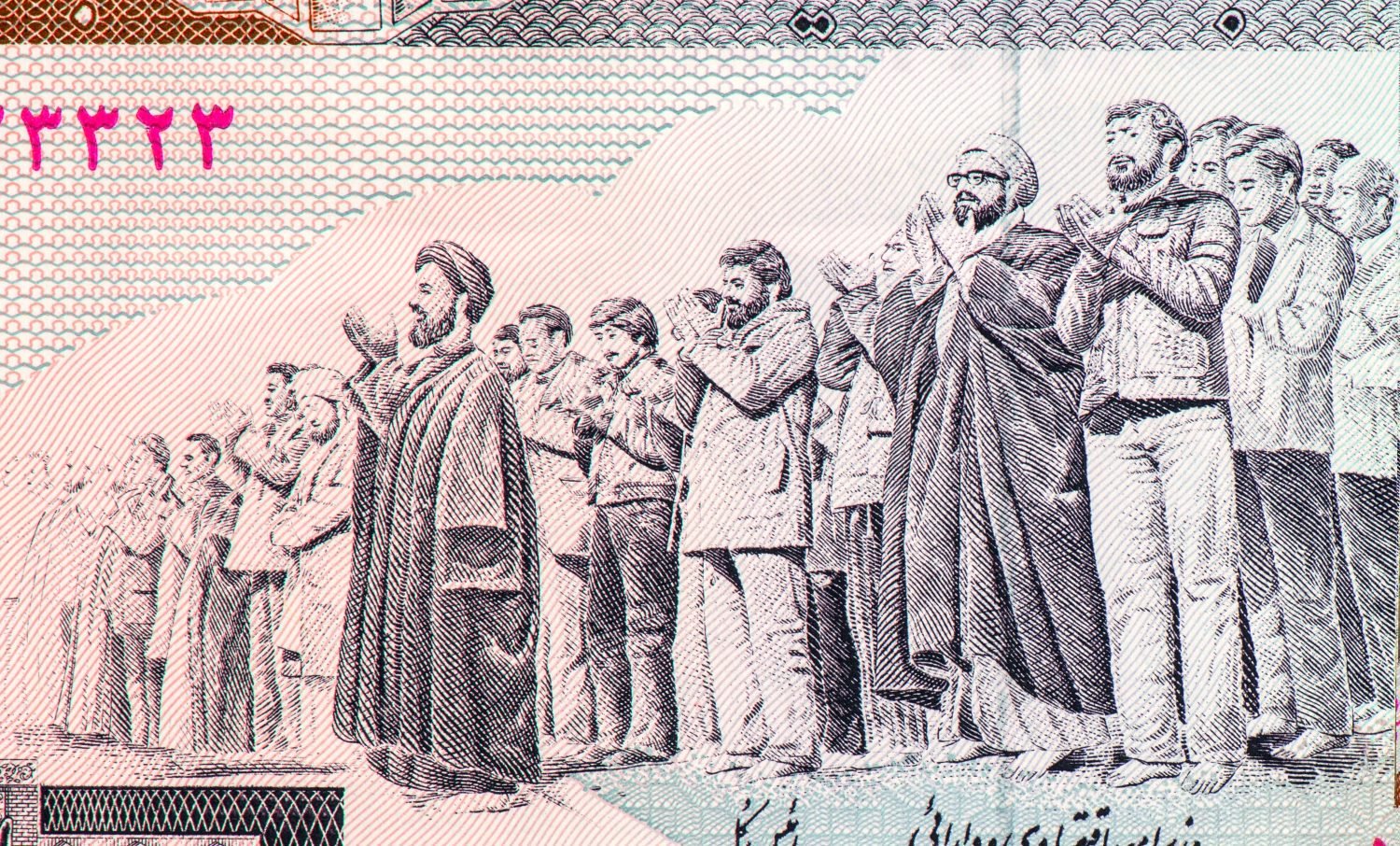
Iranian rial image via
The leader in blockchain news, CoinDesk is a media outlet that strives for the highest journalistic standards and abides by a . CoinDesk is an independent operating subsidiary of Digital Currency Group, which invests in cryptocurrencies and blockchain startups.
Published at Wed, 04 Jul 2018 04:02:51 +0000
Features