August 2, 2026

Capitalizations Index – B ∞/21M

Coinbase Tells 13,000 Users It's Sending Their Data to the IRS

Coinbase tells 13,000 users it's sending their data to the irs

Coinbase Tells 13,000 Users It's Sending Their Data to the IRS

Coinbase tells 13,000 users it's sending their data to the irs

Cryptocurrency startup Coinbase will provide data on some of its customers to U.S. tax authorities in the coming weeks, the company said Friday.

In an email sent to around 13,000 customers, Coinbase confirmed on Feb. 23 that it will share “only certain limited categories of information” with the Internal Revenue Service (IRS), though it did not disclose the exact details of the information to be sent. Coinbase said in the notice that it plans to provide the required data to the IRS within the next 21 days.

The startup advises:

“If you have concerns about this, we encourage you to seek legal advice from an attorney promptly.”

The move comes as a result of a lengthy legal battle between the IRS and Coinbase, which began in 2016 when the tax agency initially sought data on 500,000 Coinbase users.

As reported by CoinDesk, an order from the United States District Court for the Northern District of California in November stipulated that Coinbase must hand over information of more than 13,000 users that had seen over $20,000 trading volume from 2013 to 2015. In the email message, Coinbase claims the reduced number of users affected as a “partial, but still significant, victory.”

According to social media posts, some notable figures in the cryptocurrency industry such as the bitcoin advocate and author Andreas Antonopoulos are included in the data order.

Disclosure: CoinDesk is a subsidiary of Digital Currency Group, which has an ownership stake in Coinbase.

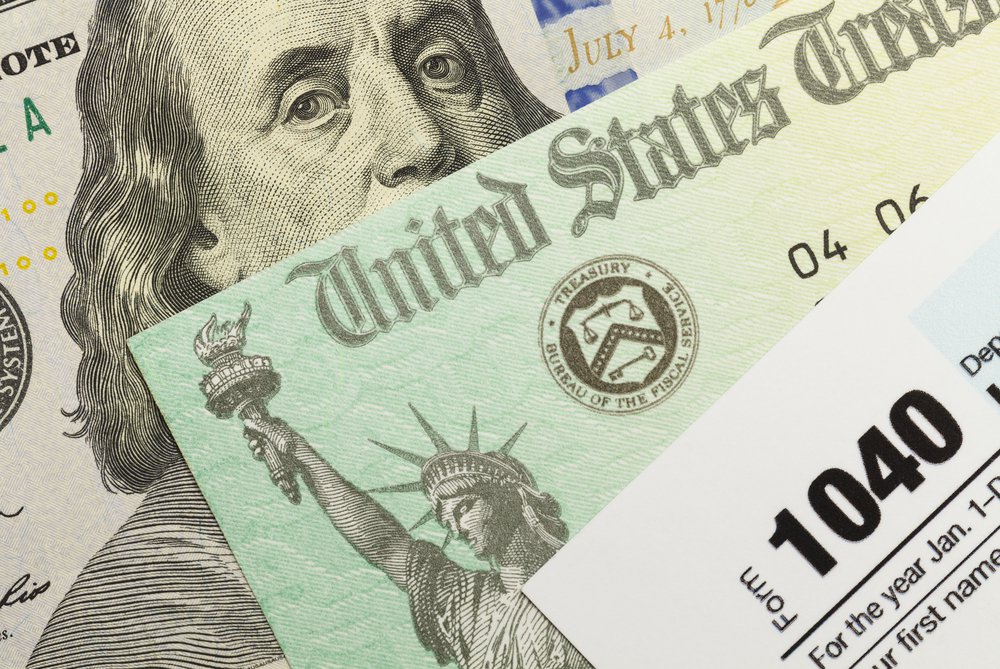
U.S. tax form image via Shutterstock

The leader in blockchain news, CoinDesk is an independent media outlet that strives for the highest journalistic standards and abides by a strict set of editorial policies. Have breaking news or a story tip to send to our journalists? Contact us at news@coindesk.com.

Disclaimer: This article should not be taken as, and is not intended to provide, investment advice. Please conduct your own thorough research before investing in any cryptocurrency.

Published at Mon, 26 Feb 2018 16:05:04 +0000

Exchanges[wpr5_ebay kw=”bitcoin” num=”1″ ebcat=”” cid=”5338043562″ lang=”en-US” country=”0″ sort=”bestmatch”]


Previous Article

Goldman Sachs Latest Bank to Label Crypto A Business Risk

Next Article

Coinbase Tells 13,000 Users It's Sending Their Data to the IRS

You might be interested in …

What is the future of cryptokitties? – nonfungible –

What is the future of Cryptokitties? – NonFungible –

What is the future of Cryptokitties? – NonFungible – Context Their cuteness’ success from late 2017 – early 2018 caught everyone off-guard because of the collector prices. Everyone wanted their CryptoKitty, everyone wanted their little […]

Imf de-cashing: soft-selling financial enslavement – rory hall

IMF De-Cashing: Soft-Selling Financial Enslavement – Rory Hall

sprottmoney.com / By Rory Hall / April 7, 2017

The IMF (International Monetary Fund) or as I like to call them – International Mafia Federation – is showing its true colors and proving beyond question this organization is nothing more than street-corner-thugs in high priced suits.

With the release of this latest working paper on how to enslave nations, steal the remaining sovereignty of the people and the nations they have drawn up plans to force a cashless society upon all the people within IMF member nations.

The International Monetary Fund (IMF) in Washington has published a Working Paper on “de-cashing”. It gives advice to governments who want to abolish cash against the will of their citizenry. Move slowly, start with harmless seeming measures, is part of that advice.

In “The Macroeconomics of De-Cashing”, IMF-Analyst Alexei Kireyev recommends in his conclusions:
Although some countries most likely will de-cash in a few years, going completely cashless should be phased in steps. The de-cashing process could build on the initial and largely uncontested steps, such as the phasing out of large denomination bills, the placement of ceilings on cash transactions, and the reporting of cash moves across the borders. Further steps could include creating economic incentives to reduce the use of cash in transactions, simplifying the opening and use of transferrable deposits, and further computerizing the financial system.

READ MORE

The post IMF De-Cashing: Soft-Selling Financial Enslavement – Rory Hall appeared first on Silver For The People.