March 16, 2026

Capitalizations Index – B ∞/21M

Coinbase Is Rebranding Its Crypto Exchange Service

Coinbase is rebranding its crypto exchange service

Coinbase Is Rebranding Its Crypto Exchange Service

Coinbase is rebranding its crypto exchange service

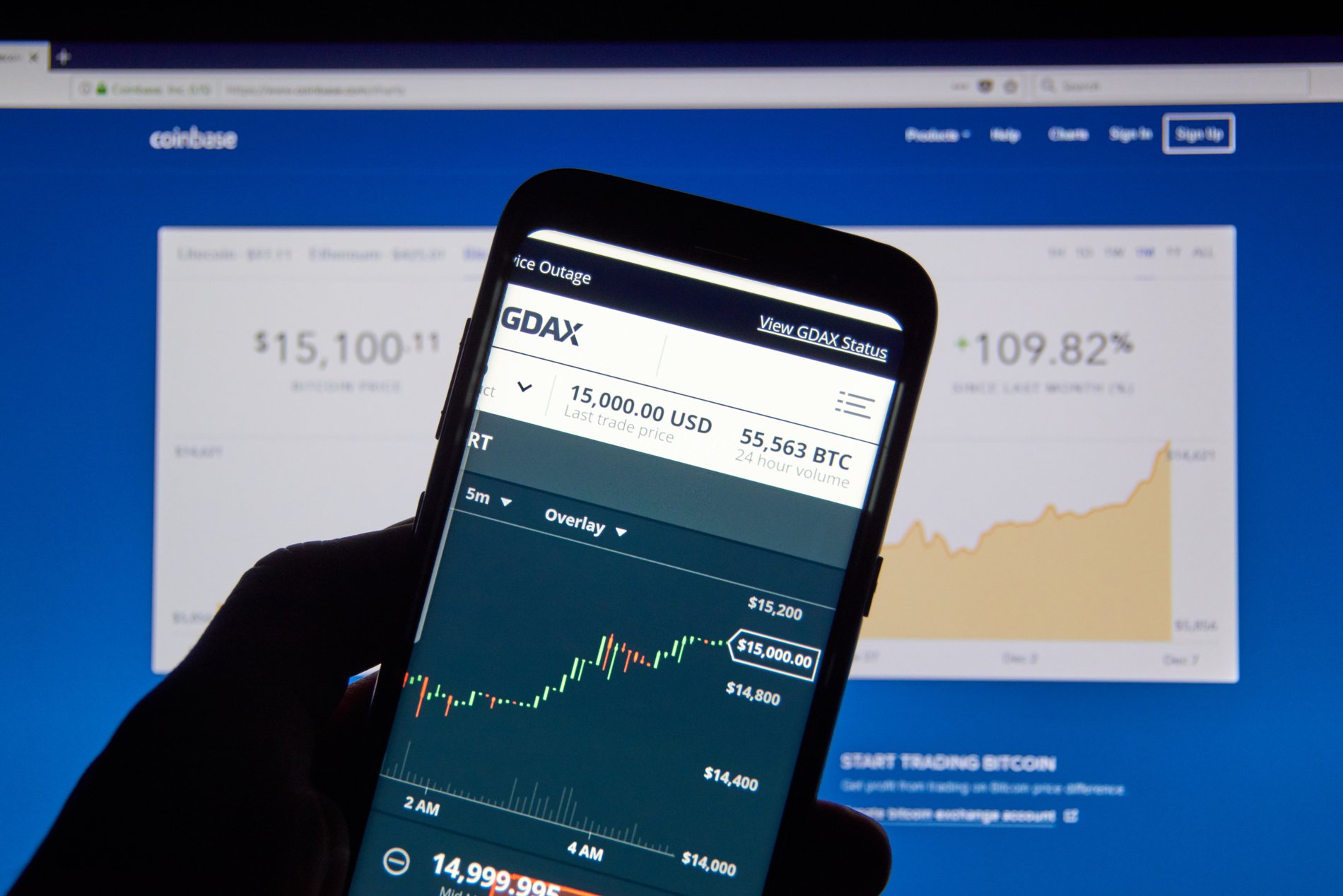
Coinbase announced Wednesday that it is launching a new version of its GDAX platform called Coinbase Pro and acquiring crypto trading relay platform Paradex.

The new platform seeks to “make the trading experience easier and more intuitive,” according to the startup. Other features include a new chart system which provides streamlined access to historical data and a consolidated portfolio view. While GDAX will continue to operate under its current systems through June 29, Coinbase Pro is already accessible.

Beyond simply trading assets, Coinbase Pro aims to provide a host of new features for investors, according to the release, which reads:

“Our vision is to give customers the ability to participate in services like staking and protocol voting that are distinct to crypto. As the decentralized ecosystem advances, we expect there will be many more opportunities for customers to interact with digital assets in new and unique ways.”

As part of this effort to let customers use digital assets, Coinbase Pro will integrate Paradex support over the next few weeks, which will enable users to “trade hundreds of tokens directly from their wallets,” according to the release.

Paradex enables investors to trade ERC-20 tokens directly from their digital token wallets, by acting as a relay for transfers. Hardware wallets – notably the Ledger wallet – are supported as well.

In order to transfer ethereum tokens, the system requires users to turn them into “wrapped ether,” which is described as “a tradeable version of regular ether.” Users can also transfer other tokens after connecting the Paradex app to their wallet, according to the site.

While Paradex allows users to trade ERC-20 coins held in their wallets, it remains unclear if Coinbase will add direct purchase or trading support for such tokens. In March, the company announced it was adding support for the ERC-20 technical standard, but did not announce any specific products at the time.

Coinbase/GDAX image via dennizn / Shutterstock

The leader in blockchain news, CoinDesk is a media outlet that strives for the highest journalistic standards and abides by a strict set of editorial policies. CoinDesk is an independent operating subsidiary of Digital Currency Group, which invests in cryptocurrencies and blockchain startups.

Published at Wed, 23 May 2018 20:26:02 +0000

Exchanges

Previous Article

Here’s What Happened At Graceland’s Ethereum Conference

Next Article

Wolf’s Lair Tattoo – Coin Screw

You might be interested in …

Bitcoin_1000

bitcoin_1000

bitcoin_1000By portalgda on 2015-11-19 04:15:26[wpr5_ebay kw=”bitcoin” num=”1″ ebcat=”” cid=”5338043562″ lang=”en-US” country=”0″ sort=”bestmatch”]

Ether Price Analysis: Double Bottom Fake-out Leaves Bulls Trapped

Ether Price Analysis

After what seemed like a reversal from the strong bear market for the entire crypto-market, many bullish investors found themselves initially taking profit from what appeared to be another Double Bottom Reversal. However, when it came time to re-test the neckline, the ETH-USD market decided to continue its move down. So why did the Double Bottom Reversal, outlined in a previous BTC-USD analysis, not yield the results during yesterday’s rally?

ETHUSD_Fake_DB_jpeg.jpgFigure 1:  ETH-USD, 1-hr Candles, GDAX, Fake Double Bottom

In the article referenced above, several criteria outline the price projections one can expect from a Double Bottom Reversal pattern. One of the most crucial aspect of a Double Bottom Reversal is the volume supported on the two lower peaks of the pattern. In the figure shown above, the left example of the Double Bottom pattern is support with obvious spikes in volume where the market attempted to make a new low. However, in our case, we see a pattern that looks like a Double Bottom, but lacks the required volume to really send the reversal pattern in a significant bullish rally.

So, now that we’ve failed to reverse this bear trend once again, where does this leave us in the grand scheme of things?  To put this market into perspective, it is often useful to zoom out and view it on a high timescale:

ETHUSD_macro_bear_jpeg.jpgFigure 2:  ETH-USD, 12-hr Candles, Gemini, Macro Bear Trend

One of the most notable things about this bear trend is the failure to make a new high, time and time again. Each failure to make a new high has been coupled with an increase in overall market volume, which acts an initial indicator that the market still has more bearish pressure on it. Next, if we move on to the MACD (an indicator of market momentum), we can see two things:

  1. The current bearish period is showing no sign of divergence — each relative low made in the market is coupled with a low on the MACD histogram.

  2. Most important, the macro bear trend shows maintained downward momentum by the way the signal line / moving average have made a new low (see the orange, dashed line).

At the time of this article, the market is finding major support and resistance levels along the Fibonacci Retracement values of the macro Bear trend (see pink notation in the image above). The fake Double Bottom Reversal propelled the market back up enough to test the 23 percent retracement value before ultimately pivoting with relative ease. On the macro scale, the next major line of support lies at our previous low: $175. It will be a hard-fought battle as this is a line of historic interest within the lifetime of the market.

As the market proceeds its march toward the bottom, the various lines of the Fibonacci Retracements will play a key role for entering and exiting positions. Most commonly, before progressing to the next Fibonacci Retracement line, the market will make a test of the resisting line above it before continuing the downward trend. The figure below outlines the recurring theme of this macro bear trend’s Fibonacci Retracement tests:

ETHUSD_ABCDE.jpgFigure 3:  ETH-USD, 6-hr Candles, Gemini, Fibonacci Retracement Trend

It’s entirely possible that the market won’t make it back down to to the 0 percent Fibonacci Retracement values, but, given the downward momentum outlined on several market indicators, it seems far more likely than not. With the massive Head and Shoulders (outlined earlier this week) on the BTC-USD markets looming in the background and testing key support levels, one can only speculate just how far the crypto-market will continue its downward move.

Summary:

  1. A fake Double Bottom Reversal formed on the smaller timescales, trapping many people in a bullish position.

  2. On a macro scale, the ETH-USD is maintaining its downward momentum and continues to test Fibonacci Retracement values.

Trading and investing in digital assets like bitcoin and ether is highly speculative and comes with many risks. This analysis is for informational purposes and should not be considered investment advice. Statements and financial information on bitcoin Magazine and BTCMedia related sites do not necessarily reflect the opinion of BTCMedia and should not be construed as an endorsement or recommendation to buy, sell or hold. Past performance is not necessarily indicative of future results.

The post Ether Price Analysis: Double Bottom Fake-out Leaves Bulls Trapped appeared first on Bitcoin Magazine.