
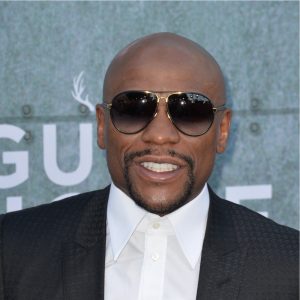
Boxing superstar Floyd Mayweather and rap producer DJ Khaled face a legal battle for serving as celebrity endorsers to an initial coin offering (ICO) accused of fraud. The founders of the allegedly fraudulent ICO were arrested by American criminal authorities back in April.
Also Read:
ICO Promotion Blowback
 Celebrity gossip tabloid reports that Floyd Mayweather and DJ Khaled have been slapped with a lawsuit from investors who accuse them of participating in a multi-million dollar scam. The lawsuit revolves around the Centra Tech ICO that raised more than $32 million from thousands of investors last year, supposedly to build a suite of financial products including a cryptocurrency-backed debit card supported by Visa and Mastercard.
According to the class action lawsuit, Floyd and Khaled were influential in promoting the virtual currency on social media. The investors are targeting the celebrity endorsers, in addition to the company’s founders, with the aim of recouping their lost money plus damages. They complain that the value of the token crashed by over 98%, from about $1 per CTR in February to bellow $0.02 per token in April.
Founders Arrested
 In early April we that the Securities and Exchange Commission (SEC) charged two co-founders of Centra Tech with orchestrating a fraud and criminal authorities arrested them both. Robert Farkas and Sohrah Sharma are alleged to have “masterminded a fraudulent ICO in which Centra offered and sold unregistered investments through a CTR Token.” The two are accused of lying about the relationships with Visa and Mastercard, creating fake biographies, and publishing false or misleading marketing materials to Centra’s website.
Later in April, the SEC charged a third co-founder, Raymond Trapani, with violating the anti-fraud and registration provisions of U.S. federal securities laws. The SEC text messages between Farkas, Trapani and Sharma showing that, in response to a cease-and-desist letter from a bank demanding that Centra remove all references to it from their marketing materials, Sharma said “We gotta get that shit removed everywhere and blame freelancers lol.”
Should celebrity ICO endorsers be held to account for supporting these projects? Share your thoughts in the comments section below.
Images courtesy of Shutterstock.
Verify and track bitcoin cash transactions on our , the best of its kind anywhere in the world. Also, keep up with your holdings, BCH and other coins, on our market charts at , another original and free service from bitcoin.com.
The post appeared first on .