Written in Japan. Year 2037. In a small room with tatami floor, eating post modern sushi.
It’s not the to say that cash is an antiquity. I can hardly remember when it was the last time I pulled out my or my credit card to pay for something.
Gradually in the last decade supermarkets, restaurants and shops around the country have been adopting an electronic alternative kind of payment: likes wallets.
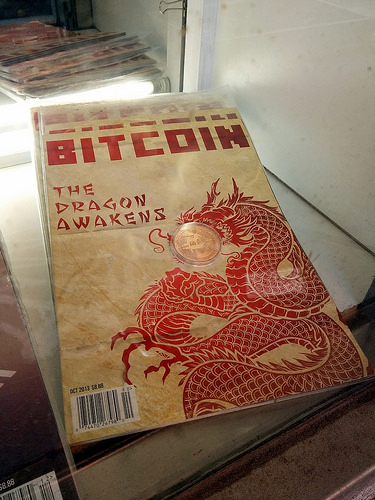
In 2009 and for the next 15 years the crypto-currency community developed strong algorithms and security techniques which made the exchanges of goods and services possible without the traditional concept of money backed by hold reserves. and were the most popular of them. The wa bigger each year and gradually moved from hackers circles to the nontechnical community. Governments started debates due to the concerns raised about taxes regulations and economical control. transactions were pointed out as the biggest cause of taxes evasion in 2022 in the United States. The main economies of the world set up special accountants and financial detective units to digitally chase commerces and freelance businesses.
In the middle of this chaos in a remote village in the unknown region of Tottori in , a young girl named Kiku Toki was about to change the course of digital payments without having the minimal intention to do so.
She was the owner of a ”Powy”, a quite popular Japanese digital . Powys were making millions in revenue since the first launch in 2020. They were hyper-cute, as almost everything in . And ultra catchy due to its colors and similarities to real . The company which was producing Powys had revolutionized the industry by inventing a device which would grow and learn how to remotely trigger a pair of plastic arms to be able to give hugs.
Kiku wanted to buy special for her Powy, but her family was so poor that she could not afford it. Since she was one of the pioneers petting a Powy, her YouTube channel has reached 2.000.000 followers. She contacted the factory and proposed to exchange likes per . The company agreed and in 3 months the number of doing the same grew exponentially. They became an international recognized business and developed a new concept of payment based in likes exchange, they called it LikeCoin in honor to . From then on many famous brands started to adopt the same business model till 2028 in which the first LikeCoin bank was launched in Tottori.
Now it’s estimated that 15 percent of the Japanese economy is based on likes exhanges. The first LikesClub, Like Holidays Resort and Like Supermarkets were launched last month.
Even at this moment, I’m eating a like shaped hyper-cute sushi!
Published at Sat, 16 Mar 2019 01:13:23 +0000