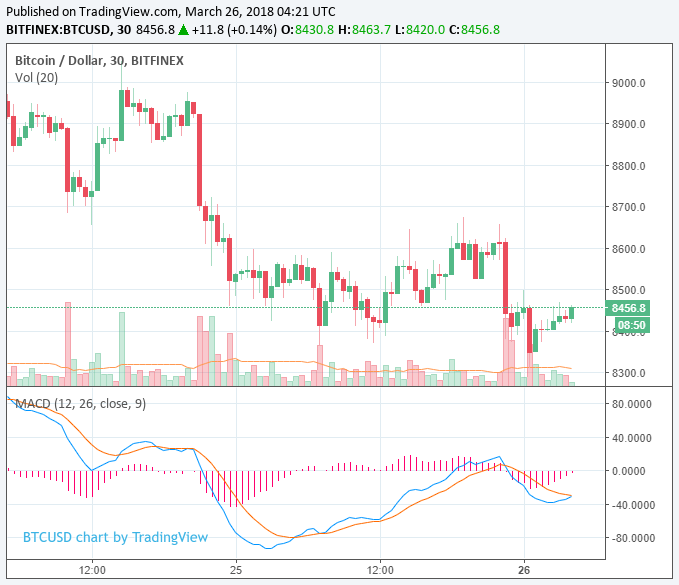
Like many things in life, there’s a right way and a wrong way to go about buying bitcoin. Knowing how to find the right exchange, which payment method to choose and where to store your funds can make a big difference to your buying experience. Take a look!
Step 1 – Finding the Right Exchange
One of the most important factors to consider when buying bitcoin is the exchange you use. Nowadays, there are and not all are good. Before signing up and providing your personal information, find out if the exchange is reputable by reading some reviews from popular websites as well as from users. Of course, take some user reviews with a pinch of salt as these tend to be more negative than positive.
Be sure to consider your location as this may well limit which bitcoin exchange you can use. Indeed, the vary by country so read up on these beforehand. Of course, you’ll also want to make sure that the bitcoin exchange offers a suitable payment method (but more on this shortly). Fees can vary significantly by payment method so keep this in mind. Fees for trading, depositing and withdrawing can also vary by exchange and can add up if you plan on buying bitcoin on a regular basis.
It’s a good idea to find out what sort of features the bitcoin exchange offers. It may be that you want a simple, user-friendly platform. However, some exchanges offer more advanced options such as margin trading which can be daunting to newcomers. Last but certainly not least, ask yourself if the cryptocurrency exchange is secure.
Does it have security features such as Two-factor Authentication and email encryption, for example? Is it HTTPS secured? If the answer is no, it’s probably best that you look elsewhere. All these parameters and more should be taken intro account as your .
Step 2 – Choosing the Right Payment Method
Connected to finding the right exchange is choosing the right payment method. As you’re exploring bitcoin exchanges, you may find that some don’t accept any fiat currency, trades or transactions. A good example of this is . In this case, you’d need to purchase your bitcoin or altcoin elsewhere and send it to the exchange in question in order to use it.
Many exchanges accept bank transfers and wire transfers. Such payments can take some days to process so this is worth bearing in mind if you’re looking to buy quickly. If time is of the essence, some exchanges accept payment by credit card or debit card. One example of this is . While this is quick and convenient, the fees charged are typically much higher than those of a bank transfer.
Whichever payment method you choose, consider its reversibility. This means the ease with which a . You may want to have such an option if you find out that a particular exchange is a fraud. However, thorough research can limit such a risk in the first place. If you have even the slightest doubt about an exchange and a particular payment method, you can always look elsewhere or simply buy a very small amount of bitcoin to start with in order to ensure that everything is legitimate.
Step 3 – Storing Funds in the Right Place
Once you’ve found your bitcoin exchange and chosen your payment method, it’s time to send your bitcoin to a secure place. This is highly recommended because cryptocurrency exchanges are vulnerable to hacks or even shutting down as we’ve seen in the case of several exchanges over the years. If you do want to keep bitcoin on an exchange for daytrading, perhaps make it a small percentage of your total funds to minimize risk.
There are several different types of wallets in which you can store your bitcoin with the most common being desktop, mobile, web/online and hardware wallets. While convenient, web wallets are generally seen as the least secure option since many don’t allow users to control their own private keys. Some exceptions include and . Arguably the most secure bitcoin wallet type is the hardware wallet. That’s because hardware wallets are offline devices that are free from malware. Popular hardware wallets include , and .
Conclusion
You can buy bitcoin in the right way by following the above advice. This makes a bad buying experience much less likely. Just be sure to do plenty of research and ask the right questions and you’ll likely have a positive experience.
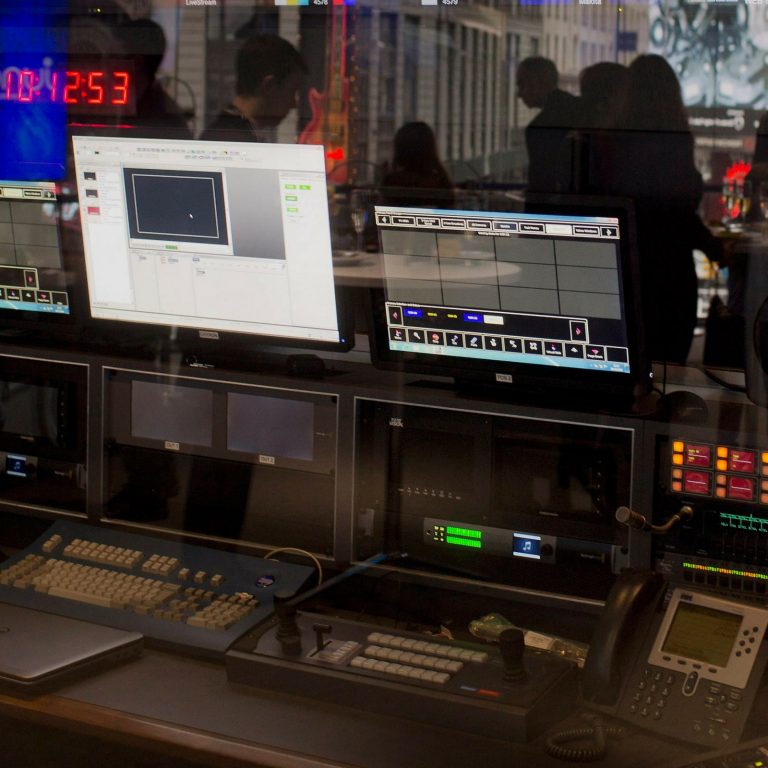
The UK’s CMC Markets Plc announced it would offer cryptocurrency contracts for difference (CFDs) and spread-betting, accessible at first to professional traders. Though too soon to call a trend, the company is following its rivals into an unsure market increasingly under threat from regulators.
Also read:
More Crypto CFDs Added Due to Demand
 Grant Foley
“With the cryptocurrency market growing rapidly over the past 12 months,” CMC’s Grant Foley , “we have received significant interest from our clients for bitcoin and ethereum CFDs. As a result, we have developed a new offering for this unique digital asset class. We recognise that cryptocurrencies can be regarded as a volatile market, so we are initially only offering trading, on an exclusive basis, to our experienced professional client base.”
Based in London, is owned by Goldman Sachs. It’s a worldwide market maker, and trades in contracts for difference, foreign exchange, and spread-betting. Spread-betting is a very British financial speculation similar to derivatives, and can be offered in parallel to CFDs. Its advantages include flexibility in trading hours, potential for innovation, and it usually has stop losses baked-in. Spread-betting is a contract between the market-maker and the client, not cleared by an exchange, and can avoid many regulations in doing so.
CFCs are financial derivatives. Traders take long or short positions on price without the bother of owning the actual asset – in this case, cryptocurrencies like bitcoin. They come in the form of indices, stocks, futures, bonds, commodities, or currencies. CMC for its part is entering crypto after rivals Admiral Markets, Gain Capital’s City Index, Plus500 Ltd., and IG Group Holdings Plc. have already proved the market can be made.

Mr. Foley of CMC continued, “We have built our bitcoin and ethereum cryptocurrency offering with our clients in mind. Like all other financial instruments we offer, we always recommend that clients understand the risks and conduct thorough research before trading.”
Regulators Watching Closely
It’s an interesting time to enter crypto, especially with US futures flatlining and bitcoin’s price plummeting in recent weeks. Add to those last month’s Autorite des Marches Financiers , effectively insisting such crypto derivatives will be regulated within the European Union’s MiFID II. It could mean strict business conduct standards, mandatory reporting, and many of financial products are barred from electronic advertising.
The fuss might be worth it, however, as “Plus500 said the hype around cryptocurrencies drew more customers to its trading platforms and the company forecast 2018 revenue ‘significantly ahead’ of market expectations,” Reuters reported.
Do you think CFDs are a good move for crypto? Let us know in the comments!
Images via Pixabay, CMC.
At we do not censor any comment content based on politics or personal opinions. So, please be patient. Your comment will be published.
The post appeared first on .