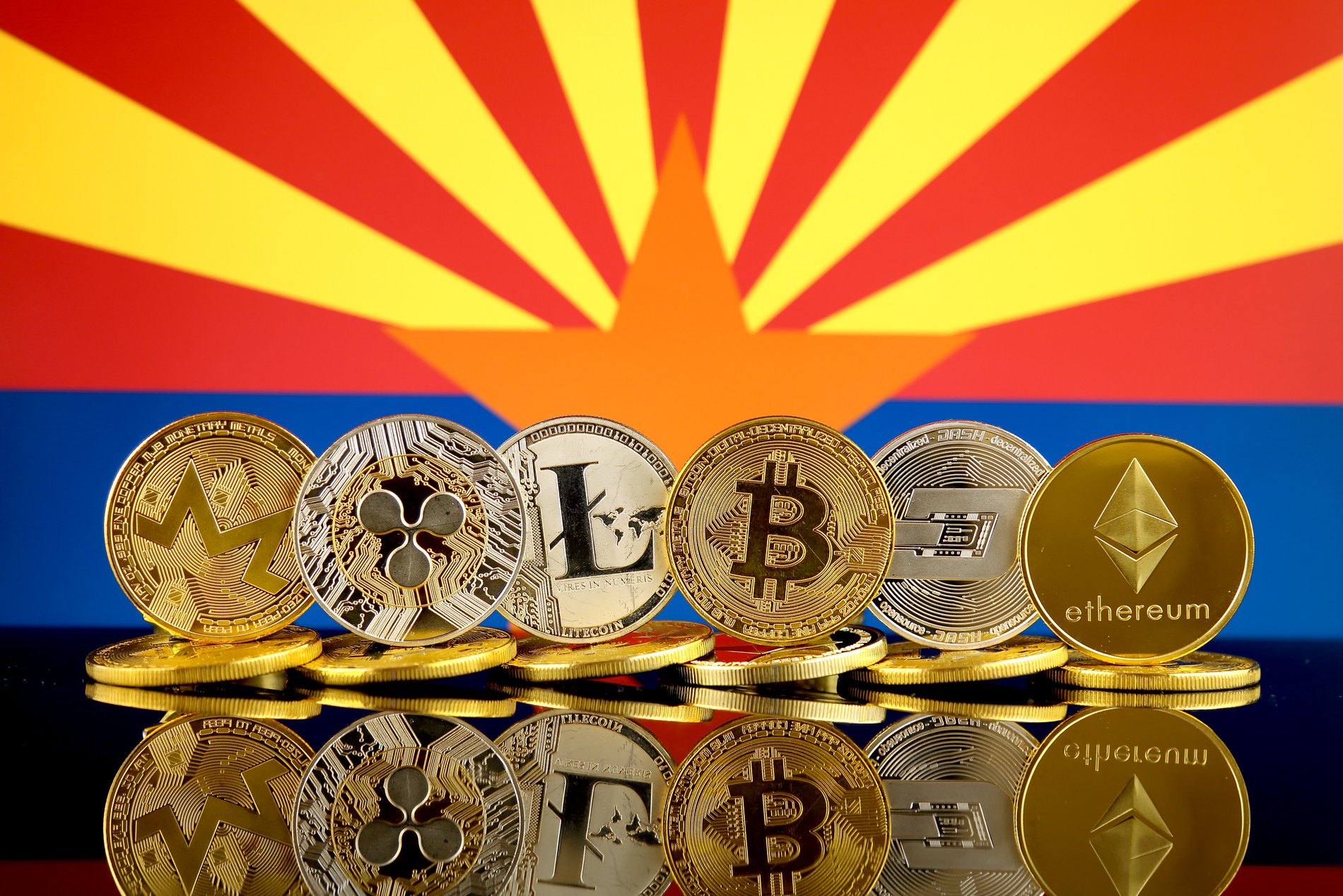
bitcoin, the pioneering cryptocurrency, has experienced a notably volatile value trajectory since its inception. Its price fluctuations have been marked by dramatic surges and sharp declines,reflecting a market characterized by rapid changes and speculative interest. Despite this volatility, bitcoin has demonstrated critically important long-term growth, evolving from a niche digital asset to a recognized store of value with a market capitalization in the trillions. Currently, bitcoin’s price hovers around $117,000 to $118,000 per BTC, underscoring its ongoing relevance in the global financial landscape.This article delves into the ancient price volatility of bitcoin while examining its enduring growth trends and the factors contributing to its sustained market presence. [[2]] [[3]]
bitcoin Price Fluctuations and Key Historical Events
bitcoin’s price has experienced remarkable swings since its inception, reflecting its unique position as a decentralized digital currency and the evolving perception of its value. Early years saw bitcoin trade for mere cents, but pivotal moments such as the first real-world purchase in 2010 – two pizzas for 10,000 BTC – marked the beginning of wider acceptance and sparked initial price increases. Subsequent surges often coincided with increased media attention, regulatory developments, and growing institutional interest.
Several key events have significantly influenced bitcoin’s volatility and long-term trajectory:
- 2013: bitcoin surpassed $1,000 for the first time, driven by both speculative enthusiasm and geopolitical instability.
- 2017: The historic bull run saw bitcoin reaching nearly $20,000,fueled by mainstream adoption and the ICO boom,followed by a sharp crash in 2018.
- 2020-2021: Institutional investors’ entry, corporate adoption, and growing acceptance as “digital gold” propelled bitcoin to new all-time highs above $60,000.
| Year | Event | Price Impact |
|---|---|---|
| 2010 | First commercial bitcoin transaction | Negligible (few cents) |
| 2013 | Price crosses $1,000 | +1000% |
| 2017 | Peak near $20,000 | +1900% |
| 2021 | Institutional adoption surge | +300% |
The volatile history reflects bitcoin’s ongoing maturation as a financial asset. While sharp declines and regulatory hurdles have introduced short-term instability, the overall long-term trend demonstrates a robust thankfulness of value. Investors and observers recognize that bitcoin’s price movements frequently enough mirror broader economic cycles, technological advancements, and shifts in market sentiment, cementing its role as a dynamic component of the global financial ecosystem.

Factors Influencing bitcoin’s Market Volatility
bitcoin’s market volatility stems from a unique combination of factors that differentiate it from conventional assets. One of the primary drivers is its relatively low market capitalization compared to established financial instruments, which means even modest buy or sell orders can cause significant price swings. Additionally, regulatory announcements worldwide can create sudden market reactions, as governments and institutions grapple with defining clearer policies around cryptocurrencies.
Another significant influence is market sentiment, often shaped by media coverage, social media trends, and influential investors’ statements. Unlike stocks or bonds, bitcoin lacks a centralized entity backing it, making perceptions and expectations highly impactful on its valuation. This sentiment can rapidly shift between optimism and fear, contributing to sharp price fluctuations over short periods.
- Additional factors that contribute to bitcoin’s volatility include:
- Liquidity constraints in certain exchanges or regions
- Technological developments and network upgrades
- Macro-economic events affecting global financial markets
- Speculative trading and leverage usage on cryptocurrency platforms
| Factor | Impact on Volatility | Example |
|---|---|---|
| Regulatory News | High | Announcements of exchange bans or approvals |
| Market Sentiment | Moderate to High | Celebrity endorsements or warnings |
| Liquidity | Moderate | Trading volumes during market crashes |
Analyzing Long-Term Growth Trends in bitcoin Value
Over the past decade, bitcoin has demonstrated a remarkable trajectory marked by periods of extreme volatility followed by sustained upward movements. Despite sharp price corrections, the long-term trend reflects significant appreciation in value, driven by increased adoption, technological advancements, and growing institutional interest. early investors witnessed bitcoin’s value rise from mere cents to thousands of dollars, illustrating its potential as a store of value amid traditional financial market fluctuations.
Several key factors contribute to bitcoin’s enduring growth pattern:
- Scarcity: With its fixed supply capped at 21 million coins, bitcoin’s limited availability fosters scarcity-driven demand over time.
- network Effects: As more participants engage with the bitcoin ecosystem, its utility and acceptability as a medium of exchange and investment increase.
- Market Cycles: bitcoin typically follows recognized market patterns of boom and bust that, while volatile, tend to elevate its baseline value after each cycle.
The table below summarizes bitcoin’s approximate price milestones aligned with significant market events, providing insight into its historical growth trends:
| Year | Price Range (USD) | Key Event |
|---|---|---|
| 2011 | $1-$30 | First major price surge |
| 2013 | $100-$1,200 | Increased mainstream awareness |
| 2017 | $1,000-$20,000 | Mass adoption and ICO boom |
| 2020-2024 | $10,000-$69,000 | Institutional investment intensifies |
Investment Strategies for Navigating bitcoin’s Volatile Market
Diversification remains a cornerstone in managing the inherent volatility of bitcoin. investors should balance their portfolios by allocating capital across different asset classes rather than concentrating solely on cryptocurrencies.This approach can mitigate dramatic losses during sudden market swings while maintaining long-term growth prospects.Additionally, diversifying within the crypto space-by including stablecoins, altcoins, or blockchain-related assets-can provide further protection against bitcoin’s price fluctuations.
Adopting a dollar-cost averaging (DCA) strategy helps to smooth the impact of volatility. By investing fixed amounts at regular intervals regardless of price, investors reduce the risk of making poorly timed purchases during peaks or troughs.This method encourages discipline and mitigates emotional decision-making, which is particularly beneficial in markets as unpredictable as bitcoin’s.
Risk management techniques such as setting stop-loss orders and defining clear profit targets can prevent significant capital erosion. It’s equally crucial to stay informed about network developments and market trends by using reliable sources-ensuring swift adaptation to new conditions. Below is a summary table outlining strategies and their potential benefits:
| Strategy | benefit | Consideration |
|---|---|---|
| Diversification | Risk reduction across assets | Requires knowlege of multiple markets |
| Dollar-cost Averaging (DCA) | Mitigates timing risk | Lower immediate gains during bull runs |
| Stop-Loss Orders | Limits downside losses | may trigger premature exit during volatility |
- Stay Patient: Long-term investment horizons generally outperform reactive trading.
- regularly Review: Adjust strategies based on changing market dynamics and personal goals.
- Secure Storage: Use hardware wallets or other secure methods to protect holdings.
Q&A
Q1: What is bitcoin and why is its value considered volatile?
bitcoin (BTC) is a decentralized digital currency that operates without a central authority. Its value is considered volatile because it experiences significant price fluctuations over short periods, influenced by factors such as market demand, regulatory news, technological developments, and macroeconomic trends.
Q2: How has bitcoin’s price evolved over time?
As its inception, bitcoin’s price has seen dramatic rises and falls. From being nearly worthless in its early days, it has grown to reach values exceeding $100,000 at certain points. Despite frequent volatility, the overall long-term trend has been one of significant growth.Q3: What is bitcoin’s current market price and capitalization?
As of July 21, 2025, bitcoin’s price is around $118,780.51 per BTC with a market capitalization exceeding $2.35 trillion USD, highlighting its continued significance in the financial markets.
Q4: What factors contribute to bitcoin’s long-term growth despite volatility?
Long-term growth is driven by increasing adoption, recognition as a store of value, improvements in blockchain technology, and growing institutional interest.These factors help to maintain and enhance bitcoin’s value over time, even as it undergoes short-term price swings.
Q5: How does trading volume relate to bitcoin’s volatility?
Higher trading volumes often correlate with increased liquidity and market activity,which can both amplify and moderate price volatility. For bitcoin, 24-hour trading volumes can reach tens of billions of dollars, reflecting intense market engagement.
Q6: Is bitcoin a safe investment given its price fluctuations?
bitcoin’s significant price volatility makes it a high-risk investment. However, many investors view it as a long-term asset with potential for substantial returns, given its historical growth patterns. As with any investment, risk tolerance and market research are important considerations.
Q7: How can individuals track bitcoin’s price in real time?
bitcoin’s price can be tracked in real time through various financial websites and platforms such as Investing.com, CoinDesk, and Binance, which provide live price charts, market cap data, and trading volumes.
The Conclusion
bitcoin’s value has been marked by significant volatility, characterized by sharp price fluctuations and periodic market corrections. however, despite this instability, bitcoin has demonstrated notable long-term growth, with its price increasing substantially over the years and maintaining a strong market presence. As of today, bitcoin continues to command a high valuation, reflecting both ongoing investor interest and its evolving role within the broader financial ecosystem. understanding bitcoin’s history of volatility alongside its growth trajectory is essential for investors and observers looking to navigate the complexities of this pioneering cryptocurrency.