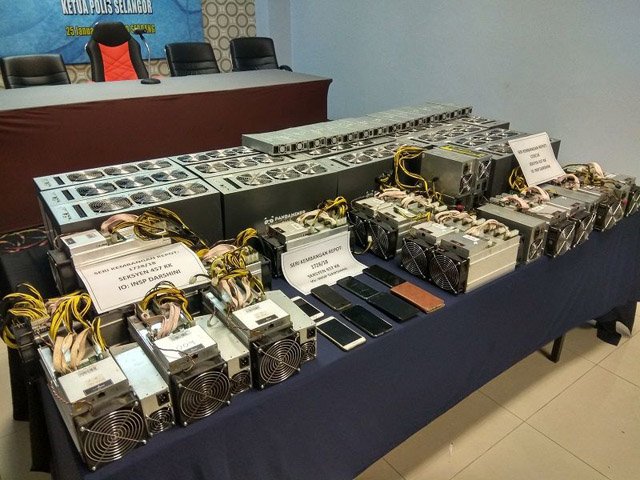
bitcoin’s journey from a niche digital asset to a globally recognized form of money underscores the critical role of ongoing adoption and decentralization in its sustained success. Despite remarkable growth-akin to the rapid expansion of the internet-bitcoin still remains underutilized relative to its full potential, with only a fraction of the world’s population engaging in its use or holding it as an asset. As of 2025,approximately 425 million people,or about 5.3% of the global population, have transacted or owned bitcoin, reflecting a steady yet incomplete penetration into mainstream financial systems. The continued expansion of user adoption across diverse countries, coupled with the preservation of its decentralized nature, will be decisive factors in bitcoin’s ability to maintain its trust, security, and utility as a global financial instrument[[1]](https://blog.river.com/bitcoin-adoption-2025/)[[2]](https://coinranking.com/blog/bitcoin-global-adoption-2025/)[[3]](https://plasbit.com/blog/bitcoin-adoption-by-country).
bitcoin Adoption Trends and Their Impact on Network Growth
bitcoin’s widespread adoption has consistently served as a primary driver for its network growth. As more users join the ecosystem, the demand for transactions and block confirmations rises, increasing the network’s overall activity. This growing participation not only enhances security through a higher number of nodes validating transactions but also intensifies the decentralization that is vital for maintaining the integrity of a peer-to-peer payment system.Importantly, the initial setup and ongoing synchronization of bitcoin Core require considerable bandwidth and storage-over 20GB-as the blockchain expands, underlining how adoption influences infrastructure requirements (bitcoin core data size).
The adoption trends also reflect varying user segments, from casual holders to institutional investors and merchants. The increasing acceptance of bitcoin as a payment method by businesses worldwide translates to a greater number of daily transactions on the network. This in turn incentivizes miners and node operators, strengthening the network’s resilience. Key factors pushing adoption include:
- Enhanced wallet usability and security
- Growing regulatory clarity in multiple jurisdictions
- Expansion of educational resources around blockchain technology
Below is a simplified representation of how adoption rate influences network metrics:
| adoption Metric | Impact on Network |
|---|---|
| User Base Growth | Increased transaction volume and node participation |
| Merchant Acceptance | higher on-chain transaction frequency |
| Infrastructure Investment | Improved network uptime and speed |
The Role of Decentralization in Ensuring bitcoin Security and Resilience
At the core of bitcoin’s robust security lies its decentralized infrastructure, which disperses control across thousands of self-reliant nodes worldwide. this widespread distribution eliminates any single point of failure or attack, making the network significantly resistant to censorship, hacking, and manipulation attempts. Each participant validates and records transactions, ensuring transparency and trust without relying on a central authority.
Decentralization fosters resilience in several critical ways:
- Network stability: The diverse geographic and organizational spread of nodes prevents outages and service disruptions.
- Immutability: Consensus mechanisms combined with decentralization render transaction histories tamper-proof.
- Disintermediation: By negating intermediaries, bitcoin reduces vulnerabilities linked to centralized intermediaries.
- Community governance: Updates and protocol changes require majority agreement, minimizing hostile takeovers.
Below is a concise comparison illustrating the impact of decentralization on key security aspects:
| Security Aspect | Centralized Control | Decentralized bitcoin Network |
|---|---|---|
| Attack Surface | High, single points of failure | Minimal, distributed across thousands of nodes |
| Transaction Validation | Controlled by few entities | Consensus by multiple independent nodes |
| System Recovery | Dependent on central operators | self-healing through distributed consensus |
| Censorship Resistance | Easily compromised | Highly resistant due to diversity |
Strategies for Enhancing User Participation and Accessibility
Maximizing user engagement requires lowering barriers to entry while fostering a welcoming environment for newcomers. Simplifying wallet interfaces and integrating clear educational resources can demystify bitcoin’s technical foundations, encouraging broader participation across demographics. Additionally, support for multiple languages and accessibility features such as screen reader compatibility and adjustable font sizes enhances inclusivity for users with diverse needs.
Community empowerment plays a pivotal role in sustaining vibrant participation. Encouraging localized meetups, online forums, and collaborative development projects allows users to contribute according to their skills and interests. Providing obvious governance mechanisms and incentivizing contributions through token rewards or recognition helps maintain momentum and nurture long-term engagement within a decentralized ecosystem.
| Strategy | Key Benefit |
|---|---|
| User-kind interfaces | Boosts adoption by simplifying interactions |
| Accessibility features | Ensures inclusivity for all users |
| Community initiatives | Enhances peer support and collaboration |
The intersection of technology and social dynamics demands continuous adaptation to sustain adoption rates. Tools such as lightweight clients and decentralized applications (dApps) reduce resource requirements, allowing access on low-end devices common in underserved regions. Moreover, partnerships with local organizations and businesses promote practical bitcoin use-cases, embedding the currency deeper within everyday economic activity and fostering a more resilient network of participants.
Policy Recommendations to Support Sustainable bitcoin Ecosystem development
To foster a resilient bitcoin ecosystem, policymakers should prioritize frameworks that encourage transparency and open-source development, ensuring that innovation remains decentralized and accessible. By supporting community-driven projects and funding research in scalable solutions, governments can definitely help maintain bitcoin’s integrity as a peer-to-peer electronic payment system. Regulatory clarity that balances consumer protection without imposing restrictive barriers will also empower users to adopt bitcoin confidently across diverse markets.
Key policy measures include:
- Implementing clear legal definitions around digital assets to reduce ambiguity.
- Encouraging decentralized infrastructure through grants and partnerships.
- Promoting education initiatives to increase public understanding and trust.
- Supporting eco-friendly innovations to minimize bitcoin’s environmental footprint.
| policy Focus | Expected Outcome |
|---|---|
| Regulatory Clarity | Increased institutional and retail adoption |
| Decentralized Funding | Stronger network resilience and innovation |
| Educational Programs | Broadened user base and improved literacy |
| Environmental Incentives | Reduced carbon footprint and sustainable mining |
Q&A
Q: Why is ongoing adoption crucial for bitcoin’s success?
A: Ongoing adoption is essential as it increases the utility and acceptance of bitcoin as a currency. as more individuals, businesses, and institutions use bitcoin, it transitions from a niche asset to everyday money, enhancing its liquidity, stability, and value. This growing use case supports bitcoin’s role as a decentralized alternative to conventional financial systems and promotes innovation in payments and financial services globally , .
Q: How is bitcoin adoption evolving globally?
A: bitcoin adoption is expanding worldwide, including in developing regions where it is used for peer-to-peer markets and as an inflation hedge, and in developed markets where institutional players and AI-powered payment tools are integrating bitcoin into financial infrastructure. This widespread adoption is driving bitcoin’s evolution into a form of everyday money accessible to a broader population , .Q: What role does decentralization play in bitcoin’s success?
A: Decentralization is a foundational principle of bitcoin, ensuring that no single entity controls the network. This reduces the risk of censorship, increases security, and builds trust among users. Maintaining decentralization preserves bitcoin’s integrity as a peer-to-peer system resistant to manipulation and government interference, which is critical for its long-term viability and appeal .
Q: Can bitcoin’s adoption impact traditional financial systems?
A: Yes, as bitcoin adoption grows, it provides an alternative to traditional financial systems, notably in regions with unstable currencies or limited banking access. The decentralized nature of bitcoin and its accessibility can empower individuals and small businesses by offering a reliable store of value and means of payment independent of central authorities .Q: Which countries or regions are leading in bitcoin adoption?
A: the United States is currently dominating bitcoin adoption, supported by institutional involvement and technological infrastructure. however, significant adoption is also occurring in regions like Latin America, Africa, and parts of Asia, where bitcoin is increasingly used by everyday users for savings, remittances, and commerce , .Q: What are the future prospects for bitcoin regarding adoption and decentralization?
A: Experts see bitcoin continuing to evolve into everyday money supported by expanding adoption across both retail and institutional users.Technological advancements, such as AI-powered payment systems, are likely to enhance usability. Concurrently,preserving decentralization amid growth is crucial to maintaining the network’s resilience and user trust. Thus, bitcoin’s future success depends on balancing broad adoption while safeguarding its decentralized architecture .
Key Takeaways
bitcoin’s continued success fundamentally relies on sustained global adoption and the preservation of its decentralized nature. As more individuals, businesses, and governments integrate bitcoin into their financial ecosystems, its utility and resilience are enhanced. Equally significant is maintaining decentralization to ensure security, transparency, and resistance to censorship or control by any single entity. The evolving landscape of cryptocurrency adoption across diverse regions demonstrates significant growth and potential, yet challenges remain in balancing these critical factors.Ultimately, the future of bitcoin will depend on how effectively the community navigates these dynamics to foster widespread trust and long-term viability [[1]](https://plasbit.com/blog/bitcoin-adoption-by-country) [[2]](https://coinlaw.io/cryptocurrency-adoption-by-country-statistics) [[3]](https://www.cryptotimes.io/2025/05/28/bitcoin-adoption-race-how-the-u-s-is-dominating-and-who-are-close-behind/).