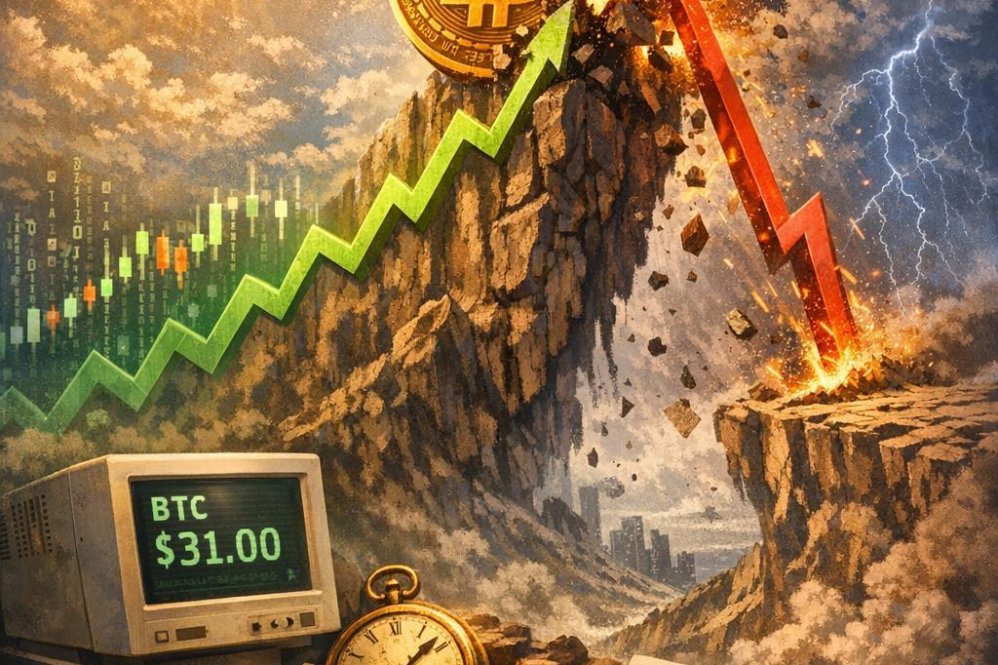
bitcoin Emerges as a Novel Digital Currency Sparking Market Interest
bitcoin’s rise in 2011 marked a pivotal moment in the cryptocurrency world. Originally seen as an experimental digital token, it quickly attracted a growing community of enthusiasts and early investors. The rapid ascent to $31 per bitcoin was driven by a surge of speculative interest and wider media coverage, highlighting bitcoin’s potential to disrupt conventional financial systems.
However, this surge was soon followed by a dramatic downturn.The iconic crash showcased the volatile nature of this nascent market, underscoring the risks involved with digital currencies. Factors contributing to the crash included:
- The collapse of Mt.Gox, then the leading bitcoin exchange
- Regulatory uncertainties that unsettled investors
- market manipulation and security vulnerabilities
| event | Date | Impact |
|---|---|---|
| bitcoin reaches $31 | June 2011 | Record-setting peak, attracting global attention |
| Mt. Gox hack | June 2011 | Loss of trust and major price decline |
| Price crash | July 2011 | Price falls below $3, marking high volatility |
Despite its tumultuous start, bitcoin’s early surge and subsequent crash established critical lessons for the market. It demonstrated the importance of security, regulatory clarity, and investor education in the digital currency ecosystem. This episode laid the groundwork for more sophisticated exchanges and a more resilient cryptocurrency infrastructure moving forward.
Factors Driving Bitcoins Initial Price Surge to Thirty One Dollars
bitcoin’s early surge to $31 in 2011 was propelled by a combination of pioneering adoption and market conditions unique to the nascent cryptocurrency ecosystem. A key driver was the rapid increase in awareness among tech enthusiasts and libertarian communities who saw bitcoin as a decentralized alternative to traditional financial systems. This grassroots interest was complemented by expanding media coverage and word-of-mouth within niche online forums, fueling a speculative frenzy.
Several critical factors contributed to this initial price upswing:
- Limited Supply and Early Mining: with only 21 million bitcoins capped, early miners and holders generated scarcity that created upward price pressure as demand grew.
- Trust in Blockchain Technology: Confidence in bitcoin’s underlying blockchain security and openness attracted early adopters willing to invest despite volatility.
- Emerging Exchange Platforms: The establishment of the first cryptocurrency exchanges provided easier access, liquidity, and price revelation that made trading more viable.
| Factor | Description | Impact on Price |
|---|---|---|
| Limited Supply | bitcoin hard cap of 21 million coins | Increased scarcity and demand |
| Growing Media Coverage | Spread awareness to broader audiences | Attracted new buyers and speculation |
| Exchange Foundations | Launch of first crypto trading platforms | Improved liquidity & price transparency |
This confluence of novelty, technological promise, and expanding accessibility not only helped bitcoin reach its initial milestone price but set the stage for its volatility and eventual crashes.Early investors and miners, driven by ideology and speculation alike, created a feedback loop that pushed the price to unprecedented levels at the time, underscoring the inherently experimental nature of bitcoin’s market dynamics.
Analyzing the Market Dynamics Behind the Two Thousand Eleven Crash
In mid-2011, bitcoin experienced an unprecedented surge that captured widespread public attention, propelling its value from mere cents to an amazing peak of approximately $31. This meteoric rise was fueled by a confluence of factors, including an increase in media coverage, growing interest from early tech enthusiasts, and expanding transactional use on burgeoning online marketplaces. However,underlying vulnerabilities in market infrastructure and speculative fever set the stage for an certain correction,revealing critical dynamics within the nascent cryptocurrency ecosystem.
Key elements driving the market behavior during this volatile period included:
- Limited liquidity: Early exchanges had low trading volumes, amplifying price swings dramatically.
- Speculative bubbles: New investors entered primarily motivated by rapid gains rather than basic value, inflating prices beyond sustainable levels.
- Security weaknesses: Hacks and breaches on exchanges, notably the Mt. Gox incident,eroded trust swiftly,precipitating rapid sell-offs.
| Market Factor | Impact on Price Movement | observed Result |
|---|---|---|
| Low Market Regulation | Allowed unchecked speculative activities | Price volatility soared |
| Exchange Vulnerabilities | Security lapses triggered panic selling | Sudden price crashes |
| Media Hype | Attracted rapid speculative investment | Price surge to new highs |
The rapid escalation followed by a precipitous fall illustrated both the promise and peril of early cryptocurrency markets, offering valuable insights into how emerging digital assets respond to internal and external pressures.
Lessons Learned from the Early Volatility in bitcoin Trading
The early days of bitcoin trading were characterized by extreme price fluctuations that tested the resolve of even the most seasoned investors. These swings highlighted the nascent market’s vulnerability to speculative trading and external influences. Traders quickly learned that volatility could be both an opportunity and a risk, profoundly impacting investment strategies and risk management approaches.Awareness of rapid price reversals became crucial for staying afloat during these tumultuous periods.
Several key lessons emerged from this period of intense market activity:
- Market Sentiment is Fragile: Confidence could evaporate swiftly after a surge, triggering sharp sell-offs.
- Liquidity Constraints Heighten Volatility: Smaller markets meant even modest trades could cause outsized price moves.
- Security and Infrastructure Challenges: early platforms were prone to hacks and outages, exacerbating price instability.
| Factor | Impact on Volatility | Trader Takeaway |
|---|---|---|
| Nascent Market Size | High volatility due to thin order books | Adopt cautious position sizing |
| External Events | Price spikes followed by sharp crashes | Monitor news and market sentiment closely |
| Technological Reliability | Exchange downtimes increased panic selling | Use multiple platforms and secure storage |
Strategic Recommendations for Navigating Cryptocurrency Price fluctuations
To successfully navigate the often tumultuous waters of cryptocurrency markets, investors must adopt a mindset grounded in meticulous risk management and continuous learning. Diversification remains a fundamental principle; spreading investments across diffrent asset classes and cryptocurrencies can help mitigate the impact of sudden price volatility. Additionally, setting clear entry and exit points, supported by historical data and technical analysis, empowers investors to make rational decisions rather than reacting emotionally to market swings.
Volatility-specific strategies are essential to withstand abrupt price shifts. Utilizing stop-loss orders can protect capital by automatically triggering sales when prices fall to predetermined thresholds. Conversely, taking advantage of price surges through incremental profit-taking-selling portions of holdings at multiple target levels-helps lock in gains without completely exiting the market prematurely. Maintaining an updated understanding of macroeconomic trends and technological developments within the blockchain ecosystem also sharpens an investor’s ability to anticipate market reactions.
| Strategy | Purpose | Benefit |
|---|---|---|
| Diversification | Reduce risk exposure | Protects portfolio from extreme fluctuations |
| Stop-Loss Orders | Limit losses during downturns | Minimizes capital erosion |
| Incremental Profit-Taking | Maximize gains during rallies | Ensures partial realization of profits |
| Continuous Education | Stay informed on market drivers | improves timing and decision-making |
Above all,cultivating patience and discipline is imperative in a market characterized by rapid and unpredictable price adjustments. Avoiding impulsive trading and adhering to pre-established plans can prevent costly mistakes. By recognizing that sudden surges and crashes are inherent to cryptocurrency ecosystems, seasoned investors transform volatility into opportunity rather than risk, fostering sustainable growth of their holdings over time.
The Lasting Impact of Bitcoins First Major Price Cycle on Future Investment Trends
bitcoin’s early venture into the realm of ample price volatility set a precedent for how digital assets would be perceived and traded in the years to come. The surge to $31, followed by a dramatic crash, exemplified the risks and rewards associated with cryptocurrency investments. This formative event did not just captivate early adopters but also sparked widespread interest, shaping the behavior of institutional and retail investors alike. The oscillation underscored the importance of market sentiment, technological developments, and media influence on valuation.
In the aftermath, investors began adopting more nuanced approaches to digital asset portfolios, integrating strategies to mitigate sudden downturns while capitalizing on rapid price increases. Key adjustments included:
- Risk management techniques: Incorporation of stop-loss orders and diversified asset allocation.
- Analytical rigor: Greater reliance on technical analysis combined with blockchain fundamentals.
- Long-term outlook: Shift from speculative trading toward holding for potential future value appreciation.
The first major price cycle also catalyzed regulatory scrutiny and infrastructure progress, which have continued to influence investment trends. Below is a brief comparison of investment climate indicators before and after the 2011 price cycle:
| Indicator | Pre-2011 Cycle | Post-2011 Cycle |
|---|---|---|
| Market Liquidity | low | Moderate to High |
| Regulatory Awareness | Minimal | Increasing |
| Investor diversity | Primarily Tech Enthusiasts | Broader, including Institutional |
| Infrastructure | Basic exchanges | Emerging Robust Platforms |


