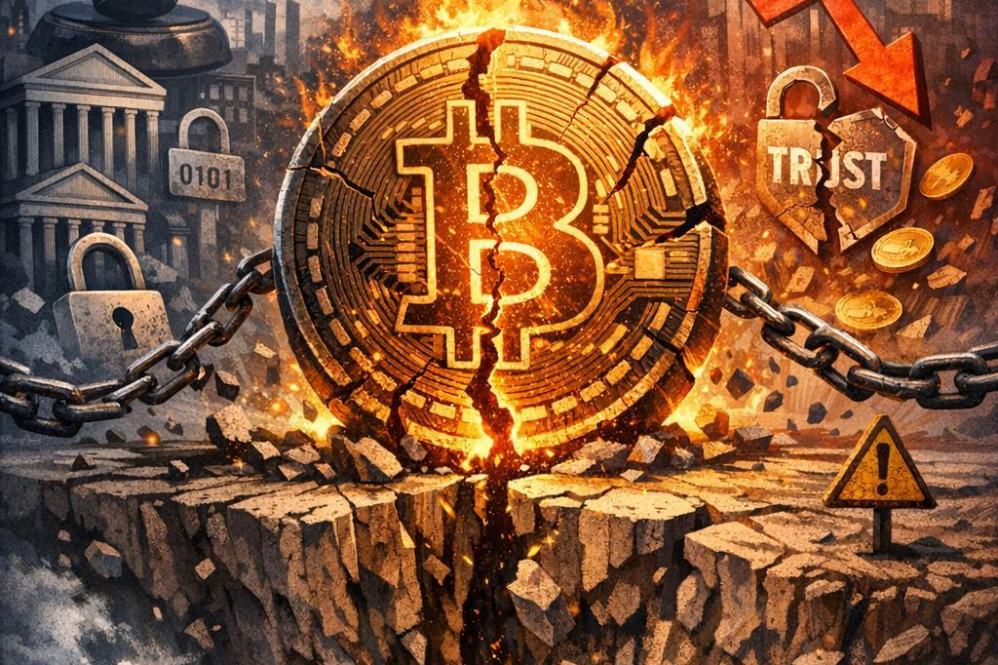
bitcoin Regulation challenges and Their Impact on Market Stability
Governments and regulatory bodies worldwide grapple with the challenge of creating frameworks for bitcoin that balance innovation with investor protection. the decentralized nature of bitcoin creates inherent friction against centralized regulatory systems, making the enforcement of clear-cut rules difficult. While some countries embrace cryptocurrency with proactive legislation, others impose stringent restrictions or outright bans, creating a fragmented global regulatory landscape. This patchwork approach fuels uncertainty among market participants, often triggering price volatility as traders react to announcements or fears of regulatory clampdowns.
Several core issues complicate regulatory efforts, including concerns over anti-money laundering (AML), tax evasion, consumer protection, and systemic financial risks.bitcoin’s pseudonymous transactions pose difficulties for regulators working to prevent illegal activities without stifling legitimate use. Moreover, the lack of standardized oversight frameworks globally causes inconsistencies in compliance requirements, burdening exchanges and businesses operating cross-border. This inconsistency can reduce market confidence and hinder broader institutional adoption, which is critical for long-term stability and growth.
| Regulatory Challenge | Impact on Market Stability |
|---|---|
| Lack of Uniform Policies | Leads to fragmented liquidity and price swings across markets |
| AML Enforcement Difficulties | Risks of illicit use increase caution among investors and regulators |
| Consumer Protection Limits | Can result in eroded trust and potential market sell-offs during crises |
- Volatile regulatory announcements often cause abrupt market reactions.
- Differing global standards deter large institutional involvement.
- regulations without clarity prolong uncertainty and risk perception.
Technical Vulnerabilities in bitcoin protocols and Security Implications
bitcoin’s architecture, while revolutionary, is not impervious to technical vulnerabilities. At its core, the protocol relies heavily on cryptographic algorithms and consensus mechanisms that can be susceptible to emerging threats such as quantum computing and 51% attacks.For instance,a accomplished 51% attack-where a single entity gains majority control over the network’s hashing power-could enable double-spending and undermine transactional integrity. Equally concerning is the risk posed by bugs or hidden flaws in the protocol’s implementation, which could provide attack vectors for malicious actors exploiting network consensus or transaction validation processes.
Key technical vulnerabilities include:
- Double-spending attacks facilitated by network forks or delayed block propagation
- exploitation of transaction malleability for deceptive unlock conditions
- Weaknesses in wallet software leading to private key theft or unauthorized access
- Theoretical threats from advances in quantum cryptanalysis jeopardizing digital signatures
| Vulnerability Type | Potential impact | Mitigation Strategy |
|---|---|---|
| 51% Attack | Transaction reversal, network control | Decentralized mining, stronger consensus |
| Quantum Threat | Compromise of cryptographic keys | Post-quantum cryptographic upgrades |
| Software Bugs | protocol disruption, fund loss | Regular audits and updates |
The cascading security implications extend beyond just the network integrity. Technical flaws not only threaten the stability of bitcoin transactions but also erode user trust-one of the most vital cornerstones for any decentralized financial system. As exploits or perceived weaknesses increase, the market’s confidence can falter, triggering volatility in bitcoin’s value and a slowdown in adoption. Consequently, robust security frameworks, proactive vulnerability assessments, and continuous protocol enhancements remain indispensable for maintaining resilience against evolving threats.
Erosion of Trust in bitcoin Ecosystem: Causes and Consequences
Within the bitcoin ecosystem, trust is a foundational pillar that sustains its value and usability.Over time, several factors have contributed to a growing erosion of this essential trust.Regulatory crackdowns by global authorities have created unpredictable environments where sudden bans, restrictions, and legal uncertainties unsettle both investors and developers. Additionally, the technical complexity of bitcoin can alienate newcomers, while repeated instances of hacking in related exchanges and wallets amplify fears of systemic vulnerabilities.These causes collectively seed doubt, complicating bitcoin’s ambitions as a reliable store of value and medium of exchange.
At its core, trust is about belief in the system’s integrity and future stability. However, bitcoin’s decentralized nature also means that flaws in protocol design or implementation can linger longer than in conventional financial systems. Cases of bugs, scalability challenges, or contentious forks raise questions about the currency’s long-term robustness.moreover, community divisions and misinformation can fracture user confidence, creating friction within the ecosystem. This degradation of trust leads to tangible consequences: diminished liquidity, increased price volatility, and reduced mainstream adoption.
| Cause | Impact on Trust | Long-Term Consequence |
|---|---|---|
| Regulatory Pressure | Uncertainty over legality and usage | Hesitation from institutional investors |
| Technical Vulnerabilities | fear of loss and hacks | Slow adoption and undermined security claims |
| Community Fragmentation | Confusion and lack of unified direction | Reduced developer collaboration |
- Clarity gaps in governance and decision-making processes weaken user confidence.
- Media sensationalism often highlights negative events, skewing public perception.
- Unrealistic expectations around bitcoin’s capabilities foster disappointment when issues arise.
Strategic Recommendations for Mitigating Key bitcoin Risks
Addressing bitcoin’s regulatory challenges requires a proactive and collaborative approach. Stakeholders must engage with policymakers to advocate for clear, balanced frameworks that protect consumers without stifling innovation.transparency and compliance initiatives can help demystify bitcoin’s ecosystem, ensuring regulators view it as a structured financial instrument rather than an ungoverned threat.Educational campaigns targeted at both authorities and users are essential to foster mutual understanding and alignment on legal expectations.
Mitigating technical vulnerabilities demands ongoing investment in the blockchain’s infrastructure and security. Developers should prioritize rigorous code audits, bug bounties, and protocol upgrades to patch flaws before adversaries can exploit them. Moreover, encouraging decentralization in mining and node operation can reduce systemic risks associated with power concentration. Users must be equipped with robust wallet solutions and best security practices to safeguard their holdings from phishing,hacking,or loss.
Restoring and maintaining trust hinges on cultivating a resilient community and transparent governance mechanisms. bitcoin projects and exchanges should adopt open dialogue channels to swiftly address incidents and clarify misinformation.Highlighting achievements in adoption and technological advancements reinforces confidence. The table below summarizes core strategic pillars to fortify bitcoin against its most critical risks:
| Risk Factor | Strategic approach | Key actions |
|---|---|---|
| Regulation | Engagement & compliance | Policy advocacy, transparency, Education |
| Technical Flaws | Security & Decentralization | Code audits, Protocol upgrades, User education |
| Trust Loss | Community & governance | Open communication, Incident response, Highlighting milestones |