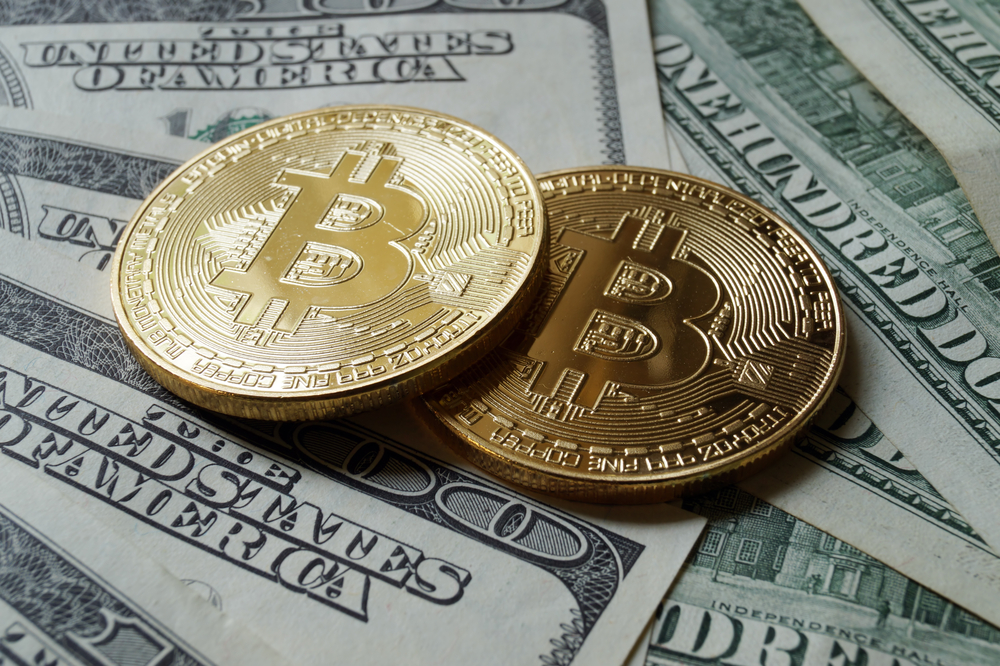
In 2021,bitcoin reached a significant milestone by hitting an all-time high of approximately $69,000,marking one of the most notable peaks in its price history. This surge reflected growing institutional interest, increased adoption, and market dynamics fueled by factors such as supply constraints and heightened demand. The price milestone underscored bitcoin’s evolution from a niche digital asset to a major player in the global financial landscape, capturing widespread attention from investors and media alike. Understanding the context and factors behind this record price provides valuable insight into the cryptocurrency’s market behavior during a pivotal year.
bitcoin’s Journey to Its All-Time high in 2021
In 2021, bitcoin experienced a record-breaking surge that captivated investors and the financial world alike.The cryptocurrency’s ascent to nearly $69,000 was fueled by a combination of broader institutional adoption, growing retail interest, and macroeconomic factors such as inflation concerns and monetary stimulus. This landmark event marked the culmination of several key developments throughout the year.
Key factors contributing to bitcoin’s 2021 peak included:
- Institutional Endorsements: Major companies and investment funds, including Tesla and MicroStrategy, added bitcoin to their balance sheets, legitimizing it as a store of value.
- Increased Accessibility: Platforms like PayPal and various exchanges made buying and selling bitcoin easier for everyday users worldwide.
- Regulatory Clarity: Some governments began defining clearer frameworks for digital assets, providing greater confidence for investors.
- Media Coverage: Widespread media attention sparked curiosity and FOMO (fear of missing out) among new market participants.
The journey to the peak was marked by significant volatility, wiht bitcoin prices reacting to both positive news and regulatory challenges. The launch of bitcoin ETFs in Canada and discussions of potential approvals in the U.S. helped drive enthusiasm,while announcements from countries like China banning crypto activities caused sharp pullbacks. Despite these fluctuations, the general trend remained strongly upward during the first half of 2021.
| Month | Notable Event | Approximate Price |
|---|---|---|
| January | Retail frenzy begins | $30,000 |
| February | Tesla buys $1.5B bitcoin | $45,000 |
| april | All-time high near $64,800 | $64,800 |
| October | Renewed bull run after dips | $62,000 |
| November | Peak at approximately $69,000 | $69,000 |

Key Factors Driving bitcoin’s Price Surge
Institutional adoption marked a pivotal turning point for bitcoin in 2021. Major corporations and investment funds started integrating bitcoin into their balance sheets and portfolios. This influx of institutional money dramatically increased market confidence, signaling bitcoin’s acceptance as a legitimate asset class rather than just a speculative token.
regulatory clarity also played a significant role. As governments around the world began to develop clearer guidelines surrounding cryptocurrency trading and taxation, investor apprehension reduced.This enhanced legal framework helped attract a broader base of investors who were previously cautious about potential regulatory risks.
Another critical driver was the surge in retail interest and mainstream media coverage. the hype surrounding bitcoin’s potential for rapid gains, combined with social media influencers and major news outlets frequently covering its price movements, created a feedback loop that attracted a new generation of buyers. This enthusiasm often translated into rapid price accelerations during key moments.
| Factor | Impact Level | Role in Price Surge |
|---|---|---|
| Institutional Adoption | high | Increased market trust and capital inflow |
| Regulatory Clarity | Moderate | Reduced investor uncertainty |
| retail Investor Surge | High | Increased buying pressure and volatility |
| Media & Social Influence | Moderate | Amplified awareness and FOMO effect |
Impact of Institutional Investment on bitcoin’s Value
The surge toward bitcoin’s peak value in 2021 was heavily influenced by an influx of institutional investors, who brought not only capital but also increased trust and legitimacy to the cryptocurrency market. Their participation signaled a broader acceptance of bitcoin as a viable asset class, driving both market enthusiasm and price thankfulness.
Institutional players such as hedge funds, family offices, and publicly traded companies implemented diverse strategies including:
- Long-term holds: Viewing bitcoin as digital gold or an inflation hedge.
- Trading and arbitrage: Capitalizing on bitcoin’s volatility.
- Product innovation: Launching bitcoin etfs and futures contracts to broaden market access.
These activities also enhanced market infrastructure, reducing barriers for retail investors and fostering substantial liquidity improvements. With institutions managing vast sums,bitcoin’s price became more resilient to manipulation and speculative pump-and-dump schemes,reflecting a maturing ecosystem that could support sustained higher valuations.
| Institutional Type | Impact on bitcoin Market | Example |
|---|---|---|
| Hedge Funds | Increased price stability via diversified portfolios | MicroStrategy acquiring bitcoin |
| Asset Managers | Development of bitcoin ETFs and trust funds | Grayscale bitcoin Trust (GBTC) |
| Public Companies | Direct purchases signaling long-term confidence | Tesla’s $1.5B bitcoin investment |
Risks and Challenges Following the Peak Price
After reaching its peak at nearly $69,000, bitcoin entered a phase characterized by heightened volatility and uncertainty. Investors faced the stark reality of sharp price corrections, which exposed the cryptocurrency’s susceptibility to rapid market sentiment shifts. This volatility is fueled not only by speculative trading but also by external factors such as regulatory announcements, geopolitical developments, and macroeconomic trends.
Market Correction Risks include:
- Sudden and significant price drops impacting investor confidence
- Increased liquidation of leveraged positions leading to cascading effects
- Potential for extended periods of low price growth
another critical challenge is regulatory unpredictability. Governments and financial authorities around the world have shown varied stances on bitcoin, from embracing it as a digital asset to imposing stringent restrictions or outright bans. These regulatory decisions can lead to abrupt market reactions, affecting liquidity and institutional participation. The lack of standardized global guidelines remains a major hurdle for widespread adoption and price stability.
| Risk Factor | Impact | Example |
|---|---|---|
| Regulatory Crackdowns | Price volatility & reduced trading volume | China’s mining ban 2021 |
| Market Manipulation | Distorted price signals | Whale pump and dump schemes |
| Technological Vulnerabilities | Security breaches and loss of trust | Exchange hacks |
Lastly, the maturation phase of bitcoin involves recognizing its cyclical nature and preparing for long-term sustainability rather than chasing short-term gains. Investors and stakeholders must navigate these challenges with a clear understanding of bitcoin’s inherent risks, including market manipulation, technological flaws, and competitive alternatives.Success lies in balancing optimism with caution by diversifying strategies and remaining informed about the evolving landscape.
Strategic Recommendations for bitcoin Investors Post Peak
In the aftermath of bitcoin’s unprecedented surge to nearly $69,000, investors face a critical decision-making landscape. It is indeed essential to diversify portfolios beyond bitcoin to mitigate risks associated with volatility. Allocating assets across a wider range of cryptocurrencies,or even customary investments like stocks and bonds,can offer a steadier growth trajectory while maintaining exposure to the emerging digital asset class.
Stakeholders should also prioritize establishing clear exit strategies. Setting realistic profit-taking levels based on individual risk tolerance helps prevent the emotional pitfalls of market fluctuations. Utilizing tools such as stop-loss orders or scheduled sell-offs can preserve gains and reduce losses during unpredictable market corrections.
monitoring regulatory developments is equally crucial. Given the dynamic legal landscape around cryptocurrencies, investors need to stay informed on new policies that could impact bitcoin’s value or transactional ease. Proactively adapting to such changes can provide a competitive advantage and reduce regulatory risk exposure.
continuous education and engagement with the crypto community empower investors to make well-informed decisions.Trends in blockchain technology, security innovations, and market sentiment shifts play pivotal roles in bitcoin’s future trajectory. Staying connected through forums,webinars,and reputable news sources will enhance strategic agility in this fast-evolving market.
| strategy | Benefit | Consideration |
|---|---|---|
| Diversification | Reduces risk exposure | May dilute potential gains |
| Exit Strategy | Preserves profits | Requires discipline |
| Regulatory Awareness | Mitigates legal risks | Needs constant monitoring |
| Continuous education | Improves decision-making | Time-intensive |
Q&A
Q: What was bitcoin’s all-time high price in 2021?
A: bitcoin reached an all-time high price of approximately $69,000 in 2021.
Q: When did bitcoin achieve this peak price?
A: bitcoin hit this peak in November 2021.
Q: How does the 2021 all-time high compare to bitcoin’s price history?
A: The approximately $69,000 peak in 2021 marked a significant milestone at that time, representing one of the highest prices bitcoin had reached historically, before subsequent price movements in later years.
Q: What factors contributed to bitcoin reaching this high price in 2021?
A: Factors included increased institutional adoption, heightened retail investor interest, growing awareness of cryptocurrencies, and macroeconomic conditions such as inflation concerns driving demand for alternative assets.
Q: has bitcoin surpassed this $69,000 level since 2021?
A: Yes, bitcoin has experienced higher all-time highs after 2021, with prices surpassing $76,000 in late 2024, and even higher according to some sources indicating all-time prices over $89,000 or $100,000 in 2024.
Q: Was bitcoin tradable before 2021?
A: Yes, bitcoin began trading in 2010 and experienced numerous price increases over the years leading up to the 2021 peak.
Q: Why is the $69,000 figure often cited as an all-time high for 2021?
A: It represents the peak price point bitcoin achieved during that calendar year, which was widely reported in media and cryptocurrency analysis as a benchmark for the 2021 market cycle.Q: Where can someone find reliable historical price data for bitcoin?
A: Reliable historical price data for bitcoin can be found on financial news websites such as Forbes, cryptocurrency exchanges like OKX, and educational resources such as investopedia.
Key Takeaways
bitcoin’s all-time high of approximately $69,000 in 2021 marked a significant milestone in the cryptocurrency’s history, reflecting a period of heightened investor interest and broader market adoption. This peak highlighted both the potential and volatility inherent in digital assets, underscoring the importance of informed decision-making for participants in the crypto space. As bitcoin continues to evolve, its price movements will remain a key indicator to watch for those tracking the future of decentralized finance.