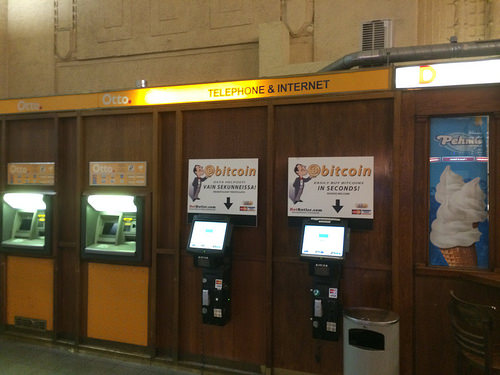
bitcoin, the pioneering cryptocurrency, has evolved from a speculative asset into a practical medium of exchange. Increasingly, individuals and businesses are utilizing bitcoin to purchase a wide range of goods, access diverse services, and even acquire real estate. This article explores how bitcoin functions in these various transactions, outlining the processes, benefits, and challenges involved. By understanding the practical applications of bitcoin in everyday commerce and property markets, readers can gain insight into its growing role in the modern economy.
Understanding bitcoin Transactions for everyday Purchases
When using bitcoin for everyday purchases, it’s essential to understand how transactions work on a technical level. Each transaction involves sending bitcoin from your digital wallet to the vendor’s address. Unlike conventional payments, bitcoin transactions are recorded on a decentralized ledger called the blockchain, ensuring transparency and security. Though, confirmation times can vary depending on network congestion, which may affect the immediacy of your purchase.
To smoothly complete a bitcoin transaction, you typically need three key pieces of information: the recipient’s wallet address, the amount in bitcoin, and the current network fee. Fees fluctuate according to demand, and selecting an appropriate fee ensures timely confirmation. Many payment platforms simplify this process by allowing users to enter amounts in their local currency, automatically converting it to bitcoin at the current exchange rate.
Here’s a rapid overview of the transaction process:
- Initiate Payment: Enter the vendor’s bitcoin address and amount.
- Confirm Transaction: Authorize using your wallet’s security features.
- Wait for Confirmation: Miners validate the transaction on the blockchain.
- Completion: payment status updates; goods or services are delivered.
| Step | Action | Typical Duration |
|---|---|---|
| 1 | send bitcoin | Instant |
| 2 | Network Confirmation | 10 minutes to 1 hour |
| 3 | Merchant Verification | Varies by vendor |

Navigating bitcoin Payments in Service Industries
Accepting bitcoin payments in service industries has grown increasingly viable as digital currencies gain mainstream traction. Many businesses now integrate user-friendly crypto payment gateways that facilitate instant and secure transactions, eliminating the need for traditional intermediaries. This shift not only reduces processing fees but also broadens customer reach, as clients who prefer cryptocurrencies can effortlessly pay for services ranging from consulting to hospitality.
When implementing bitcoin payments, businesses should consider critical factors such as transaction speed, volatility, and regulatory compliance. While bitcoin networks typically confirm transactions within minutes, certain sectors may require additional verification to ensure legitimacy. In addition, adopting real-time conversion tools can help mitigate risks related to bitcoin’s price fluctuations, ensuring service providers receive accurate fiat value upon payment.
Below is a quick overview of typical bitcoin payment features tailored for different service industries:
| Service Type | Payment Advantages | Key Considerations |
|---|---|---|
| Freelance & Consulting | Fast settlements, global reach | Invoice tracking, tax reporting |
| Hospitality & Tourism | lower fees, customer privacy | Volatility management, refund policies |
| Healthcare Services | secure payments, reduced fraud risk | Compliance with local laws |
- Integration: Choose platforms that offer seamless bitcoin payment solutions compatible with existing POS systems.
- Customer experience: Ensure intuitive payment flows to avoid confusion and improve adoption rates.
- Security: Adopt robust cryptographic wallet management and multi-factor authentication to safeguard funds.
Evaluating the Benefits and Risks of Using bitcoin in real Estate
Using bitcoin to purchase real estate introduces a novel dynamic to property transactions,harnessing the benefits of a decentralized digital currency. One major advantage lies in the speed and efficiency of transfers, especially in cross-border deals, where bank wire delays and exchange rates can complicate payments. Additionally,bitcoin offers a level of transparency and security through blockchain technology,helping to reduce fraud risks while maintaining privacy for buyers and sellers alike.
Though, risks must be carefully considered. The price volatility of bitcoin can complicate the valuation of real estate deals, sometimes requiring rapid adjustments or hedging strategies. Regulatory uncertainty is another concern, as legislation surrounding cryptocurrency varies widely by jurisdiction and can impact the legality or tax implications of property transactions. Moreover, not all real estate markets or sellers accept bitcoin, which can limit its practical use.
To clarify the major benefits and risks, consider the following comparison:
| Aspect | Benefits | Risks |
|---|---|---|
| Transaction Speed | Instant or near-instant clearance worldwide | Network congestion can slow confirmations |
| Transparency & Security | Immutable ledger reduces fraud | Irreversible transactions increase error risk |
| Market Acceptance | Growing adoption among forward-thinking sellers | Limited acceptance still common |
| Price Stability | Potential for value thankfulness | High volatility complicates pricing |
Practical Tips for Safely Buying Property with bitcoin
When considering the purchase of property using bitcoin, due diligence is paramount. Start by verifying the legitimacy of the seller and the property title through proper legal channels. Partnering with a real estate attorney familiar with cryptocurrency transactions can definately help navigate the complexities and ensure compliance with local regulations. Avoid making impulsive decisions based solely on the novelty of using bitcoin.
To protect your investment, use reputable escrow services that specialize in cryptocurrency deals. Escrow acts as a neutral third party, holding the bitcoin until all terms of the sale are satisfactorily met, reducing the risk of scams or fraud. Additionally, confirm the transaction details multiple times, since once a bitcoin transfer is made, it cannot be reversed.
Keep meticulous records of every step involving the bitcoin transaction and property transfer,including payment confirmations and legal contracts.This documentation will be crucial for tax reporting and future reference. Below is a quick checklist to consider when buying property with bitcoin:
- Verify seller’s identity and property ownership
- Engage a real estate attorney experienced in crypto transactions
- Utilize a trusted crypto escrow service
- Confirm transaction details before transfer
- Maintain comprehensive transaction documentation
Q&A
Q&A: bitcoin Usage – Buying Goods, Services, and Real Estate Explained
Q1: What is bitcoin and how does it function as a payment method?
A1: bitcoin is a decentralized digital currency that operates on blockchain technology. It allows peer-to-peer transactions without intermediaries like banks.Users send bitcoin from digital wallets to merchants or individuals, where transactions are verified and recorded on the blockchain.
Q2: Can bitcoin be used to buy everyday goods and services?
A2: Yes, many retailers and service providers accept bitcoin as a form of payment. These range from online stores and restaurants to travel agencies and professional services. Payment processors like BitPay and Coinbase Commerce facilitate bitcoin payments,converting them into local currency if required.
Q3: What are the advantages of using bitcoin for purchasing goods and services?
A3: bitcoin provides benefits such as lower transaction fees compared to credit cards, faster cross-border payments, increased privacy, and protection from chargebacks. It also enables access to global markets where traditional banking is limited.
Q4: Are there any limitations to using bitcoin for everyday purchases?
A4: Limitations include price volatility, limited merchant acceptance compared to traditional money, and slower transaction confirmation times relative to instant digital payments. Additionally, some users may find the technical aspects of using bitcoin wallets challenging.
Q5: How is bitcoin used in real estate transactions?
A5: bitcoin can be used to purchase real estate by either direct payment to sellers who accept it or through escrow services that convert bitcoin to fiat currency. Increasingly, some brokers and platforms specialize in bitcoin-based property deals, offering a smoother integration of crypto into real estate.
Q6: what are the benefits of buying real estate with bitcoin?
A6: Using bitcoin for real estate can streamline international transactions, reduce transaction costs, and provide pseudonymous payment options. It may also attract tech-savvy buyers and offer quicker settlements when all parties agree on the process.
Q7: What challenges exist when using bitcoin for real estate?
A7: Challenges include legal and regulatory uncertainty, tax implications, the need for clear valuation due to bitcoin’s price volatility, and finding sellers willing to accept cryptocurrency. Additionally, escrow and title companies may have limited experience handling bitcoin deals.
Q8: Is bitcoin a practical payment method for everyone?
A8: While bitcoin offers unique advantages, its practicality depends on user familiarity, merchant acceptance, and specific transaction needs. For routine purchases, it may complement other payment methods. For larger transactions like real estate, thorough due diligence is essential.
Q9: How can buyers and sellers stay informed about bitcoin payment options?
A9: Keeping up with developments in cryptocurrency adoption, payment processors, and regulatory changes is key. Many websites track merchants accepting bitcoin, and consulting with financial and legal experts can help navigate complex transactions.
Q10: What is the future outlook for bitcoin usage in buying goods, services, and real estate?
A10: bitcoin’s usage is expected to grow as adoption widens, payment infrastructure improves, and regulatory clarity increases. Innovations like layer 2 solutions and stablecoins may reduce volatility and transaction costs, making bitcoin a more practical currency for diverse purchases including real estate.
In Summary
bitcoin continues to expand its role as a versatile medium of exchange, increasingly accepted for purchasing goods, services, and even real estate. While its decentralized nature and ease of transfer offer clear advantages, users should remain mindful of factors such as market volatility, transaction fees, and regulatory considerations. As adoption grows and infrastructure improves, bitcoin’s potential to complement traditional payment methods becomes more tangible, signaling a significant evolution in how value is transferred across global economies.