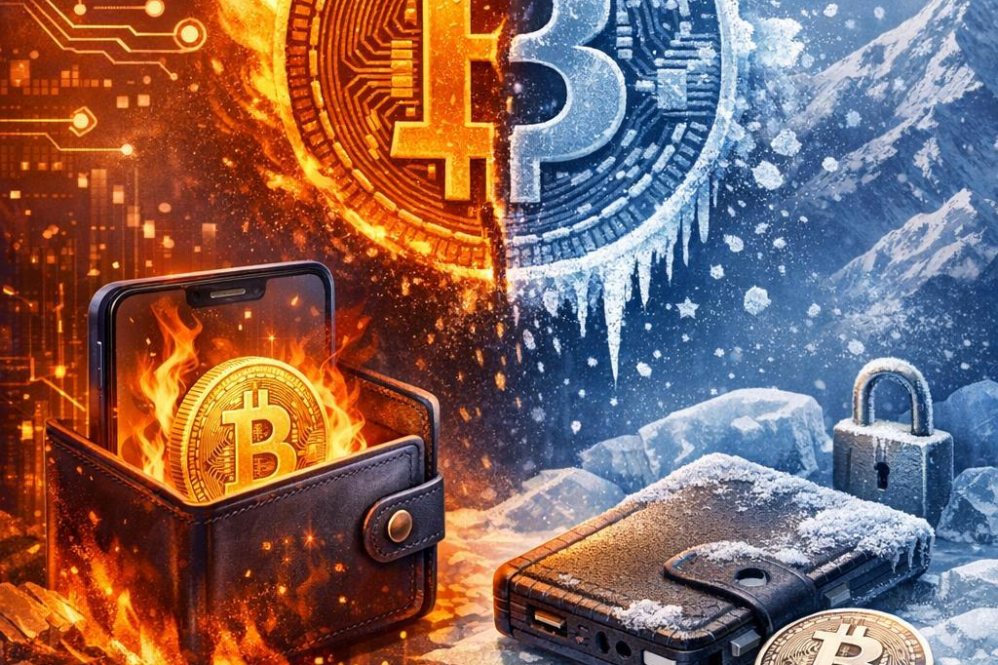
bitcoin Storage fundamentals and the Importance of Wallet Selection
When it comes to safeguarding your bitcoin, understanding the core differences between wallet types is essential. Hot wallets are connected to the internet, offering speedy and easy access for frequent transactions. Their convenience, tho, comes with an inherent risk of exposure to online threats such as hacking and phishing. Hot wallets typically include mobile apps, desktop software, and web wallets, each catering to varying user preferences but sharing the same vulnerability to cyber attacks.
Cold wallets, in contrast, provide a higher level of security by storing bitcoin offline. This isolation from the internet significantly mitigates risks related to unauthorized access and malware.Common cold storage options include hardware wallets and paper wallets, both designed to keep private keys in environments immune to digital intrusion. for investors prioritizing long-term holding, cold wallets are often considered indispensable for preserving assets safely.
| Feature | Hot Wallets | Cold Wallets |
|---|---|---|
| Connectivity | Online | Offline |
| Security Level | Moderate | High |
| Use Case | Daily Transactions | Long-Term Storage |
| Risk of Theft | Higher | Lower |
The choice between hot and cold wallets ultimately depends on your bitcoin usage patterns and security needs. For active traders or users requiring fast access,hot wallets provide unmatched versatility. Simultaneously occurring,long-term holders benefit from the enhanced protection cold wallets ensure,drastically reducing exposure to cyber threats. Balancing convenience and security by integrating both wallet types can create an effective strategy for bitcoin storage and asset management.
Understanding Hot Wallets Their Features and Security Considerations
Hot wallets are digital cryptocurrency storage solutions that remain connected to the internet, enabling swift and convenient access to assets. Their primary appeal lies in usability; traders and everyday users benefit from effortless transactions without the delays associated with offline storage. These wallets are frequently enough integrated into mobile apps, desktop programs, or web-based platforms, offering seamless synchronization across devices. However, this perpetual online presence necessitates a robust understanding of security protocols to avoid vulnerabilities inherent to internet-connected systems.
Key features of hot wallets include:
- Instant accessibility for trading, payments, and transfers
- User-pleasant interfaces designed for speed and convenience
- compatibility with various cryptocurrencies and exchange platforms
Despite their advantages, hot wallets demand increased vigilance as they are prime targets for hackers, phishing scams, and malware attacks. Security considerations must prioritize measures such as two-factor authentication (2FA), strong password policies, and the use of reputable providers. Users should also be mindful of the trade-off between accessibility and exposure, understanding that the ease of online access can sometimes translate into elevated risk levels. Employing regular software updates and cautious handling of private keys can mitigate these risks but cannot eliminate them entirely, distinguishing hot wallets from their cold counterparts.
| Feature | Benefit | Security Risk |
|---|---|---|
| Online Connectivity | Immediate transaction execution | Susceptible to hacking |
| Ease of Use | Accessible for daily activities | Potential phishing attacks |
| Multi-Device Sync | Convenient management | Exposure through shared networks |
In-Depth Analysis of Cold Wallets advantages and Long-Term Security
One of the most compelling benefits of cold wallets is their superior protection against online threats. Since cold wallets operate fully offline, they are inherently immune to hacking attempts, malware, phishing attacks, and other cyber vulnerabilities that often target hot wallets. This offline nature ensures that private keys, the critical credentials to access bitcoin holdings, never leave the secure environment of the device or paper storage, thereby drastically reducing the risk of unauthorized access.
Long-term security is another pivotal advantage. Cold wallets are ideal for investors who prioritize the safekeeping of their assets over extended periods without frequent transactions. Their resilience to environmental variables can be further enhanced by using durable mediums like hardware wallets sealed in tamper-evident cases or cryptographically secured paper backups stored in secure physical locations. This approach not only preserves the integrity of the stored bitcoin but also mitigates risks such as data corruption, device failure, or loss due to natural disasters.
Below is a concise comparison outlining critical security factors that highlight why cold wallets dominate long-term storage strategies:
| Security Aspect | cold Wallet | Hot Wallet |
|---|---|---|
| Exposure to Online Threats | None (Offline) | High |
| Physical Theft risk | Moderate (Dependent on storage) | Low |
| Ease of Recovery | High (Seed phrases, backups) | Variable |
| Maintenance Needs | Minimal | Frequent updates and vigilance |
Comparative Evaluation of Hot and Cold Wallets Use Cases and Risks
When deciding how to store bitcoin, understanding the distinct advantages and limitations of hot wallets and cold wallets is crucial. Hot wallets, connected to the internet, offer unparalleled convenience and accessibility, making them ideal for frequent transactions and daily use. However, this constant online presence renders them more vulnerable to hacking, phishing attacks, and malware. Conversely, cold wallets remain offline, safeguarding assets against digital breaches, but they lack the immediacy and ease of access necessary for quick transactions.
The use cases for each wallet type reflect these trade-offs. Hot wallets are favored by traders and users who prioritize speed and seamless interaction with decentralized applications or exchanges. They support multiple device synchronizations and facilitate multi-signature setups, enhancing flexibility. Cold wallets are the preferred choice for long-term investors and custodians who emphasize security above all else. By storing private keys in hardware devices or paper formats disconnected from the internet, they mitigate the risk of cyber theft but require more careful handling and backup strategies.
| Aspect | Hot Wallet | Cold Wallet |
|---|---|---|
| Accessibility | Instant, web or app-based access | Requires device or physical backup retrieval |
| Security Risk | Higher due to constant internet connection | Lower; offline storage protects against remote hacking |
| ideal Use Case | Active trading, frequent payments | Long-term storage, estate planning |
| Recovery Complexity | Typically straightforward with seed phrases | Can be complex if device or paper is lost |
Choosing between hot and cold wallets entails balancing convenience and security according to your specific needs. Savvy bitcoin users frequently enough combine both, leveraging hot wallets for everyday activity while reserving cold wallets as a secure vault for their core holdings.Awareness of associated risks and operational nuances empowers individuals to adopt a tailored approach, safeguarding assets without sacrificing usability.
Strategic Recommendations for Choosing the Optimal bitcoin Storage Solution
When evaluating bitcoin storage solutions, it is essential to balance convenience with security based on your individual needs and transaction habits. For users who prioritize quick access for frequent trades or payments, hot wallets offer intuitive interfaces and immediate connectivity to the internet. However, this accessibility comes with increased exposure to hacking risks, making it prudent to limit the amount of bitcoin stored in these wallets. Conversely, cold wallets, which store assets offline, cater to long-term holders who emphasize maximum security over transaction speed.
Consider these factors when making your choice:
- Frequency of Use: Select hot wallets for daily transactions; reserve cold wallets for savings.
- Security Requirements: Opt for hardware wallets or paper wallets to minimize online vulnerabilities.
- Technical Proficiency: Ensure you understand backup and recovery procedures for cold storage.
- Amount of bitcoin Held: Larger holdings should lean towards cold wallets to mitigate risk.
| Criteria | Hot Wallet | Cold Wallet |
|---|---|---|
| Security Level | Moderate | High |
| Accessibility | Immediate | Delayed |
| Best For | Everyday Use | Long-term Storage |
| Risk Exposure | Online Threats | Physical Loss |
Best Practices for Secure Management and Backup of bitcoin Wallets
Managing and safeguarding your bitcoin wallets requires meticulous attention to security protocols. Regularly updating your wallet software ensures protection against vulnerabilities and exploits.Additionally, employing complex, unique passwords combined with two-factor authentication (2FA) significantly reduces the risk of unauthorized access. For wallets linked to online services,enabling alerts for transactions and login attempts is an effective way to monitor suspicious activities proactively.
Backups are the cornerstone of wallet security, and they must be handled with the utmost care.Creating multiple encrypted backups stored in physically separate,secure locations protects against loss due to hardware failure,theft,or natural disasters. It is vital to avoid digital-only storage of backups, such as cloud services without encryption.Instead, backups on hardware devices like USB drives or written recovery phrases kept in secure safes provide robust resilience.
For ease of understanding, here is a simple comparison table highlighting ideal backup practices for different wallet types:
| Backup Element | Cold Wallet | hot Wallet |
|---|---|---|
| Physical Storage | Offline device, secure safe | Encrypted USB, secure passwords |
| Backup Frequency | Infrequent, as access is limited | Regular, after each significant transaction |
| Encryption | Mandatory, hardware-level | Recommended, software-based |
- Never share your private keys or seed phrases online or with anyone.
- Test your backups periodically to ensure data integrity and accessibility.
- Keep your cold wallet disconnected from the internet except when absolutely necessary.
