bitcoin Reward Halving Fundamentals and Historical Context
Every 210,000 blocks, bitcoin undergoes a meaningful protocol event known as the reward halving, which systematically reduces the number of bitcoins miners receive for validating new blocks by 50%. this mechanism is an integral part of bitcoin’s deflationary monetary policy, designed to curb inflation by controlling the pace at which new bitcoins enter circulation. Initially, miners were awarded 50 bitcoins per block. However, after each halving, this reward has been halved: first to 25, then to 12.5, and currently, 6.25 bitcoins. This predictable schedule will continue until the maximum supply of 21 million bitcoins is reached, which is expected around the year 2140.
The impact of reward halvings extends beyond just the reduction in miner income. It plays a crucial role in sustaining bitcoin’s value by imposing scarcity in a digital asset that has no traditional physical limitation. Historically, each halving has been followed by heightened market speculation and notable price surges, as investors anticipate the reduction in future supply coupled with steady or growing demand. Furthermore, miners face increasing pressure to improve operational efficiencies or risk becoming unprofitable under diminishing rewards, which influences the network’s security and decentralization dynamics.
| Halving Event | Block Height | Block Reward (BTC) | Approximate Date |
|---|---|---|---|
| 1st Halving | 210,000 | 25 | November 2012 |
| 2nd Halving | 420,000 | 12.5 | July 2016 |
| 3rd Halving | 630,000 | 6.25 | May 2020 |
Key elements of bitcoin reward halving include:
- Controlled scarcity: By halving rewards periodically, bitcoin’s inflation rate diminishes, reinforcing scarcity.
- Market influence: Halvings often serve as catalysts for price rallies and marked investor interest.
- Mining economics: Miners must adapt to shrinking subsidies which influences the network’s hash rate and stability.
Mechanics Behind bitcoin Halving and Its Timing
bitcoin’s halving mechanism is rooted deeply in its underlying code, where the block reward – the incentive miners receive for validating transactions – is programmed to halve approximately every 210,000 blocks. This engineered scarcity model gradually decreases the rate at which new bitcoins enter circulation, ensuring that the maximum supply never exceeds 21 million coins. The process plays a crucial role in maintaining bitcoin’s deflationary nature, a stark contrast to traditional fiat currencies that can be printed endlessly.
The timing of each halving event is intrinsically linked to the average time it takes to mine a block, which is about 10 minutes. Though, variations in mining difficulty and network hash power mean actual halving dates can slightly shift. This dynamic adjustment mechanism ensures the network remains stable and secure despite fluctuating mining conditions. By design, as more miners compete, the network adjusts difficulty to keep block discovery near the 10-minute mark, thus preserving the roughly four-year interval between each halving.
key Impacts of the Halving Cycle:
- Reduction in miner rewards, tightening bitcoin’s supply flow.
- Perhaps increased market value due to scarcity signals.
- Enhanced network security incentives aligning with long-term sustainability.
| Halving Event | Block Number | Block Reward (BTC) | Year Occurred |
|---|---|---|---|
| 1st Halving | 210,000 | 25 | 2012 |
| 2nd Halving | 420,000 | 12.5 | 2016 |
| 3rd Halving | 630,000 | 6.25 | 2020 |
Economic Implications of Halving on bitcoin supply and Demand
The halving event in bitcoin’s network reduces the rewards miners receive by 50% approximately every four years, directly influencing the cryptocurrency’s supply dynamics. As mining rewards decrease, the influx of new bitcoins entering the market slows down, tightening the overall supply. This scarcity mechanism is designed to mimic precious metals like gold, ensuring a capped supply of 21 million bitcoins. Consequently, with fewer coins released per block, the scarcity enhances bitcoin’s intrinsic value over time, often stimulating increased demand among investors seeking long-term appreciation.
On the demand side, halvings often create significant market anticipation, leading to heightened investor interest and speculative behavior. Traders and holders tend to expect price appreciation well ahead of the halving event, driven by the economic principle of supply and demand. This anticipation can result in price rallies prior to the halving and periods of volatility post-event as the market digests the new equilibrium. Moreover, reduced miner income forces shifts in mining operations, potentially consolidating mining power and contributing to network security and decentralization changes.
| Economic Factor | Pre-Halving Effect | Post-Halving Effect |
|---|---|---|
| supply | Higher new bitcoin issuance | Supply growth cut in half |
| Demand | Building investor interest | Increased scarcity-driven demand |
| Market Sentiment | Speculation and price buildup | Price adjustment and potential volatility |
| Mining Economics | More block rewards | Decreased rewards, efficiency optimization |
Effects of Halving on Miner Incentives and Network Security
The reduction in block rewards caused by halving directly alters the economic incentives for miners, making each newly mined bitcoin more scarce. This scarcity often translates to higher bitcoin prices, which can preserve miner profitability despite earning fewer coins per block.Though, miners operating on thinner margins or using outdated hardware may find it unfeasible to continue, potentially leading to a temporary decline in the network’s overall hash rate.
Key influences on miner behavior include:
- Adjustments in mining strategies to optimize energy efficiency
- potential consolidation among mining pools to maintain profitability
- reevaluation of mining equipment investments focusing on long-term gains
| Mining Metric | Pre-Halving | Post-Halving |
|---|---|---|
| Block Reward | 12.5 BTC | 6.25 BTC |
| Average Hash Rate | High | Variable – frequently enough dips initially |
| Miner Profit Margin | Moderate to High | Compressed unless BTC price rises |
Network security, closely tied to mining activity, can momentarily fluctuate as miners adjust to the new reward mechanics. While a decrease in hashing power might introduce slight vulnerabilities, the protocol’s design includes difficulty adjustments to recalibrate mining challenges approximately every two weeks. Thes changes act as a self-correcting mechanism to ensure consistent block times and maintain network integrity over the long term.
Market Reactions and Price Trends following Halving Events
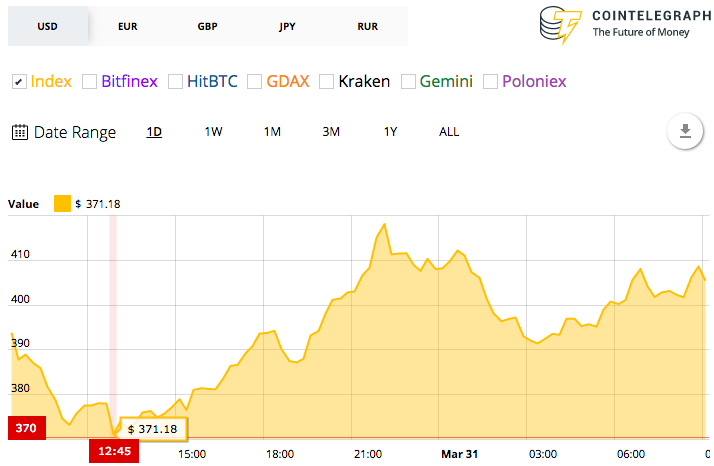
Historically, halving events have triggered a spectrum of market reactions ranging from heightened volatility to sustained bull runs. Investors and traders frequently enough anticipate a supply shock as the block reward is slashed, resulting in increased speculative activity. This cycle of anticipation and price adjustment typically starts several months before the halving, where market sentiment shifts, driving prices upward in expectation of reduced new bitcoin issuance.
Price trends post-halving frequently demonstrate a pattern of initial correction followed by a prolonged upward trajectory. In the immediate aftermath, some miners with higher operational costs may reduce their activity, exerting short-term downward pressure on prices. Though, as supply tightens, demand gains dominance. This phenomenon has been observed in previous halvings, where bitcoin’s price often reaches new all-time highs within 12 to 18 months after the halving date.
| Halving Year | Block height | Price Before Halving | Price 1 Year after | Price Trend |
|---|---|---|---|---|
| 2012 | 210,000 | $12 | $1,000 | Explosive Growth |
| 2016 | 420,000 | $650 | $2,500 | Steady Increase |
| 2020 | 630,000 | $8,700 | $57,000 | Strong Bull Run |
Market psychology plays a critical role in these trends, where investor confidence and media coverage amplify the effects of the halving. The reduction in new coin supply introduces a scarcity narrative that attracts long-term holders and institutional investors alike. While short-term fluctuations are common, the prevailing trend has been an overall increase in bitcoin’s market value, underscoring the halving’s essential impact on price discovery.
Strategic Recommendations for Investors and Miners Post-Halving
post-halving dynamics invariably reshape both the landscape and strategies for investors and miners alike. Investors should emphasize diversification within their cryptocurrency portfolio to mitigate volatility risks. the reduction in new supply frequently enough triggers bullish price movements; though, unpredictable market reactions demand prudent risk management and a long-term view anchored on fundamental analysis rather than speculative hype.
Miners face a distinct shift in operational economics as the block reward halves. To maintain profitability, it is essential to prioritize efficiency enhancements, including investing in cutting-edge mining hardware and optimizing energy consumption. Collaboration or consolidation may also become strategic pathways, enabling miners to leverage shared resources, reduce costs, and sustain network security despite lower immediate rewards.
Both groups benefit significantly from closely monitoring on-chain metrics and network health indicators. The table below highlights key metrics to watch post-halving, offering insights for timely decision-making:
| Metric | description | Post-Halving Meaning |
|---|---|---|
| Hash Rate | Network computational power | Indicator of miner activity and network security |
| Mining Difficulty | Adjusts to balance block creation time | Signals competitiveness and miner response |
| Transaction volume | Daily network transaction activity | Reflects user adoption and demand trends |