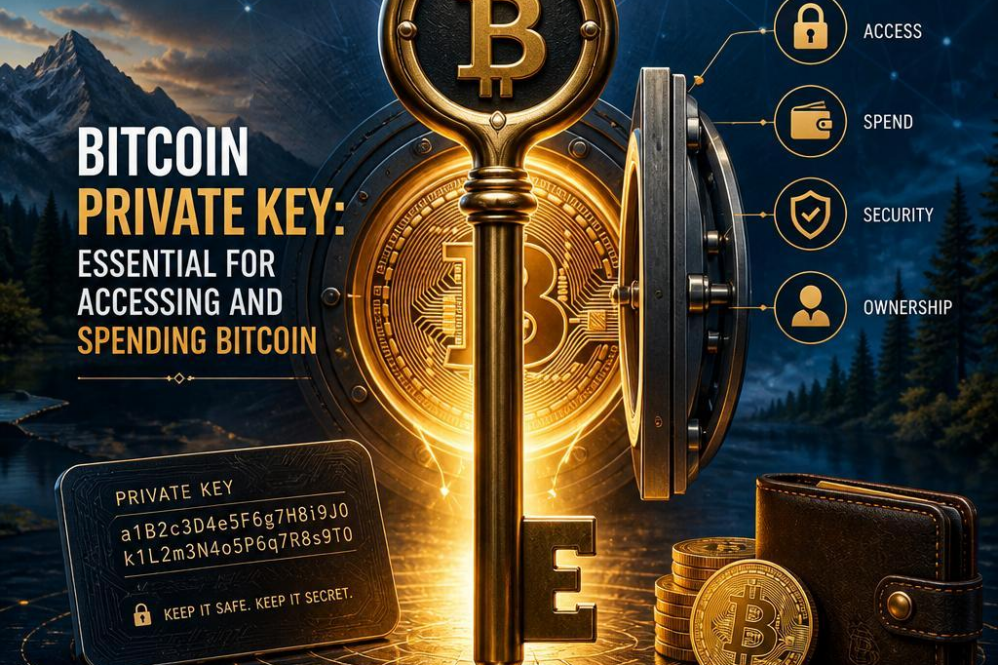
Understanding the Role and Importance of the bitcoin Private Key
A bitcoin private key serves as the essential credential that grants full control over your bitcoin holdings.It is indeed a unique alphanumeric string that acts much like a password, allowing you to sign transactions securely and prove ownership.Without posession of this key, no one can access or spend the bitcoin stored at its corresponding address. Because it is the single most critical piece of data for managing your cryptocurrency, maintaining its confidentiality and security is paramount.
The private key essentially functions as the gateway to the blockchain ledger, unlocking access to digital assets. It enables you to:
- authorize and broadcast bitcoin transactions
- Recover bitcoin funds if you have control over the wallet backup
- Verify ownership without exposing sensitive data
Misplacing or exposing your private key can lead to irreversible loss or theft, underscoring its importance. Hence, many users employ hardware wallets or encrypted storage systems to bolster protection.
| Aspect | Why It Matters |
|---|---|
| Security | Prevents unauthorized spending of bitcoin |
| Ownership Proof | Legitimizes user control over specific bitcoin |
| Access Control | Determines who can manage and transfer funds |
How bitcoin Private Keys Ensure Security and Ownership
At the core of bitcoin’s security framework lies the cryptographic strength of the private key. this secret alphanumeric code grants the holder exclusive rights to control and spend the bitcoin associated with it. Unlike traditional banking where passwords or PINs might be reset or recovered,a bitcoin private key is irreplaceable and must be safeguarded meticulously. Every transaction on the blockchain requires a digital signature created by this key, ensuring that only the true owner can authorize the movement of funds, making unauthorized access virtually unfeasible.
understanding the nature of private keys is crucial: they are generated through complex mathematical algorithms that produce a unique 256-bit number. This vast range of possibilities makes it computationally infeasible for attackers to guess or derive the private key from the corresponding public address. To further illustrate the importance of private key security,consider the following:
- Ownership Verification: The private key proves ownership; without it,bitcoin cannot be accessed.
- Secure Transactions: All outgoing transactions require a signature produced with the private key,proving consent.
- Irreplaceability: Loss of the private key means loss of access to the Bitcoins forever.
| concept | Description |
|---|---|
| Public Key | Derived from the private key; shared publicly to receive funds |
| Private Key | Only key holder can sign transactions; must remain secret |
| Digital Signature | Proof of transaction authorization with the private key |
The Process of Generating and Safeguarding Your bitcoin Private Key
Generating a bitcoin private key begins with the principle of randomness, ensuring that the key is unique and nearly impossible to predict. This key is essentially a long string of alphanumeric characters created via cryptographic algorithms designed to prevent duplication or compromise. Many wallets utilize a combination of hardware-based entropy and software algorithms to produce this critical key, serving as the foundational element for owning bitcoin. Cryptographically secure random number generators ensure the private key’s strength and uniqueness, forming the bedrock for wallet security.
Once generated,safeguarding this private key is paramount since anyone possessing it gains full control over the associated bitcoin funds. Users should store their keys offline, using methods such as hardware wallets or cold storage solutions to minimize hacking risks. Additionally, backing up the key through secure means like encrypted USB drives or trusted paper wallets provides a vital safety net. Avoiding cloud storage or online text files reduces exposure to cybersecurity threats.
To assist in safe storage and recovery, many prefer using a BIP39 mnemonic phrase, which translates the private key into a series of easy-to-remember words. This phrase acts like an encrypted password, letting users restore their wallets without exposing the original key in plain text. Below is a simplified table comparing key protection methods and their pros and cons for quick reference:
| Method | Security Level | Convenience | Risks |
|---|---|---|---|
| Hardware Wallet | High | Moderate | Physical loss or damage |
| Paper Wallet | High | Low | Physical destruction or theft |
| Encrypted USB | Moderate | Moderate | Malware or forgetting encryption key |
| Mnemonic Phrase | High | High | Exposure if handwritten insecurely |
Risks Associated with losing or Exposing Your bitcoin Private Key
Misplacing or revealing your bitcoin private key can lead to irreversible consequences. Unlike traditional banking systems, bitcoin transactions are final and cannot be reversed. If someone gains access to your private key, they essentially have full control over your funds. This vulnerability makes safeguarding your private key paramount in protecting your digital assets. once lost, your bitcoin wallets become inaccessible, effectively resulting in the permanent loss of your investment.
Exposure of your private key can lead to a variety of security risks,including identity theft and unauthorized transactions. Cybercriminals frequently enough exploit leaked keys through phishing scams, malwareor social engineering tactics. To understand the implications better, consider this simple risk matrix:
| Risk Type | potential Result | Mitigation Strategy |
|---|---|---|
| Theft of Funds | Immediate loss of bitcoin assets | Use hardware wallets and secure backups |
| Irreversible Transactions | Cannot retrieve stolen funds | Enable multi-signature wallets |
| Phishing Attacks | Compromise of private key | Verify sources and avoid suspicious links |
Preventive measures are critical to minimize these risks. Always store your private key offline in secure hardware devices or encrypted physical formats such as paper wallets locked in safe locations. Additionally, employing multi-signature wallets adds a robust layer of protection-requiring multiple approvals before transactions can proceed. Regularly updating your security protocols and educating yourself about emerging threats will help maintain control over your bitcoin holdings and mitigate the risks that come with key exposure or loss.
Best Practices for Managing and Backing Up bitcoin private Keys
Safeguarding your bitcoin private keys is paramount because these keys grant exclusive control over your digital assets. The first measure is to never share your private keys electronically or store them online. Digital environments are susceptible to hacking and malware, so cold storage methods such as hardware wallets or paper wallets remain the safest options. Hardware wallets, in particular, keep your keys offline and require physical confirmation for transactions, mitigating risks of remote theft.
Backing up your private keys demands a systematic and secure approach. Consider creating multiple backups stored in geographically diverse, secure locations. This guards against physical damage or loss from disasters. Use encrypted USB drives or write keys on durable materials resistant to water and fire. Employing a password manager with strong encryption can also help securely store private keys or backup seeds, but ensure the manager itself is safeguarded by multi-factor authentication.
| Best Practice | Recommended Tools | Security Benefit |
|---|---|---|
| Offline Storage | Hardware Wallet, Paper Wallet | Prevents online hacking |
| Multiple Backups | Encrypted USB, Fireproof Safe | Ensures recovery after loss or damage |
| Strong Encryption | Password Manager with MFA | Secures backup data access |
Lastly, regular checks of your backup integrity are essential. Periodically verify that your private keys or seed phrases are readable and intact, updating your storage mediums as needed. Remain vigilant about advancements in security protocols and implement improvements to stay ahead of evolving threats. Combining these best practices builds a robust defense around your bitcoin holdings, ensuring you retain uninterrupted access and peace of mind.
Technical Insights into Private Key Encryption and Wallet Compatibility
Private key encryption harnesses the power of asymmetric cryptography, where a unique cryptographic key duo plays a pivotal role. The private key, a secret alphanumeric string, is mathematically linked to the public key and the corresponding bitcoin address. This one-way relationship ensures that while anyone can verify a transaction with the public key, only the holder of the private key can authorize spending, safeguarding the funds from unauthorized access.
Wallet compatibility revolves around the formats and standards used to represent and secure these private keys. There are several encoded forms such as WIF (Wallet Import Format) and hexadecimal, each tailored to the requirements of various wallet implementations. Ensuring compatibility means wallets must accurately decode the private key and safely manage its encryption,reducing risks that stem from erroneous imports or unsupported formats.
| Format | Key Length | Common Use |
|---|---|---|
| WIF | 51 characters (Base58Check) | Standard wallet imports |
| Hexadecimal | 64 characters | Raw private key depiction |
| BIP38 Encrypted | Typically 58 characters | Encrypted private key for added security |
Understanding these technical aspects is crucial not only for secure bitcoin management but also for interoperability between wallets, particularly when transferring or recovering funds. Developers and users alike must prioritize safeguarding the private key in its compatible format to ensure seamless access and the integrity of the bitcoin ownership model.