May 24, 2026

Capitalizations Index – B ∞/21M

Bitcoin Mining Consumes Over 3X the Energy of Gold Mining: Research

Bitcoin mining consumes over 3x the energy of gold mining: research

Bitcoin Mining Consumes Over 3X the Energy of Gold Mining: Research


Bitcoin mining consumes over 3x the energy of gold mining: research
Advertisement


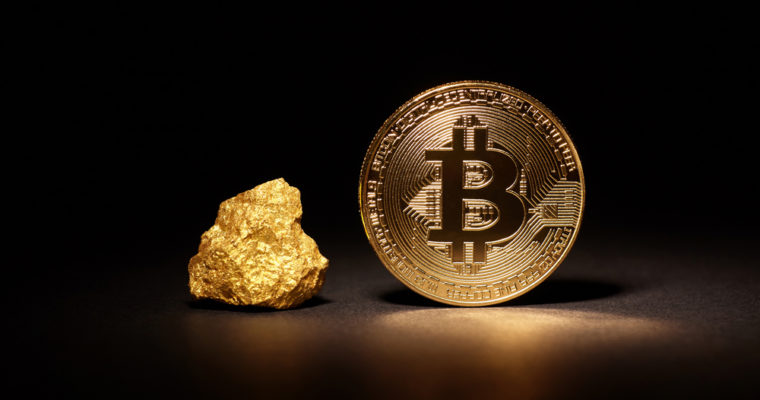
A new paper indicates that the energy required to mine cryptocurrencies is more than what is consumed when excavating for metals of equivalent dollar value.

In the paper which was published on November 5 by the Nature journal, researchers at the Cincinnati, Ohio-based Oak Ridge Institute noted that bitcoin consumes more than three times the energy taken to produce an equivalent value of gold in dollar terms.

According to the report, between the beginning of 2016 and mid this year, the energy required to mine bitcoin worth US$1 was 17 megajoules while the energy required to mine gold of the equivalent dollar value was 5 megajoules. Other cryptocurrencies such as litecoin, ethereum and monero also required more energy to mine than gold of equivalent value.

Aluminum – the Energy Guzzler of Metals

The only metals whose mining process consumed more energy than the equivalent dollar value of bitcoin and the three other major cryptocurrencies were aluminum, which required 122 megajoules, and rare earth oxides (REOs), which required 9 megajoules. Platinum Group Metals (PGMs) consumed just as much energy as what it took to mine ethereum and litecoin – 7 megajoules.

“As an average of all days from 1 January 2016 to 30 June 2018, to generate US$1, we estimate that bitcoin, Ethereum, Litecoin and Monero mining required 17, 7, 7 and 14 MJ, respectively. In comparison, we estimate that mining aluminum, copper, gold, PGMs and REOs required 122, 4, 5, 7 and 9 MJ to generate US$1,” noted the paper titled ‘Quantification of energy and carbon costs for mining cryptocurrencies’.

Additionally, the paper observed that the carbon footprint left by the mining of cryptocurrencies is dependent on the country where the activity is taking place. With Canada possessing cheaper and cleaner energy than China, for instance, crypto mining in the latter was found to be releasing four times the carbon emissions of the former on average.

Measured Outlook

Unlike another recent research paper which painted a doomsday scenario projecting that the mining of cryptocurrencies will have catastrophic effects on the environment, the paper written by Max J. Krause and Thabet Tolaymat, instead notes that the adoption of new technologies could minimize the impact citing the example of Monero’s hard fork and the planned change in the consensus mechanism of Ethereum:

“…Monero’s hard fork … on 6 April 2018, … indicates a considerable drop in network energy demand. Moreover, Ethereum’s future move to proof-of-stake could reduce long-term network energy requirements. Therefore, future environmental impacts for any of the cryptocurrencies on a per-coin-mined basis may be greater or less than those determined in our current assessment.”

The Oak Ridge Institute study comes around two months since it was reported that the mining of gold requires 20 times more energy than bitcoin.

https://twitter.com/CryptoCoinsNews/status/1040671528797577216

However, as noted at the time, the figure did not compare the equivalent dollar value of what was mined but rather the total amount of energy consumed in mining bitcoin versus what was expended in producing gold per year. The value of gold or bitcoin produced in the estimate was thus not taken into account.

Featured image from Shutterstock.

Follow us on Telegram or subscribe to our newsletter here.

Advertisement


Published at Thu, 08 Nov 2018 09:37:36 +0000
Previous Article

Law Firm Perkins Coie Adds Ex-CFTC Counsel to Dedicated Crypto, Blockchain Group

Next Article

Ethereum Founder: “1000x Will Happen”, Crypto Memes, Big Rally Ahead?

You might be interested in …

Satoshi square's first trade

Satoshi Square’s first trade

Satoshi Square’s first tradeSatoshi Square LABy pinguino on 2013-06-12 07:07:14[wpr5_ebay kw=”bitcoin” num=”1″ ebcat=”” cid=”5338043562″ lang=”en-US” country=”0″ sort=”bestmatch”]

Let’s Talk Bitcoin! #363 – Three Hitlers!

The Let’s Talk bitcoin Network Let’s Talk bitcoin! #363 – Three Hitlers! On Today’s Episode… Stephanie Murphy, Andreas Antonopoulos, Jonathan Mohan and Adam B. Levine sit down for their last recording before they’re all on-stage […]

Op Ed: Launching an ICO? Follow This Advice from the SEC

Op Ed: Launching an ICO? Follow This Advice from the SEC

Lost in the headlines over the SEC’s recent pronouncements on cryptocurrency was important practical advice for both promoters of and participants in initial coin offerings (ICOs).

Most coverage was rightfully garnered from the Report by the SEC’s enforcement division which deemed that DAO Tokens are securities, after subjecting the offering to the Howey test. However, the simultaneously issued Investor Bulletin should also be closely read by issuers of ICOs and their counsel.

Advice for Issuers and Counsel

Even though the bulletin was prepared as a cautionary statement to investors, it contains at least one disclaimer (in boldface type) that attorneys advising ICOs should add the following language to any offering document or white paper:

Investing in an ICO may limit your recovery in the event of fraud or theft. While you may have rights under the federal securities laws, your ability to recover may be significantly limited.

We have previously discussed the importance of these disclaimers and risk factors. By discussing the vulnerabilities of cryptocurrency exchanges and the potential difficulties associated with any recovery of invested or stolen funds, the SEC signals at least some of the risk factors counsel should consider adding to ICO offering materials.  

In fact, prudent attorneys advising their ICO clients would be wise to employ the cut-and-paste function, adding the above caveat to all their documents.

This additional wording is significant in that it spells out three key characteristics of ICOs:

(i) the difficulty of tracing or securing virtual currency;

(ii) the international scope of ICOs; and

(iii) the fact that lack of any central authority may limit an investor’s remedies against an issuer.

Practical Advice for Investors

Besides the usual bromides about being wary of any offer that sounds “too good to be true,” the SEC demonstrated an appreciation for the unique due diligence required in carefully evaluating an ICO.

According to the bulletin, investors should “ask whether the blockchain is open and public, whether the code has been published, and whether there has been an independent cybersecurity audit.” The SEC is communicating that those factors are indicative of companies whose products are verifiably real and secure.

Given the importance the SEC placed on these three items, rather than await questions, such points should be clearly addressed by an issuer in its ICO materials distributed to potential investors. Issuers of ICOs should include those factors and other “good facts” that can help to demonstrate their product’s value, security and legitimacy.

While the recent flurry of documents emanating from the SEC likely has given issuers of ICOs and their counsel pause (and caused them to walk each token through the Howey test), it does not appear to have stifled these transactions.

However, where the report reiterates the conceptual framework under which any potential token offering be evaluated to determine whether it constitutes a securities offering, the bulletin provides practical advice, and investors should expect to see some of the SEC’s language repeated in ICO offering documents going forward.

This is a guest post by Gray Sasser and Joshua Rosenblatt. The views expressed do not necessarily reflect those of bitcoin Magazine or BTC Media.

The post Op Ed: Launching an ICO? Follow This Advice from the SEC appeared first on Bitcoin Magazine.