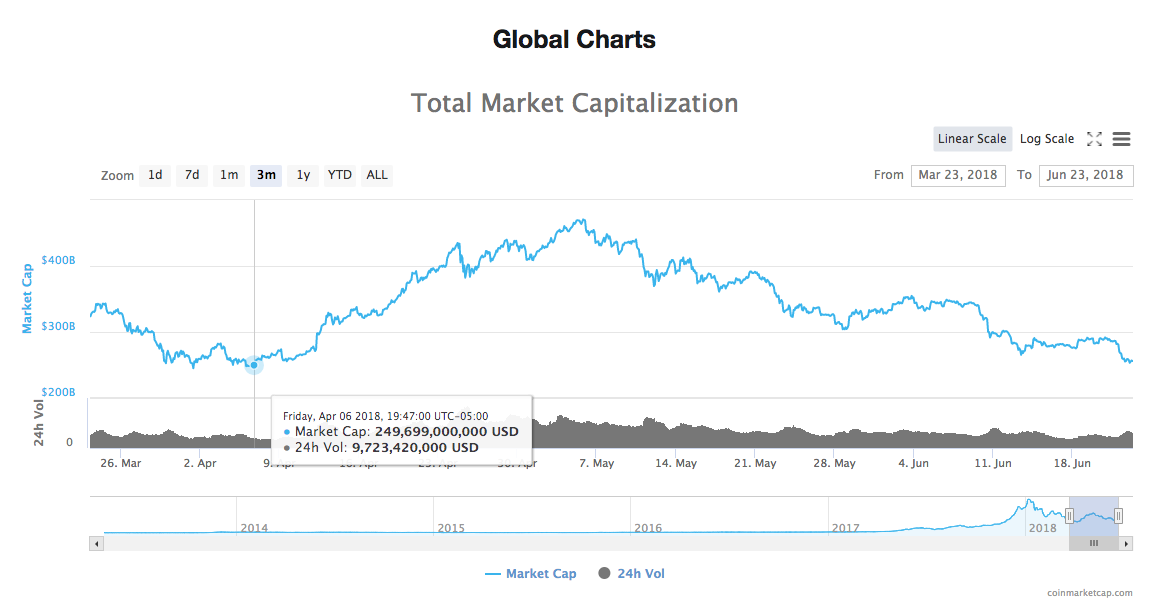
bitcoin Volatility and Market Dynamics Impacting Investment Decisions
Volatility remains the defining feature of bitcoin’s market behavior, with price swings that frequently enough exceed those of customary assets. This erratic nature is fueled by factors such as speculative trading, regulatory developments, and macroeconomic events, making it both a haven for traders seeking outsized returns and a challenge for conservative investors. Understanding these dynamics is crucial, as the magnitude and frequency of price changes can dramatically alter portfolio risk profiles and investment horizons.
Key contributors to bitcoin’s volatility include:
- Market liquidity fluctuations influenced by crypto exchange operations and investor sentiment
- Regulatory announcements from governments worldwide that rapidly reshape market expectations
- Technological advancements and forks that impact network security and functionality
- Macro factors such as inflation rates, currency devaluation, and global financial crises
| Factor | Impact on Volatility | Investment Implication |
|---|---|---|
| Regulatory News | High | Short-term price shocks; increased due diligence required |
| Market Liquidity | moderate | Potential for abrupt price moves; careful entry and exit needed |
| Technological Changes | Variable | May enhance or undermine confidence; affects long-term viability |
| Macroeconomic Events | High | Correlated with traditional markets; diversification considerations |
Evaluating the Regulatory Landscape and Security Concerns in bitcoin Investment
As bitcoin continues to captivate the attention of investors worldwide, it remains crucial to navigate the complex and evolving regulatory frameworks that govern its trading and ownership. Jurisdictions vary widely in their approach, ranging from outright bans to extensive integration within financial systems.Regulatory clarity-or the lack thereof-can significantly influence market confidence and the legal risks for investors. Broadly, governments focus on:
- Anti-Money Laundering (AML) Compliance: Ensuring that bitcoin transactions are traceable and do not facilitate illicit activities.
- Taxation policies: Defining how gains from bitcoin investments are taxed, including capital gains and income tax implications.
- Consumer Protection Regulations: Mandating openness and safeguards for retail investors in the cryptocurrency space.
Security concerns intertwine tightly with regulatory issues. Despite blockchain’s inherent robustness, bitcoin remains vulnerable to breaches through exchanges, wallets, and infrastructure failures. Investors face risks such as phishing scams, exchange insolvencies, and cyberattacks. Understanding these threats involves recognizing the essential security measures:
- Cold Storage Solutions: Storing bitcoin offline to reduce exposure to online hacking attempts.
- Two-Factor Authentication (2FA): Increasing account security by requiring multiple verification steps.
- Regular Software Updates: Ensuring wallet and exchange platforms are fortified against known vulnerabilities.
| security Aspect | Risk | Recommended Action |
|---|---|---|
| Exchange Hacking | Loss of funds | Use reputable exchanges, withdraw to personal wallets |
| Phishing Scams | Credential theft | Verify URLs, enable 2FA |
| Regulatory Non-Compliance | Legal penalties | Follow local laws, consult legal experts |
Analyzing Long Term Growth Potential Versus Short Term Market Fluctuations
when evaluating bitcoin as an investment vehicle, one must distinguish between its inherent volatility and its potential for sustained growth over time.Market behavior in the short term is often influenced by speculative trades, regulatory news, and macroeconomic events, creating sharp price swings that may alarm risk-averse investors. However, these fluctuations do not inherently negate bitcoin’s narrative as a groundbreaking digital asset with a capped supply, fostering a scarcity that could drive value appreciation in the long run.
Key considerations distinguishing long-term potential from short-term risks include:
- Technological Adoption: Expanding global acceptance of bitcoin as a payment method,store of value,and hedge against inflation.
- Regulatory Evolution: How governmental policies might either hinder or support mainstream integration.
- Market Sentiment Cycles: Recognition of recurrent boom and bust phases that have historically been followed by recovery and growth.
| Factor | Short-Term Impact | Long-Term Implication |
|---|---|---|
| Price Volatility | High fluctuations cause rapid gains or losses | Establishes entry points for disciplined investors |
| Network Upgrades | May cause temporary uncertainty | Enhances scalability and security, fostering trust |
| Institutional Interest | Can spark speculative rallies | Signals growing legitimacy and market maturity |
Strategic Approaches to mitigate Risks and Maximize Returns in bitcoin Portfolio Management
Effective portfolio management in the realm of bitcoin investment demands a balanced fusion of risk mitigation and return optimization strategies. Central to this approach is the practice of diversification,which spreads exposure not only across different cryptocurrencies but also includes traditional assets to cushion against the inherent volatility of bitcoin. Investors should rigorously analyze market trends, employing both quantitative models and expert insights to adjust their asset allocation dynamically.
Risk control mechanisms such as stop-loss orders and regular portfolio rebalancing play a crucial role in safeguarding investments. Stop-loss orders help cap potential losses during sharp market downturns, while rebalancing ensures the portfolio aligns with predefined risk tolerance and investment goals. Utilizing advanced analytics to monitor market sentiment and incorporating hedging instruments like bitcoin futures or options can also add layers of protection without sacrificing the potential for gains.
| Strategy | Purpose | Key Benefit |
|---|---|---|
| Diversification | Reduce volatility | smoother returns |
| Stop-Loss Orders | Limit losses | Preserve capital |
| Rebalancing | Maintain risk profile | Consistent growth |
| Hedging | Offset risks | Risk mitigation |
Consistency in applying these strategic measures, combined with ongoing education about evolving blockchain technologies and market shifts, arms investors with the expertise to confidently navigate bitcoin’s complex landscape. Implementing a disciplined investment approach grounded in data and risk-awareness not only strengthens portfolio resilience but also amplifies the opportunities to capitalize on bitcoin’s rewarding potential.