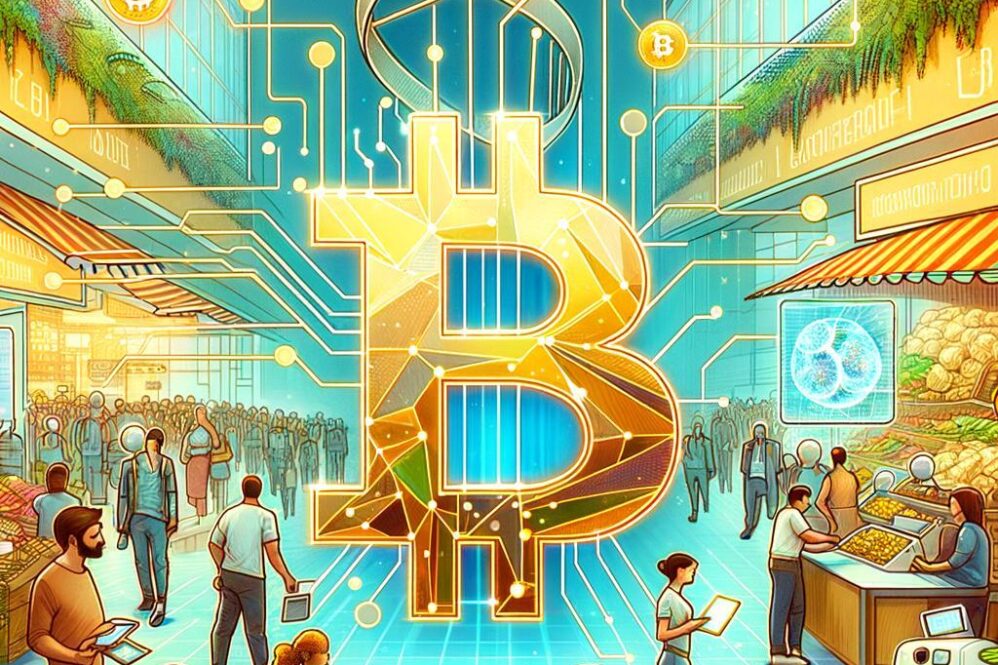
– Understanding the Increasing adoption of bitcoin in Everyday Transactions
The rise of bitcoin as a viable medium for daily transactions stems from its unique ability to provide fast,borderless,and secure payments. Unlike customary currencies, bitcoin operates on a decentralized ledger technology that eliminates the need for intermediaries such as banks or payment processors. This efficiency translates into lower transaction fees and quicker settlements, especially useful for microtransactions and cross-border payments that have typically been slower and costlier with conventional methods.
Key factors driving bitcoin’s growing everyday use include:
- Increasing merchant acceptance, from cafés and retailers to online service providers.
- Growth of user-amiable wallets and payment solutions reducing technical barriers.
- Rising consumer awareness and trust following improved regulatory clarity in many regions.
- Integration with point-of-sale systems enabling real-time bitcoin payments.
Though, adoption rates vary substantially across different sectors and geographies. The table below illustrates the comparative bitcoin acceptance in daily purchase domains, revealing were adoption is strongest and where challenges remain:
| Sector | Merchant Adoption | Consumer Frequency | Common Barriers |
|---|---|---|---|
| Cafés & Restaurants | high | Moderate | Volatility concerns, POS integration |
| Retail & E-commerce | Moderate | Low to Moderate | Payment speed, consumer trust |
| Service Providers | Growing | Low | Regulatory ambiguity, transaction fees |
| Transport & Travel | Emerging | Low | Merchant infrastructure, complexity |
– Evaluating the Spectrum of Merchant Acceptance and Integration Challenges
The landscape of merchant acceptance for bitcoin remains uneven, influenced by a web of technical, financial, and regulatory factors. While an increasing number of retailers express openness to cryptocurrency payments, the reality of integration often presents hurdles that temper enthusiasm. Many businesses grapple with understanding the volatility risks, transaction speed concerns, and the complexities of choosing between custodial wallets or direct on-chain payments. Such challenges can result in inconsistent user experiences and hesitation among merchants to fully commit to bitcoin as a regular payment option.
Operational integration issues also play a significant role. Businesses must adapt point-of-sale systems, train staff, and ensure seamless reconciliation with their existing accounting frameworks. this process is compounded by the absence of global payment standards tailored to cryptocurrencies,causing fragmentation in acceptance methods. Such as, some merchants rely on third-party payment processors that instantly convert bitcoin to fiat currency, reducing exposure to price swings but adding layers of cost and dependency. Others prefer direct on-chain payments but face longer confirmation times, which may disrupt the flow of fast-paced retail environments.
| Challenge | Implication | Merchant Response |
|---|---|---|
| Price Volatility | Risk of financial loss | Use payment processors to convert instantly |
| Technical Complexity | Integration delays and costs | Hire specialists or partner with fintech firms |
| Regulatory Uncertainty | Compliance risk and uncertain legal framework | Maintain conservative policies, limit exposure |
Despite these obstacles, many merchants recognize the expanding customer demand for bitcoin payments and are gradually investing in solutions. Enhanced wallet technologies, dedicated cryptocurrency point-of-sale devices, and clearer regulatory guidance are slowly smoothing the path forward. This ongoing evolution underscores the need for a balance between innovation and pragmatism, as merchants weigh the benefits of inclusivity and broader market reach against the logistical realities of integrating digital currencies into daily commerce.
– Practical Strategies for Consumers to Utilize bitcoin Safely and Efficiently
When incorporating bitcoin into daily purchases, consumers should prioritize security by using reputable wallets and exchanges. Hardware wallets or well-established software wallets with strong encryption can protect private keys from cyber threats. Additionally, enabling two-factor authentication (2FA) on all accounts linked to bitcoin transactions adds an essential layer of defense against unauthorized access.
efficiency in transactions can be improved by understanding network fees and choosing the optimal time to execute payments. bitcoin transaction fees vary according to network congestion, so monitoring mempool status or utilizing wallets that recommend fees based on current network demand ensures payments are processed swiftly without overpaying. Consumers can also benefit from Segregated Witness (SegWit) enabled wallets, which reduce transaction sizes and costs.
to maximize convenience and broaden bitcoin’s utility,consider these practical tips:
- Shop at merchants that provide clear pricing in bitcoin to avoid fluctuating exchange-rate confusion
- use bitcoin payment processors that facilitate immediate conversion to local currency,reducing volatility risk
- Maintain a small bitcoin balance tailored for microtransactions,separating it from long-term holdings
- Leverage tools and apps that track spending patterns and relevant bitcoin price movements
| Strategy | Benefits | Best Use |
|---|---|---|
| Hardware Wallets | Enhanced security,offline storage | Long-term savings and larger transactions |
| SegWit-enabled Wallets | Reduced fees,faster confirmations | Frequent daily purchases |
| Payment processors | Instant fiat conversion,ease of use | Retail and service payments |
– Future Outlook on bitcoin’s Role in Shaping Daily Financial Interactions
bitcoin is steadily transitioning from a niche digital asset into a more mainstream medium of exchange. As payment technologies evolve and user-friendly wallets become more accessible, the cryptocurrency is poised to play a critical role in everyday transactions. This expanding utility is driven by increasing merchant adoption and the sophistication of payment infrastructures that can handle bitcoin seamlessly, even in high-volume retail environments.
Key factors shaping this evolution include:
- Improved scalability solutions reducing transaction fees and confirmation times, making bitcoin payments practical for small purchases.
- The integration of bitcoin payment options in popular point-of-sale systems, enabling brick-and-mortar stores to accept cryptocurrency as easily as cash or credit cards.
- Expanding regulatory clarity, which builds consumer trust and reduces compliance uncertainties for businesses accepting bitcoin.
| Aspect | Current State | Projected Impact |
|---|---|---|
| Transaction speed | Slow during congestion | Enhanced by layer 2 protocols, enabling near-instant payments |
| Merchant Adoption | Growing but uneven | Widespread acceptance in retail and services sectors |
| Consumer Confidence | Moderate due to volatility | Increased with better educational resources and stable payment options |
Ultimately, bitcoin’s role in daily financial interactions will be defined not just by technology but also by ecosystem-wide collaboration between developers, merchants, regulators, and users. This dynamic interplay sets the stage for a future where bitcoin is not just an investment vehicle, but a functional and trusted component of everyday commerce.