
Understanding Local Regulations and Vendor Policies on bitcoin Usage
Navigating the legal landscape of bitcoin can be tricky,especially as each place has its own rules. It’s vital to know what your local laws and guidelines are to avoid any legal issues when using bitcoin for everyday purchases. Some places might see bitcoin as a commodity, others as a form of currency, and some might require special licenses to use it. Getting a handle on these differences is crucial, as the penalties for breaking the rules can be serious.
Merchants also have different policies about accepting bitcoin, adding another layer of complexity. Some businesses might reject bitcoin because they’re worried about security or the volatility of the cryptocurrency. Others might see it as a way to attract tech-savvy customers or stand out in a competitive market. It’s important to check with specific merchants in your area to see how they feel about bitcoin and how they manage the details of accepting it as a form of payment.
To make things easier, consider talking to a local legal advisor who specializes in fintech and cryptocurrency laws. A quick online search or a look through legal forums can give you a lot of facts and guidance tailored to your location.Here are a few things to keep in mind when dealing with bitcoin in different places:
– Be aware of the legal status of bitcoin in your area.
– Ask merchants about their policies on bitcoin transactions.
– Get personalized advice from a legal expert.
Navigating these waters can be tricky,but with the right information,individuals and businesses can tap into the growing ecosystem of bitcoin transactions and benefit from the advantages it offers.
Strategic Recommendations for Smooth Integration of bitcoin in Daily Purchases
bitcoin’s integration into everyday transactions is gaining traction,but a strategic approach is essential to navigate the nuances of different vendor acceptance and local regulations.First, consumers and businesses should familiarize themselves with the transaction fees and volatility risks associated with bitcoin. Some merchants offer discounts for accepting bitcoin, but others might have higher fees or require a minimum threshold to offset price fluctuations. Understanding these dynamics is crucial to avoid surprises or financial strains.
Secondly, users should adopt reliable and user-pleasant cryptocurrency wallets. Platforms like Blockchain.com, Coinbaseand MyEtherWallet cater to both novice and experienced users, offering features such as multi-currency support, private key managementand advanced security measures. A well-chosen wallet can significantly ease the process of converting bitcoin into fiat currency or other digital assets when needed. When selecting a wallet, consider the following factors:
| Factor | Importance |
|---|---|
| Security features | High |
| Mobile compatibility | High |
| Transaction speed | Medium |
| Currency support | Low |
Lastly, staying informed about regulatory changes and technological advancements is vital for seamless bitcoin integration. Local jurisdictions vary widely in their approach to cryptocurrencies, with some embracing innovation and others imposing stricter controls. Regularly checking authoritative sources such as CoinDesk, the bitcoin Foundation, and government financial advisories can provide the necessary updates to keep operations compliant and secure. Engaging with local bitcoin communities on platforms like Reddit or Slack can also offer insights into practical applications and user experiences, fostering a more informed and resilient community around bitcoin adoption.
Vendor Practices and Consumer Perception in the Evolving bitcoin Landscape
Vendor practices play a critical role in shaping customer attitudes towards bitcoin as a payment method. Stores that embrace cryptocurrencies like bitcoin often do so to position themselves as leaders in innovation and cater to a tech-savvy demographic.However, the variability in acceptance among vendors complicates the picture further. For instance, some businesses might implement strict policies for verifying transaction identities or limit the types of goods that are eligible for bitcoin payments.
This variability is evident across geography too. In regions like North America and Europe, bitcoin acceptance is more prevalent due to stronger regulatory frameworks and a better understanding of cryptocurrencies. On the other hand, vendors in Asia might be more cautious, often due to stricter government regulations and cultural differences in financial literacy. This geographical disparity significantly affects how consumers perceive bitcoin’s practicality and security as a transaction method among local businesses.
To provide a clearer comparison, consider the following snapshot illustrating vendor standards in different regions:
| Region | Vendor Standards |
|---|---|
| North America | Generally high acceptance with flexible policies |
| Europe | Increasing acceptance, though with varying levels of regulation |
| Asia | Cautious adoption, strict regulatory compliance required |
The regional differences in vendor practices highlight the importance of consumer education and awareness, as well as the ongoing need for robust regulatory environments to foster trust and widespread adoption.
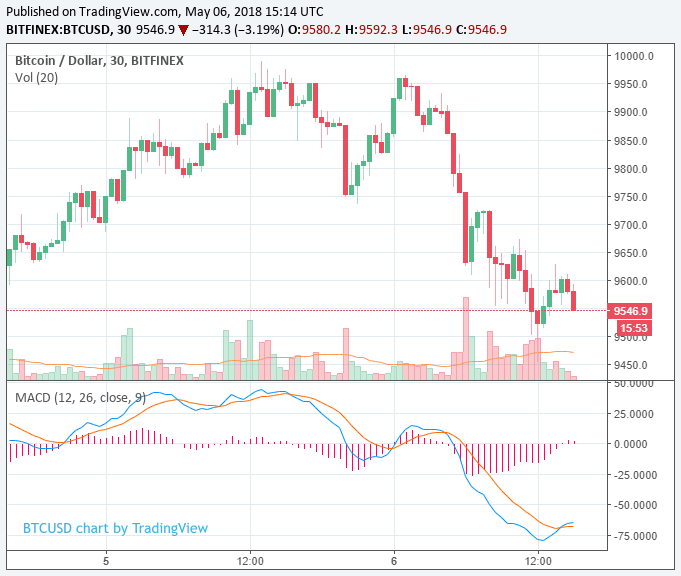

](https://ohiobitcoin.com/storage/2019/01/MiOseg.png "Complete elliote waves analyse for bitcoin [btc](btc)")