bitcoin ATMs and Their Role in Modern Cryptocurrency Transactions
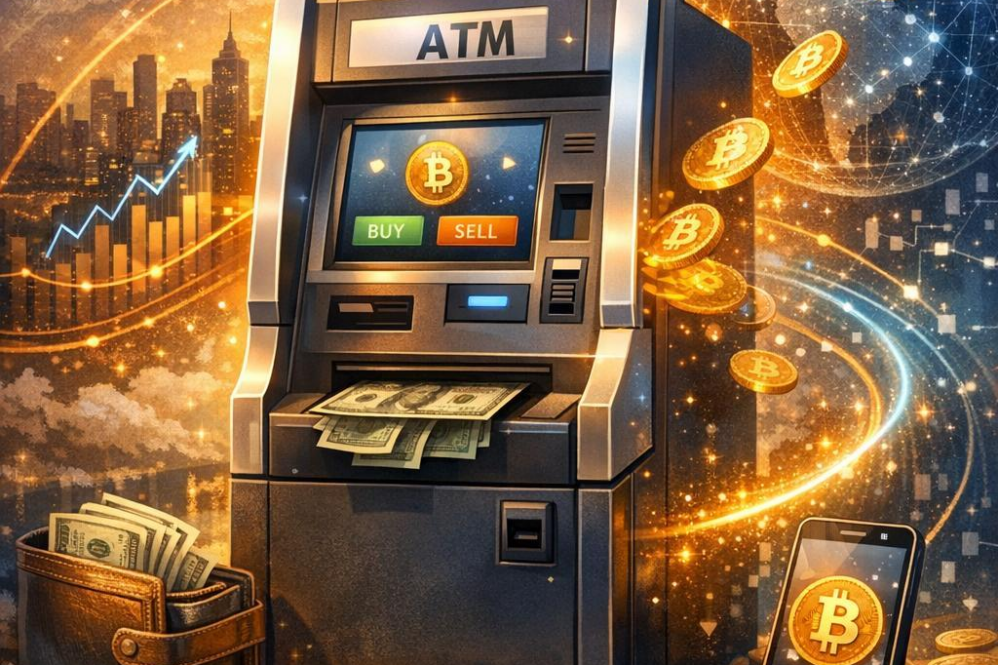
bitcoin ATMs have revolutionized the way people interact with digital currencies by providing a tangible bridge between conventional cash and cryptocurrency assets. These machines facilitate swift and convenient exchanges, allowing users to buy or sell bitcoin without the need for an online exchange. By integrating biometric verification and QR code scanning, they ensure secure and user-amiable transactions that align perfectly with the demands of modern financial users. This innovation not only enhances privacy but also expands cryptocurrency accessibility to a broader audience unfamiliar with digital wallets or complex trading platforms.
Incorporating bitcoin ATMs within urban and retail environments has spurred widespread adoption by offering several distinctive advantages:
- instant liquidity: Users can convert physical cash into bitcoin in moments, bypassing lengthy processing times common in online exchanges.
- Cash withdrawals: Some ATMs support selling bitcoin for cash, enabling users to access conventional funds swiftly from their digital holdings.
- improved financial inclusion: People without bank accounts or credit cards can participate in the crypto economy using these machines.
| Feature | Benefit | Impact |
|---|---|---|
| Biometric Authentication | Enhanced Security | Reduces fraud and unauthorized use |
| Multi-currency Support | Greater Versatility | Supports bitcoin, Ethereum, and more |
| 24/7 Availability | Round-the-clock Access | Convenience for global users anytime |
understanding the Operational Mechanics of bitcoin atms
The core operation of bitcoin ATMs revolves around bridging physical cash and digital cryptocurrency. Users can insert cash directly into the machine, which then interacts with blockchain networks to convert the fiat currency into bitcoin or other cryptocurrencies. This seamless transaction is made possible by integrated hardware components such as bill validators, QR code scanners, and secure internet connectivity. Upon completing a transaction, the user receives a printed receipt or a digital transfer confirmation to their wallet address, ensuring transparency and traceability throughout the process.
Behind the scenes, these machines execute several technical steps:
- verification of cash authenticity and denomination.
- Connection to cryptocurrency exchanges to determine real-time exchange rates.
- Broadcasting the purchase transaction to the blockchain network.
- confirming wallet addresses to prevent erroneous transfers.
This operational protocol ensures that every bitcoin ATM transaction complies with security standards and regulatory requirements, protecting both the operator and the user.
| Component | Function | Security Feature |
|---|---|---|
| Bill Validator | Authenticates and accepts cash inputs | Counterfeit detection sensors |
| QR code Scanner | Reads users’ wallet addresses instantly | Encrypted data transmission |
| Exchange API | Fetches real-time crypto prices | Secure HTTPS connections |
Security Measures and Compliance Standards in bitcoin ATM Usage
To ensure the safety and integrity of transactions, bitcoin ATMs are embedded with advanced encryption protocols and multilayer authentication processes. These systems protect user data at every interaction point, minimizing risks like unauthorized access or data interception.Biometric verification, such as fingerprint or facial recognition, is increasingly integrated to enhance identity validation beyond traditional PIN and password methods, offering users a robust defense against fraud.
Compliance with global financial regulations is a cornerstone for the operation of bitcoin ATMs. Operators routinely implement Know Your customer (KYC) and Anti-Money laundering (AML) standards to trace and verify the legitimacy of transactions, thereby reinforcing trust and transparency in cryptocurrency dealings. Below is a summary of key compliance criteria typical for bitcoin ATM operators:
| Compliance Aspect | Description | Impact |
|---|---|---|
| KYC Verification | Customer identity confirmed through official documents and biometrics. | Prevents fraud and identity theft. |
| AML Monitoring | Continuous screening for money laundering activities in transactions. | ensures legal use of the platform. |
| Data Encryption | Secures all transactional and personal data transferred. | Protects privacy and prevents breaches. |
In addition to technical and regulatory measures, ongoing compliance audits form a critical part of maintaining revenue safeguards and operational standards in bitcoin ATM networks. These audits evaluate adherence to evolving laws and internal security policies, helping to quickly identify and address vulnerabilities. By upholding these rigorous security frameworks, bitcoin ATMs offer users not only convenience but also peace of mind when conducting seamless cash-to-cryptocurrency exchanges.
Evaluating the Benefits and Limitations of bitcoin ATMs for Cash Transactions
bitcoin ATMs have revolutionized the way individuals conduct cash transactions within the cryptocurrency ecosystem. One of their most significant advantages is the accessibility they offer. Unlike traditional bank services, these machines operate around the clock, allowing users to buy or sell bitcoin instantly without the need for a bank account or lengthy verification processes. This convenience is notably beneficial for people in underserved regions where banking infrastructure is limited. Key benefits include:
- Immediate cash-to-bitcoin and bitcoin-to-cash conversions
- Enhanced privacy compared to online exchanges
- User-friendly interfaces reducing technical hurdles
- Location variety-from urban centers to remote areas
However,the technology is not without its drawbacks. One primary limitation is the cost associated with using bitcoin ATMs. Transaction fees tend to be higher than those on digital exchanges, reflecting both service convenience and regulatory compliance costs. Additionally, the range of cryptocurrencies supported remains limited, typically focusing on bitcoin itself rather than a wider array of tokens. Security is another concern; while ATMs provide a secure transactional surroundings,users must remain vigilant against potential scams or operational issues inherent in any automated system.
| Aspect | Benefits | Limitations |
|---|---|---|
| Accessibility | 24/7 availability, no bank needed | Limited to physical locations |
| Cost | Instant transactions | Higher fees than online platforms |
| Security | Protected interface | Risk of fraud or machine malfunction |
while bitcoin ATMs provide a seamless and immediate cash transaction pathway for cryptocurrency users, they come with trade-offs in cost and diversity of service. Their role is growing as part of the broader financial ecosystem, complementing digital exchanges with physical access points that expand crypto’s reach in everyday life.
Strategic Recommendations for Integrating bitcoin ATMs into Financial Networks
To effectively incorporate bitcoin ATMs into existing financial systems, it is essential to focus on interoperability between traditional banking infrastructure and blockchain networks. Establishing partnerships with financial institutions can facilitate smoother cash deposit and withdrawal processes while ensuring compliance with regulatory standards. Emphasizing robust Know Your Customer (KYC) and Anti-Money Laundering (AML) protocols will further enhance trust and security for all stakeholders.
Integration efforts must also prioritize user experience through intuitive interface design and seamless transaction flows.Implementing multilingual support and real-time transaction tracking will accommodate diverse customer bases. Moreover, strategic deployment of bitcoin ATMs in high-traffic areas combined with targeted marketing campaigns can accelerate mainstream adoption. Retail partnerships and loyalty reward programs can incentivize usage and foster community engagement.
| Key Integration Factor | Action Point | Expected Benefit |
|---|---|---|
| Compliance | Automate KYC/AML processes | Reduce fraud risk and regulatory penalties |
| Technology | API integration with banking systems | Enable real-time settlements |
| User Experience | Multilingual interface & mobile alerts | increase customer satisfaction and engagement |
| Deployment | Place ATMs in strategic retail locations | Boost transaction volume and visibility |
Future Trends and Technological innovations in bitcoin ATM services
Advancements in biometric authentication are set to revolutionize the way users interact with bitcoin ATMs. Rather than relying solely on PINs or QR codes, future machines will incorporate fingerprint scans, facial recognition, and voice verification to enhance security and streamline the user experience. These technologies will not only reduce fraud but also boost confidence among users wary of anonymous cash transactions.
Integration with decentralized finance (DeFi) platforms will transform bitcoin ATMs into multifaceted financial hubs. Users could soon access lending, staking, and digital asset management services directly through ATM interfaces.This evolution will blur the lines between traditional banking and crypto ecosystems, making it easier to convert, grow, and manage assets without leaving a physical kiosk.
Emerging trends also include multi-currency support and AI-driven analytics.Expect atms capable of handling a wide array of cryptocurrencies beyond bitcoin, offering tailored exchange rates and real-time market insights. Below is a glimpse of what the next generation of bitcoin ATMs might offer:
| Feature | Benefit | Example Application |
|---|---|---|
| Biometric Security | Enhanced user authentication | Fingerprint and facial ID login |
| DeFi Access | expanded financial services | Staking and lending protocols |
| Multi-Crypto Support | Diverse asset handling | bitcoin, Ethereum, Litecoin |
| AI Market Analytics | Real-time insights | Optimized exchange rates |