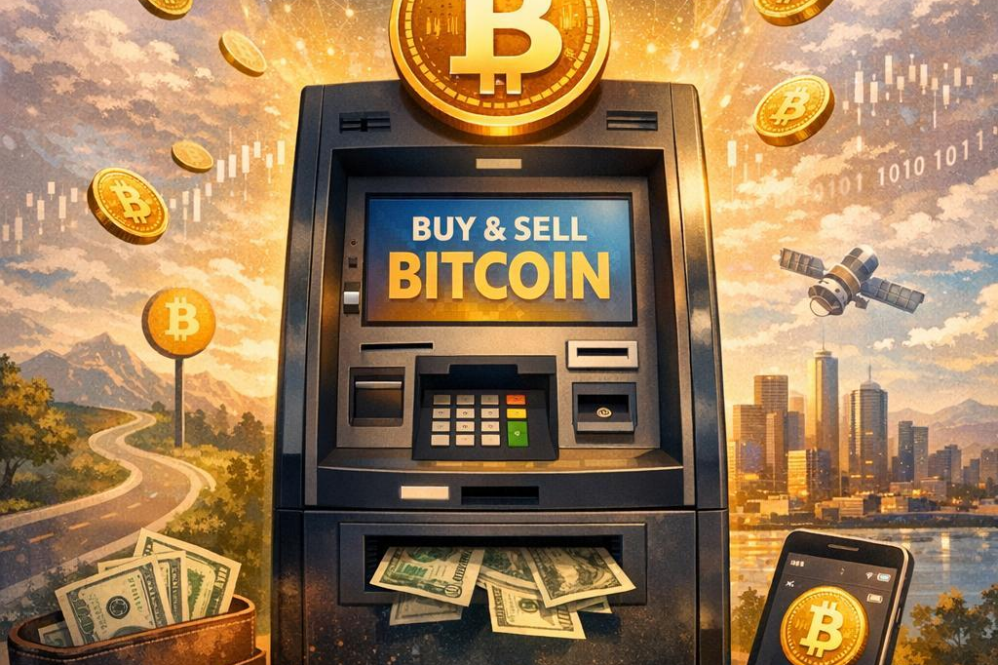
bitcoin ATMs Overview and their Role in Cryptocurrency Accessibility
bitcoin ATMs have emerged as pivotal infrastructure in bridging the gap between traditional cash transactions and the digital currency ecosystem. These machines allow users to buy or sell bitcoin using physical currency, streamlining access to cryptocurrency without the need for online exchanges or complex wallets. by offering a tangible point of contact in the physical world, bitcoin ATMs empower a broader demographic-including those less familiar with digital platforms-to participate in the cryptocurrency market.
one of the key advantages of these ATMs is convenience. Users can quickly convert cash into bitcoin within minutes at locations such as shopping centers, convenience stores, and airports worldwide. This immediacy supports a user base that prioritizes speed and simplicity. Furthermore, many bitcoin ATMs support multi-cryptocurrency transactions, expanding accessibility and user choice. The growing network of these ATMs fosters financial inclusivity by accommodating unbanked populations and enhancing liquidity for bitcoin transactions.
Key Features of bitcoin atms
- Cash-to-Crypto Conversion: Enables rapid purchase of bitcoin through cash deposits.
- Crypto-to-Cash Withdrawal: Some machines allow selling bitcoin back to cash instantly.
- User-Friendly Interface: Intuitive touchscreen guides users through transactions step-by-step.
- Identity Verification: Enhanced security protocols to comply with regulatory standards.
| Feature | Benefit |
|---|---|
| Instant Transactions | eliminates waiting time for deposits or withdrawals |
| Anonymous Use Options | Offers privacy-compliant transactions for casual users |
| Wide Accessibility | Located in public areas for maximum reach |
Technical Functionality and Security Measures in bitcoin ATMs
bitcoin ATMs are engineered with cutting-edge technology that ensures swift and seamless transactions. These machines integrate with blockchain networks via secure API endpoints, allowing users to convert cash to bitcoin or vice versa in real time. The internal software features robust transaction validation protocols, which confirm wallet details and verify transaction legitimacy before processing. Furthermore, multi-layer encryption safeguards the communication channel, preventing interception or tampering during the delicate exchange process.
Security constitutes a cornerstone in the design of bitcoin ATMs, given the high-value digital assets they facilitate. Biometric authentication such as fingerprint or facial recognition enhances user verification, significantly reducing fraud risks. The machines are also equipped with anti-tampering sensors and reinforced casing to protect against physical breaches. Additionally, many bitcoin ATMs operate with compliance frameworks, including Know Your Customer (KYC) and Anti-Money Laundering (AML) measures, which require users to submit identity verification documentation in adherence to legal standards.
| Feature | Technical Aspect | Security Measure |
|---|---|---|
| Transaction validation | Real-time Blockchain Sync | Multi-factor Authentication |
| User Verification | KYC Compliant Identity Checks | Biometric Authentication |
| Physical Protection | Reinforced Hardware Enclosure | Anti-Tamper Sensors |
By merging advanced technical functions with rigorous security protocols, bitcoin ATMs provide a trustworthy platform for users to execute cash-to-crypto transactions with confidence and ease.
Benefits of Using bitcoin ATMs for Cash to bitcoin Transactions
Speed and Convenience are at the core of why bitcoin atms have revolutionized how individuals engage with digital currency. unlike traditional bank processes, these machines allow users to convert cash into bitcoin quickly, often within minutes.This immediacy is essential for those seeking to take advantage of market opportunities or simply embark on their cryptocurrency journey without enduring lengthy verification or transfer delays.
Security is another paramount benefit. bitcoin ATMs are designed with robust compliance and encryption protocols, minimizing the risks commonly associated with online transactions. users maintain control over their funds through private wallets, reducing exposure to hacking or fraud.Furthermore,many ATMs incorporate identity verification measures to deter illicit activities,fostering a safer habitat for legitimate users.
Lastly, bitcoin ATMs play a crucial role in financial inclusion, bridging the gap for underbanked populations. they provide accessibility where conventional banking infrastructure is limited or inconvenient. Through intuitive interfaces and physical presence in retail locations, these ATMs empower individuals to participate in the crypto economy with ease, fostering greater adoption and democratization of digital assets.
| Feature | Benefit |
|---|---|
| Instant Transactions | Quick access to bitcoin without waiting |
| Enhanced Security | Reduced digital theft with physical verification |
| Accessibility | Available in many public locations worldwide |
| User Privacy | Minimal personal information shared |
Challenges and Limitations Facing bitcoin ATM Adoption
Despite the promising convenience offered by bitcoin ATMs, widespread adoption is hindered by several significant challenges.Regulatory ambiguity remains one of the foremost obstacles. In many regions,unclear or evolving cryptocurrency laws force operators to navigate a complex maze of compliance requirements,often resulting in heightened operational costs and legal risks. This regulatory uncertainty can deter both investors and consumers, limiting the potential user base that feels confident engaging with these machines.
Another critical limitation lies in technical constraints and security concerns. bitcoin ATMs must integrate robust identity verification protocols to comply with anti-money laundering (AML) and know-your-customer (KYC) standards - a requirement that can slow transaction speeds and complicate user experience. Additionally, these machines are often prime targets for physical and cyber-attacks. Ensuring both physical security and cybersecurity elevates deployment costs and demands continuous technical vigilance, making it challenging to scale operations efficiently.
The user experience itself also presents a barrier, especially for newcomers. Many potential users find bitcoin ATM interfaces confusing or intimidating, which restricts accessibility to a wider audience. Limited geographic distribution further compounds this issue, as bitcoin ATMs are predominantly situated in urban centers, leaving rural and less tech-savvy populations underserved. Below is a summary of key factors impacting adoption:
| Factor | Impact | Industry Response |
|---|---|---|
| Regulatory Complexity | Hinders expansion due to legal uncertainties | Collaborating with regulators for clearer frameworks |
| Security Challenges | Raises operational costs and risk of attacks | Investment in advanced security measures |
| User Experience | Limits mainstream adoption especially among beginners | Simplifying user interfaces and educational initiatives |
| Geographic Reach | Uneven access reduces market penetration | Strategic placement and partnerships |
Regulatory Considerations and Compliance for bitcoin ATMs
Operating a bitcoin ATM necessitates strict adherence to a complex array of regulations designed to protect consumers and prevent illicit activities. Key among these are Anti-Money laundering (AML) and Know Your Customer (KYC) requirements, which mandate operators to verify user identities and monitor suspicious transactions.Compliance with these regulations not only ensures legal operation but also fosters trust and legitimacy within the cryptocurrency ecosystem.
Jurisdictional variances play a crucial role in the regulatory landscape,with different countries and even regions within countries imposing diverse licensing and reporting obligations. For example, some states in the U.S. require bitcoin ATM operators to obtain a specific money transmitter license, while others may exempt small-scale operators. It is indeed essential for businesses to conduct thorough legal due diligence and engage with local authorities to secure the necessary permissions before deployment.
| Regulatory Aspect | Typical Requirement | Impact on Operators |
|---|---|---|
| AML Compliance | Monitor transactions above set thresholds | Enhances security, requires robust software |
| KYC Procedures | User identity verification (ID scans, biometrics) | Increases operational costs, reduces fraud risks |
| Licensing | Obtain money transmitter or equivalent license | Ensures lawful operation, varies by region |
| Reporting | File Suspicious Activity Reports (SARs) | Maintains regulatory clarity |
Ongoing compliance monitoring and regular audits are indispensable for enduring bitcoin ATM operations. operators must stay informed about legislative shifts and technological advancements, continually updating system protocols and staff training programs. Embracing compliance as a strategic priority not only mitigates legal risks but also positions bitcoin ATMs as a dependable gateway to the burgeoning digital currency economy.
Best Practices and Recommendations for Safe and Effective Use of bitcoin ATMs
When using bitcoin ATMs, it is crucial to prioritize security to protect your digital assets. Always ensure you are using an ATM from a reputable provider that adheres to strict compliance and security protocols. Before initiating a transaction, verify the machine’s physical environment for any signs of tampering or suspicious attachments such as skimming devices. Use a secure internet connection on your mobile device when scanning QR codes or accessing wallet apps to prevent interception of sensitive data by malicious actors.
To optimize your bitcoin ATM experience,familiarize yourself with the transaction limits,fees,and identification requirements specific to each machine. Most bitcoin ATMs impose limits based on regulatory compliance, which can include identity verification steps such as scanning a government-issued ID or providing a phone number. Carefully review the fee structure, which may vary significantly between operators, frequently enough ranging from 5% to 12% of the transaction amount. This knowledge helps in planning transactions efficiently and avoiding unexpected costs.
Adopting best practices enhances financial safety and transaction success rates, so consider the following guidelines:
- Double-check bitcoin wallet addresses before confirming any transaction to avoid loss due to typographical errors.
- Conduct small test transactions initially when using a new bitcoin ATM to confirm reliability and functionality.
- Keep transaction receipts or confirmation codes for records and potential dispute resolution.
- Stay informed about local regulations affecting cryptocurrency transactions to ensure compliance.
| Best Practice | Benefit |
|---|---|
| Verify ATM legitimacy | Protects against fraud and theft |
| Understand fees and limits | Avoids unexpected expenses |
| Confirm wallet address accuracy | Ensures funds reach correct destination |
| Retain transaction records | Facilitates dispute resolution |