understanding the Role of bitcoin ATMs in modern Cryptocurrency transactions
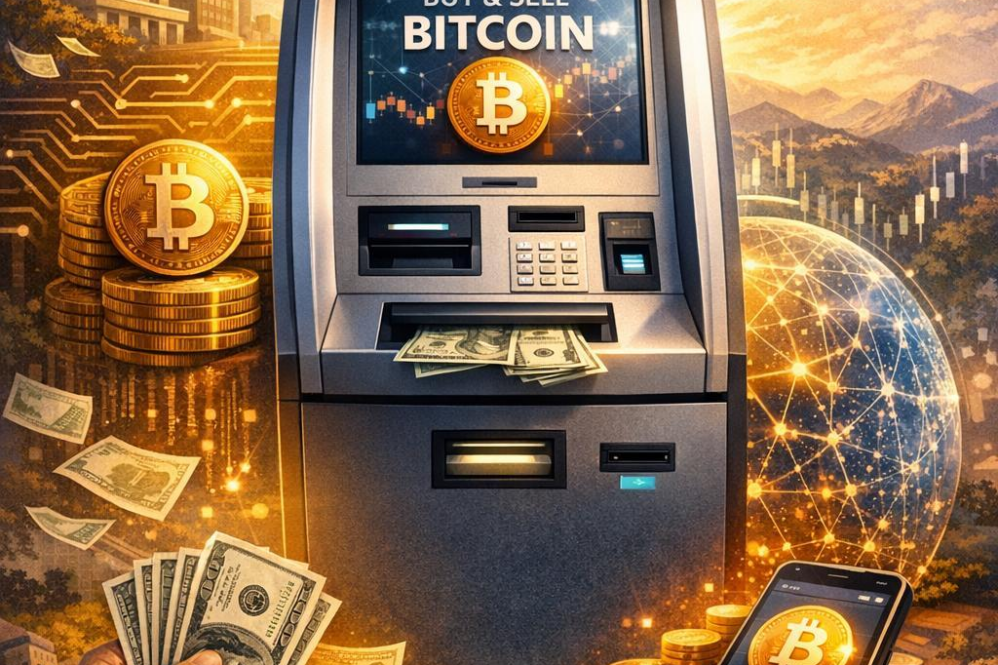
bitcoin ATMs serve as a crucial bridge between the customary cash-based economy and the digital world of cryptocurrencies. By offering users the ability to buy or sell bitcoin with physical currency, these machines simplify access to the crypto market for those who may not be agreeable with or have access to conventional online exchanges. This tangible interaction removes many barriers to entry, making cryptocurrency more inclusive and understandable to the masses.
The operation of bitcoin ATMs involves a streamlined process that supports both convenience and security.Users can:
- Deposit cash to purchase bitcoin instantly credited to their digital wallets.
- Withdraw cashbitcoin from their wallets at market-determined rates.
- verify identity via simple KYC (Know Your Customer) procedures directly at the machine, ensuring compliance with regulations without complex paperwork.
This seamless integration promotes faster transactions and reduces reliance on internet-based platforms prone to hacking or fraud.
| Feature | Benefit |
|---|---|
| instant cash transactions | Immediate access to bitcoin or fiat currency without waiting periods |
| User-amiable interface | Accessible for people with minimal technical knowledge |
| Privacy controls | Flexible anonymity options compliant with local laws |
The increasing proliferation of bitcoin ATMs in urban and suburban areas is reshaping how cryptocurrencies are used daily, emphasizing practicality and widespread acceptance in modern financial systems.
Technical Mechanisms Behind bitcoin ATM Operations
At the core of bitcoin ATM operations lies a robust blend of blockchain technology and secure interaction protocols. when a user initiates a transaction,the machine interfaces with the bitcoin blockchain network to validate wallet addresses and transaction details in real time. This process requires the ATM to have seamless internet connectivity and secure API access to ensure accurate exchange rates and instantaneous transaction confirmations, minimizing delays and potential fraud.
Key technical components include:
- Cryptographic wallets: The ATM supports various wallet formats, enabling users to scan QR codes or insert hardware wallets for quick bitcoin deposits or withdrawals.
- Two-way communication channels: Secure TCP/IP protocols allow synchronization between the ATM and cryptocurrency exchanges or payment processors to handle currency conversions and liquidity.
- Integrated KYC systems: Compliance mechanisms such as ID scanners and biometric verification protect users and operators alike while adhering to regulatory standards.
Behind the scenes, the ATM’s software continuously monitors blockchain confirmations to finalize transactions, which typically requires multiple block confirmations depending on the transaction value. A simplified illustration of confirmation timelines is provided below for clarity:
| Transaction Amount | Required Confirmations | Approximate Time |
|---|---|---|
| Under $500 | 1-2 | 10-20 mins |
| $500 – $2000 | 3-4 | 30-40 mins |
| Above $2000 | 5-6 | 50-60 mins |
Ensuring that these mechanisms operate flawlessly allows bitcoin ATMs to become reliable points of entry and exit for cryptocurrency users,bridging the gap between digital assets and tangible cash transactions.
Assessing the Security protocols and Risks Associated with bitcoin ATMs
bitcoin ATMs present a unique intersection of physical and digital security challenges. Unlike traditional ATM machines that interact strictly with fiat currency, bitcoin ATMs engage with blockchain networks, necessitating robust encryption protocols to safeguard user data and transactions. The machines utilize multi-layered authentication methods, frequently enough incorporating QR code scanning and private key generation, to ensure that the user’s identity and funds remain secure throughout the transaction process. however, these protocols must continuously evolve to counteract emerging cyber threats targeting cryptocurrency infrastructures.
Despite stringent security measures, bitcoin ATMs face specific risks that users and operators must acknowledge. Physical tampering is a primary concern; machines installed in less secure locations might potentially be vulnerable to vandalism or hardware manipulation designed to capture sensitive facts. Additionally, the regulatory environment varies widely across jurisdictions, generating compliance risks that coudl impact operational legitimacy. This dynamic creates a landscape wherein both legal oversight and physical safeguards must operate harmoniously to protect users.
| Security Aspect | Details | Mitigation Techniques |
|---|---|---|
| Data Encryption | End-to-end encryption during transaction transmission | Utilize AES-256 and SSL/TLS protocols |
| User Authentication | Multi-factor authentication using biometrics or QR codes | Integrate biometric scanners and dynamic QR validation |
| Physical Security | Protection from tampering and unauthorized access | Deploy surveillance cameras and tamper-evident seals |
| Regulatory Compliance | Adherence to AML/KYC laws across regions | Implement automated KYC systems and regular audits |
To maintain trust and ensure the safety of bitcoin ATM users, continuous assessment and enhancement of security protocols are imperative. The dynamic nature of cryptocurrency and its reliance on decentralized verification expose bitcoin ATMs to evolving threats. Operators need to invest in regular software updates, rigorous penetration testing, and staff training to mitigate risks effectively. Only through complete security strategies can these machines fulfill their promise as reliable gateways between cash and the bitcoin ecosystem.
Geographical Distribution and Accessibility of bitcoin ATMs Worldwide
The network of bitcoin ATMs has expanded rapidly across the globe, shaping a new era of financial accessibility. Key urban centers in North America and Europe host the highest concentrations, reflecting the strong crypto adoption and regulatory openness in these regions. Major cities such as New York, London, and Toronto serve as hubs where users can easily exchange cash for bitcoin, simplifying the entry point for both beginners and experienced investors. Beyond these hotspots, emerging markets in Asia and South America are witnessing a burgeoning presence of bitcoin ATMs, signaling a democratization of financial tools in areas traditionally underserved by conventional banking.
Accessibility remains a crucial factor in the effective use of bitcoin ATMs. Locations are carefully chosen to maximize user convenience-common public venues include shopping malls, airports, convenience stores, and even pharmacies. This strategic placement ensures users have round-the-clock access to bitcoin cash exchanges without the delays of online platforms. Equally notable is the multilingual interface and compliance with local KYC (Know Your Customer) regulations that help foster trust and legal adherence in diverse communities.
| Region | Estimated bitcoin ATM Count | Top Locations | Average 24h Accessibility |
|---|---|---|---|
| north America | 15,000+ | New York, Los angeles, Toronto | 24/7 |
| Europe | 4,000+ | London, Berlin, Amsterdam | 16-24 hours |
| Asia | 900+ | Tokyo, Singapore, Seoul | 12-24 hours |
| South America | 700+ | Buenos Aires, São Paulo, Santiago | 12-20 hours |
As bitcoin ATM networks continue to grow, their role in bridging the gap between cash and cryptocurrency becomes increasingly pivotal. by providing geographically dispersed, accessible points of exchange, these machines not only simplify transaction processes but also empower economic inclusion worldwide. Their proliferation is reshaping how cash and digital currencies coexist, offering a seamless interface tailored to the evolving needs of global users.
Regulatory Compliance and Legal Considerations for bitcoin ATM Operators
Operating a bitcoin ATM requires strict adherence to a complex web of regulatory frameworks to ensure both legal compliance and consumer protection.Anti-Money Laundering (AML) and Know Your Customer (KYC) protocols top the list, compelling operators to verify the identity of users and monitor suspicious transactions meticulously. Failure to conform can lead to heavy fines,operational shutdowns,and reputational damage. Since laws vary by jurisdiction, staying updated with local, national, and international legislative changes is crucial for lasting operation.
Moreover, bitcoin ATM operators must secure licenses that authorize financial service activities.These licenses often involve rigorous background checks and periodic audits by regulatory bodies. Operators are also tasked with implementing comprehensive cybersecurity measures to protect user data and funds from breaches and hacks. This dual obligation of legal compliance and robust technology safeguards forms the backbone of trustworthy bitcoin ATM services.
| Key Regulatory Area | Primary Requirement | Potential Consequence |
|---|---|---|
| AML/KYC | Customer verification & transaction monitoring | Fines, license revocation |
| Licensing | Obtaining and renewing operational licenses | Legal action, business closure |
| Data Security | Implement encryption and data protection | Data breaches, trust loss |
bitcoin ATM operators must strike a balance between offering convenient cryptocurrency access and adhering to stringent legal mandates. Proactive compliance not only minimizes risks but also enhances consumer confidence, ultimately contributing to the broader acceptance of bitcoin as a legitimate financial instrument.
Best Practices for Consumers Using bitcoin ATMs Safely and Efficiently
When using bitcoin ATMs, consumers should prioritize security by verifying the legitimacy of the machine before proceeding with any transactions. Always opt for ATMs located in well-lit, high-traffic areas often monitored by cameras or security personnel. Additionally, ensure the ATM is operated by a reputable provider by cross-checking the machine’s details on official directories or apps dedicated to listing bitcoin ATM networks.
Speed and cost efficiency are essential factors for a smooth transaction. Before committing to a bitcoin ATM, users should review the fee structure displayed prominently on the machine or its digital interface. Fees can vary widely, so comparing rates ahead of time can save a significant amount. Also, be prepared with the appropriate identification or wallet addresses to avoid delays that could expose your financial details or cause costly mistakes.
- Double-check wallet addresses for accuracy to prevent lost funds
- keep transaction receipts or confirmation codes for record-keeping and potential disputes
- Use QR codes rather than manual entry to reduce errors
| Best Practice | Benefit | Pro Tip |
|---|---|---|
| Verify Machine Authenticity | Prevents fraud and loss | Check online listings before use |
| Understand Fee Structure | Saves money on hidden costs | Compare fees with multiple ATMs |
| Protect Wallet Info | Ensures secure transactions | Utilize QR code scanning |