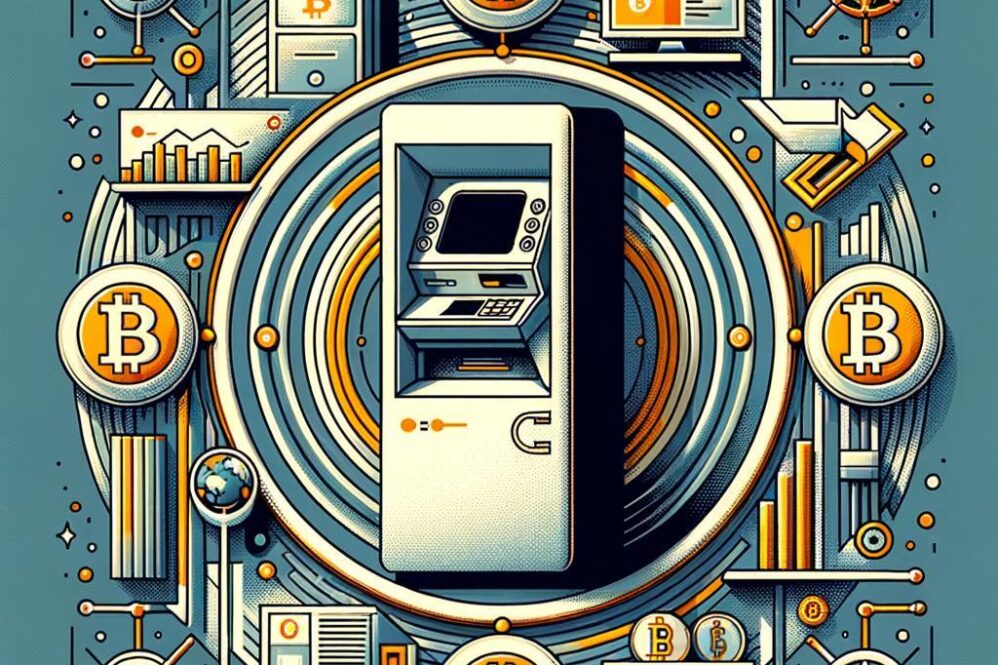
Bitcoin ATMs: Buy or Sell Bitcoin Instantly for Cash
bitcoin ATMs are public kiosks that let users buy or sell bitcoin for cash, providing an on‑teh‑spot way to convert between fiat and cryptocurrency. bitcoin itself is a peer‑to‑peer electronic payment system and widely used digital currency,and ATMs extend its accessibility by enabling instant transactions without a customary exchange account . These machines vary by operator and location but typically allow rapid purchases using cash or debit cards and, in many cases, cash withdrawals by selling bitcoin-making them useful for users who prioritize speed and physical cash access. Before using a bitcoin ATM, consumers should be aware of common considerations such as fees, exchange rates, identification or KYC requirements, transaction limits, and the need to verify wallet addresses to avoid irreversible mistakes.
Understanding bitcoin ATMs and How They Differ from Online Exchanges
bitcoin ATMs are physical kiosks that let users buy and sometiems sell bitcoin for cash in real time, bridging digital currency and everyday cash transactions. Unlike traditional point-of-sale machines, they interact directly with blockchain wallets: you either insert cash and receive bitcoin to a provided address, or scan a paper/phone wallet to withdraw cash after sending bitcoin. Because these machines are part of the broader, open-source bitcoin ecosystem, their operation and deployment reflect the decentralized, peer-to-peer nature of the protocol itself.
Speed: ATMs typically complete buy transactions instantly or within minutes, whereas exchanges can take longer due to bank transfers and settlement windows.
Fees: ATM fees are usually higher-covering convenience and cash handling-while online exchanges often offer lower percentage fees but add deposit/withdrawal costs.
access & KYC: Many ATMs allow small, near-anonymous purchases, but larger sums usually trigger ID checks; exchanges enforce stricter KYC and account verification by default.
Liquidity & Limits: exchanges provide deeper liquidity and advanced order types; ATMs are limited by the machine’s cash float and operator policies.
The result is a trade-off between convenience and control: ATMs favor immediacy and cash access, while exchanges favor price efficiency and trading features.
Choosing between the two depends on whether you prioritize instant cash access and simplicity or lower cost and advanced trading tools-both are integral parts of bitcoin’s user ecosystem and community discussion.
Types of bitcoin ATMs and How to Choose the Right Machine for Your Needs
Operators and users encounter several machine types on the market: one‑way (buy-only) kiosks that accept cash for immediate bitcoin purchases, two‑way (buy/sell) machines that allow both purchases and cash withdrawals, and countertop or hybrid models often found in retail locations that combine ATM functions with point‑of‑sale services. Differences are driven by hardware and software capabilities – cash acceptors vs. dispensers, camera/KYC modules, and wallet integration.Common differentiators include:
transaction direction: buy-only vs. two-way
Identity requirements: basic phone verification up to ID scans
Choosing the right model depends on use case,budget,and regulatory habitat. Consider throughput and customer flow for busy locations, compliance obligations (higher for two‑way machines with cash withdrawals), and operator support for hardware maintenance. The quick comparison below helps match needs to machine class:
Machine Type
Best For
Typical Fee
One‑way Kiosk
retail quick buys
4-12%
Two‑way ATM
Peer‑to‑peer cash outs
6-15%
Countertop / hybrid
Stores & POS integration
2-8%
Operational and security considerations are critical: prioritize machines with clear KYC/KYT flows, tamper‑resistant cash modules, and easy QR wallet scanning for users. For merchants or operators who want to independently verify transaction chain‑state or reconcile settlements, running your own bitcoin node is recommended – you can download and run full‑node software to validate transactions and blocks locally . Also review operator reputation,settlement intervals,and remote monitoring tools before purchase to ensure uptime and customer trust. Always balance fee structure, liquidity needs, and compliance requirements when selecting a machine.
Typical Fees and Exchange Rates to Expect and Practical Ways to Reduce Costs
bitcoin ATM pricing combines two components: a machine markup (spread) above the live market price and the underlying blockchain (miner) fee.Typical spreads range from about 5% to 20%+ depending on machine operator,location,and whether you are buying or selling; some high‑traffic or convenience locations charge at the upper end. In addition, many operators add a fixed transaction fee or require higher identity verification thresholds for larger amounts. These machines serve the same peer‑to‑peer currency ecosystem used across wallets and exchanges, so expect the ATM rate to diverge from exchange spot prices for convenience and liquidity reasons .
Practical ways to reduce costs:
Compare before you go: use online ATM aggregators or map services to find machines with the lowest advertised spread.
Time and amount: larger single transactions often reduce the percentage spread (but weigh security); avoid very small buys were minimum fees dominate.
Choose sell vs buy carefully: selling sometimes has lower spreads; if you need fiat,compare ATM payout with exchange withdrawal fees.
Use alternatives for big transfers: for large amounts prefer regulated exchanges or bank transfers that usually offer better rates than ATMs.
Check ID thresholds: bring required ID to avoid higher fees or transaction limits that can force multiple smaller (costly) transactions.
Machine Type
Typical Spread
When to Use
Convenience/Kiosk
10-20%
Quick small buys, immediate cash
Retail/Bank Partner
6-12%
Moderate buys with better rates than kiosks
Business/Low‑Margin
5-9%
Planned purchases or sales, best ATM rates
Balance convenience and cost by checking posted rates, combining transactions where safe, and using exchanges or P2P marketplaces for larger sums; that practical approach often yields the best net price without sacrificing the instant cash feature of ATMs.
How to Find a Reliable bitcoin ATM Near You and Verify Its Legitimacy
Use reputable locator tools and operator maps to find nearby machines and compare live details before you go. Popular resources list thousands of kiosks and allow filter by operator, cash limits and online rates – check an ATM map or an operator locator to shortlist options , , . When evaluating candidates look for:
Clear operator branding and contact info;
Published exchange rates and fees on the map entry or operator page;
recent user reviews and uptime reports.
At the machine, perform a quick legitimacy check before initiating any cash transaction:
Confirm the operator name on the screen matches the online listing and that a support phone number is visible;
Verify fees and the BTC/USD rate shown by the ATM against the operator’s published rate;
Insist on a printed or digital receipt/transaction ID and never reveal private keys or full seed phrases to any kiosk or person.
Operators frequently enough advertise on-site support and purchase limits - if something looks inconsistent,contact the operator before proceeding , .
Quick Check
OK?
Action
Operator name & contact
Yes/No
Call or walk away
Displayed fees & rate
Yes/No
Compare online
Printed receipt / Tx ID
Yes/No
Keep for records
Report suspicious machines to the map provider or the operator so other users are warned and the listing can be updated – mapping services accept feedback and rate updates to help maintain legitimacy of listings .
Step by Step Guide to Buying bitcoin at an ATM with Actionable Tips
Before you step up to the machine, get your receiving address ready and test it on your phone.create or open a compatible wallet and make sure you can display a receiving QR code – mobile wallets are simplest for ATMs (see recommended wallet options for usability and security). Quick pre-checks:
Backup your wallet (seed phrase) and confirm you can access it offline.
Confirm the exact QR address on your screen - small typos or clipboard malware can redirect funds.
Check ID or phone verification requirements for the machine’s operator in advance.
At the ATM, follow the prompts carefully and watch the rates and fees before confirming.Typical flow: select “Buy bitcoin,” choose fiat amount, scan your receiving QR, insert cash, and confirm the transaction on-screen. Actionable tips:
Compare the displayed exchange rate and percentage fee – ATM fees can be substantially higher than online exchanges.
Start small for your first transaction to confirm the process and receipt of coins.
If the ATM offers a paper or digital receipt, keep it until on-chain confirmation is complete.
Item
Typical
Fee range
6-15%
Confirmation window
Instant to ~30 min
Recommended first amount
$20-$50
For advanced users who run full nodes or want added verification, consider using desktop software such as bitcoin Core to validate transactions independently.The open,peer-to-peer nature of bitcoin means on-chain confirmations are authoritative.
After the purchase, verify receipt and protect your records: check that the transaction appears in your wallet and on a block explorer, keep your receipt until confirmations are final, and instantly secure any recovery phrase. Important safety pointers:
Do not reuse QR images from unknown sources and avoid public Wi‑Fi when transacting.
Contact the ATM operator (number on the machine) if the transaction is delayed or fails – note the operator name and machine ID from the kiosk.
for privacy, avoid disclosing unnecessary personal details and consider small, frequent purchases if concerned about traceability.
Following these steps reduces common errors and helps ensure a smooth, verifiable cash-to-bitcoin experience.
Step by Step guide to Selling bitcoin for Cash at an ATM and Common Pitfalls to Avoid
Locate a nearby machine, select the “Sell” option, choose bitcoin and enter the amount you want to convert to cash. Most machines will then display a QR code or a deposit address – scan it with your mobile wallet or paste the address and send the exact amount. Carry out a small test amount if you’re using a new ATM or wallet for the first time, and always confirm the displayed rate and fee before sending funds.If you’re unsure which wallet to use, pick one that supports easy QR scanning and clear transaction history for receipts ().
Common mistakes can turn a quick sale into a headache:
Wrong address: pasting or scanning an incorrect address is irreversible – always verify.
Insufficient confirmations: machines frequently enough require network confirmations before releasing cash; expect a wait.
Hidden fees and poor rates: ATM markup can be high – check the exchange rate and fee breakdown first.
Machine limits & KYC: daily or per-transaction limits may trigger ID verification or block large withdrawals.
If you run a full node or use local wallet software, remember initial synchronization can take significant time and disk space, so don’t rely on an unsynced node at the ATM (
A New Crypto Paradigm or a Glorified Voucher Program? 🔥 Facebook is controversial, if nothing else. The world’s fifth-biggest company by market cap, it’s also the biggest social network by a comfortable margin. Yet, despite […]
Yale Research Proposes Factors for Crypto Price Prediction Yale University financial experts have suggested a system of factors to predict price trends in major cryptocurrencies, according to an official statement by YaleNews Aug. 6. The […]
Publica (PBL) ICO – The Ethereum Of eBooks – Need To Act Fast! To join the Telegram group and see if we got a special deal: 1. send a telegram message to @acryptotrader with your […]