In recent years, bitcoin has often been referred to as “digital gold,” a metaphor that highlights its potential as a store of value in the evolving financial landscape. Originally introduced in 2009 as the first decentralized cryptocurrency, bitcoin has since attracted significant attention from investors, economists, and policymakers alike. This article delves into the factors that contribute to bitcoin’s perceived value, examining its characteristics that parallel those of gold, such as scarcity, divisibility, and resistance to inflation. Additionally, we explore bitcoin’s role within the broader context of digital assets and global finance, assessing its potential to serve as a hedge against economic uncertainty and a complement to traditional investment portfolios.
The Historical Context and Evolution of bitcoin as Digital Gold
The inception of bitcoin in 2009 marked a pivotal moment in the trajectory of digital currency, emerging from the ashes of the 2008 financial crisis. Its creation by the pseudonymous Satoshi Nakamoto introduced a decentralized peer-to-peer network that operates without the need for a central authority. This groundbreaking technology leveraged blockchain to ensure clarity, security, and immutability, distinguishing bitcoin from traditional fiat currencies.Over time, bitcoin was increasingly perceived not just as a digital payment method but as a potential store of value, akin to gold.
Throughout its evolution, bitcoin’s qualities aligned closely with those traditionally attributed to gold. Its fixed supply cap of 21 million coins introduced scarcity, mirroring gold’s finite availability. Additionally, bitcoin is divisible, portable, and durable-traits essential for any asset aspiring to hold value over time. These characteristics fueled the growing narrative of bitcoin as “digital gold,” especially as global economic uncertainties and inflation concerns heightened demand for assets outside the traditional financial system.
Below is a succinct comparison that highlights key parallels between bitcoin and gold:
| Property | Gold | bitcoin |
|---|---|---|
| Supply Limit | Finite, ~190,000 metric tons | 21 million coins |
| Divisibility | Down to milligrams | up to 8 decimal places (Satoshis) |
| portability | Physical, heavy | Digital, easily transferable |
| Durability | Highly durable | Immutable blockchain record |
| Verification | Requires expert analysis | Trustless, open network verification |
- scarcity: Both assets have limited supply, driving value through rarity.
- Security: Gold is physically secure; bitcoin relies on cryptographic security.
- Liquidity: bitcoin’s digital nature offers rapid global transfer.
- Historical Trust: Gold has centuries of established value; bitcoin’s trust is still maturing.
Comparative Analysis of bitcoin and Traditional Gold in Wealth Preservation
bitcoin and gold have long been regarded as stores of value, notably in times of economic uncertainty. While gold’s physical presence and historical role in wealth preservation are undeniable, bitcoin offers a digital alternative characterized by decentralization and scarcity programmed through code.One of bitcoin’s most compelling attributes is its fixed supply capped at 21 million coins, contrasting sharply with gold’s continuous mining process that can increase its available quantity. This fundamental difference underscores bitcoin’s potential as a hedge against inflation, much like gold, but with the added advantage of verifiable scarcity through blockchain technology.
When evaluating liquidity and accessibility, bitcoin presents unique advantages. Unlike gold, which frequently enough requires physical storage, authentication, and transport, bitcoin can be accessed globally within minutes using digital wallets. This ease of transferability makes bitcoin highly liquid, especially in digital economies, and allows it to be divided into minute fractions without loss of value. However,gold retains advantages in tangibility and widespread acceptance as an investment asset among traditional institutions.
| Aspect | bitcoin | Gold |
|---|---|---|
| Supply | Fixed, 21 million coins | Variable, mined annually |
| Storage | Digital wallets | Physical vaults or secure locations |
| Portability | Highly portable globally | Bulky, less convenient |
| Volatility | High but decreasing with adoption | low and stable |
| Divisibility | Up to 8 decimal places (satoshis) | Limited by physical weight |
Investors looking at long-term wealth preservation can consider the complementary nature of these assets. Gold provides a reliable, tangible hedge rooted in centuries of trust, while bitcoin introduces innovation with its transparency, programmable scarcity, and borderless nature. Understanding the strengths and limitations of each asset helps individuals diversify efficiently, balancing traditional security with emerging financial technologies.
Understanding bitcoin’s Volatility and Its Impact on Long-Term Value
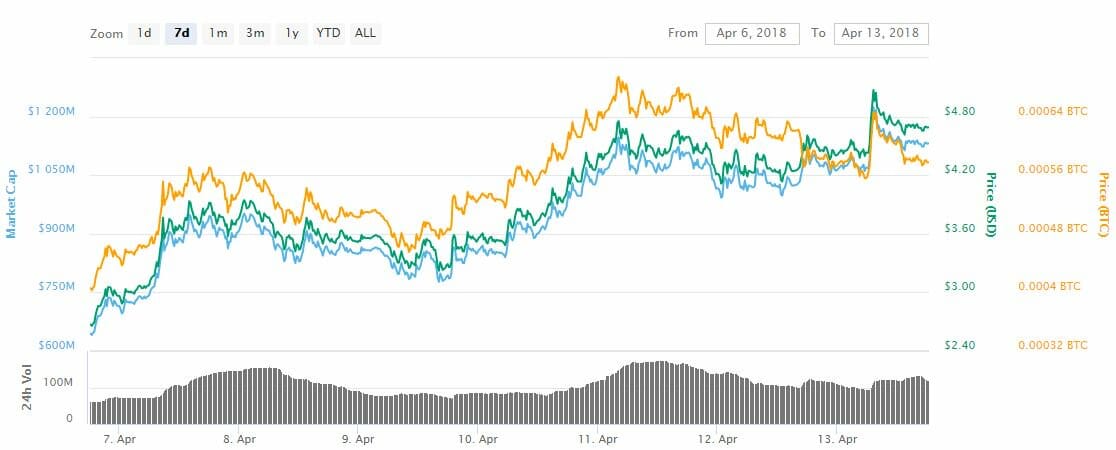
bitcoin’s price volatility is fundamentally different from traditional assets, characterized by frequent and significant price swings. This volatility is quantitatively measured by metrics such as the bitcoin Volatility Index (BVIN), which uses market data from derivatives like options to gauge expected price fluctuations over a period. Daily volatility can also be calculated based on the standard deviation of bitcoin’s price changes, highlighting how sharply prices may rise or fall within short time frames. Such fluctuations are driven by various factors including market sentiment, regulatory news, and macroeconomic events.
While volatility is often perceived negatively, it plays a dual role in bitcoin’s long-term valuation landscape. On one hand, price swings can deter risk-averse investors and pose challenges for bitcoin’s adoption as a stable store of value. On the other hand, volatility attracts traders and speculators who provide liquidity and facilitate price finding, which are critical for a maturing market. Importantly, over longer horizons, bitcoin’s price has demonstrated a general gratitude trend, suggesting that volatility might be a temporary hurdle rather than a permanent barrier to wealth accumulation.
Understanding bitcoin’s volatility is essential for assessing its role analogous to traditional safe-haven assets like gold. The following table summarizes the key aspects of bitcoin’s volatility and its implications for long-term investors:
| Aspect | Description | Investor Takeaway |
|---|---|---|
| Magnitude of Swings | High short-term price fluctuations | Prepare for potential rapid gains and losses |
| Volatility Drivers | Market sentiment,regulations,liquidity | Stay informed on market news and trends |
| Long-Term Trend | Generally upward despite short-term dips | View bitcoin as a growing store of value |
- Volatility indexes such as BVIN provide actionable insights into expected market movements.
- Investors must balance short-term price unpredictability with long-term growth potential.
- Diversification remains vital to mitigate the risks associated with bitcoin’s volatility.
Strategic Recommendations for Incorporating bitcoin into Diversified Investment Portfolios
Integrating bitcoin within a diversified portfolio requires a careful balance between potential high returns and the inherent volatility that digital assets exhibit. Investors are encouraged to allocate no more than 5-10% of their total portfolio to bitcoin,positioning it as a complementary hedge rather than the core holding.This conservative weighting helps to mitigate sharp swings while still capitalizing on bitcoin’s uncorrelated performance relative to traditional assets like stocks and bonds.
To maximize the strategic benefit of bitcoin, one should consider the following investment tactics:
- Dollar-cost averaging (DCA): mitigate market timing risk by investing fixed amounts regularly to smooth purchase price fluctuations.
- Periodic portfolio rebalancing: Adjust bitcoin holdings to maintain desired allocation percentages amid price volatility.
- Utilizing secure custody solutions: Employ cold wallets or regulated custodians to safeguard digital assets.
- Tax-efficient account structures: Where applicable, use tax-advantaged accounts to optimize after-tax returns.
| Portfolio Component | Suggested Allocation | Role |
|---|---|---|
| Equities | 45-60% | Growth and income generation |
| Bonds | 30-40% | Capital preservation and stability |
| bitcoin | 5-10% | Inflation hedge and portfolio diversification |
| Real Assets | 5-10% | Inflation protection and real value preservation |
Q&A
Q1: What is bitcoin and why is it often referred to as “digital gold”?
A: bitcoin is a decentralized digital currency introduced in 2009 by an unknown person or group using the name satoshi Nakamoto. It operates without a central authority or banks, relying on blockchain technology for secure peer-to-peer transactions. It is indeed referred to as “digital gold” as, like gold, it is scarce (with a capped supply of 21 million coins), durable, and can serve as a store of value. This analogy emphasizes bitcoin’s potential role as a hedge against inflation and economic uncertainty.
Q2: How does bitcoin’s scarcity affect its value?
A: bitcoin’s supply is limited to 21 million coins, making it a deflationary asset.Unlike fiat currencies, which can be printed in unlimited amounts, bitcoin’s scarcity creates a perception of intrinsic value. As demand grows and the supply remains fixed, this scarcity can increase its price, contributing to its appeal as a store of value similar to precious metals.
Q3: In what ways does bitcoin compare to physical gold as an investment?
A: Both bitcoin and gold are viewed as alternative investments to traditional financial assets. Gold has been a long-standing safe haven asset during times of economic uncertainty due to its tangible nature and historical meaning. bitcoin, though more volatile and newer, offers advantages like easy transferability, divisibility, and verifiability through its blockchain ledger. Investors often use bitcoin to diversify portfolios and seek long-term value preservation.
Q4: What role does bitcoin play in the global financial system?
A: bitcoin challenges traditional financial systems by providing a decentralized means of transferring and storing value without intermediaries. It increases financial inclusion by allowing anyone with internet access to participate in its network. Moreover, bitcoin acts as a potential hedge against inflation and currency devaluation, especially in economies with unstable monetary policies.Its growing adoption among institutions is changing perceptions and embedding it further into the financial ecosystem.
Q5: What are some risks associated with considering bitcoin as “digital gold”?
A: Despite its growing acceptance, bitcoin’s price volatility remains significant compared to gold. Regulatory uncertainty, technological risks, cybersecurity threats, and market speculation can impact bitcoin’s stability as a store of value. Additionally,its relatively short history means its behaviour under various economic conditions is less predictable than gold’s,which has been tested over centuries.Q6: How might bitcoin’s role evolve in the future?
A: As adoption expands and regulatory frameworks mature,bitcoin may solidify its role as a digital store of value akin to gold. Improvements in technology, such as the Lightning Network for faster transactions, could enhance its utility as both a medium of exchange and a store of value. Though, its future will depend on factors like market acceptance, regulatory developments, and competing digital assets.
In Conclusion
bitcoin’s emergence as “digital gold” reflects its growing recognition as a store of value in the evolving financial landscape. While it shares key characteristics with traditional gold-such as scarcity,durability,and divisibility-bitcoin also offers unique advantages,including portability and ease of transfer in a digital economy. However, its relatively short history and price volatility invite ongoing debate about its long-term role as a safe haven asset. As institutional adoption expands and regulatory frameworks develop, bitcoin’s position in global markets will continue to be shaped by technological, economic, and regulatory factors. Understanding these dynamics is essential for investors and observers seeking to assess its potential as a modern alternative to traditional stores of value.